Celtic’s defensive timeline shifts
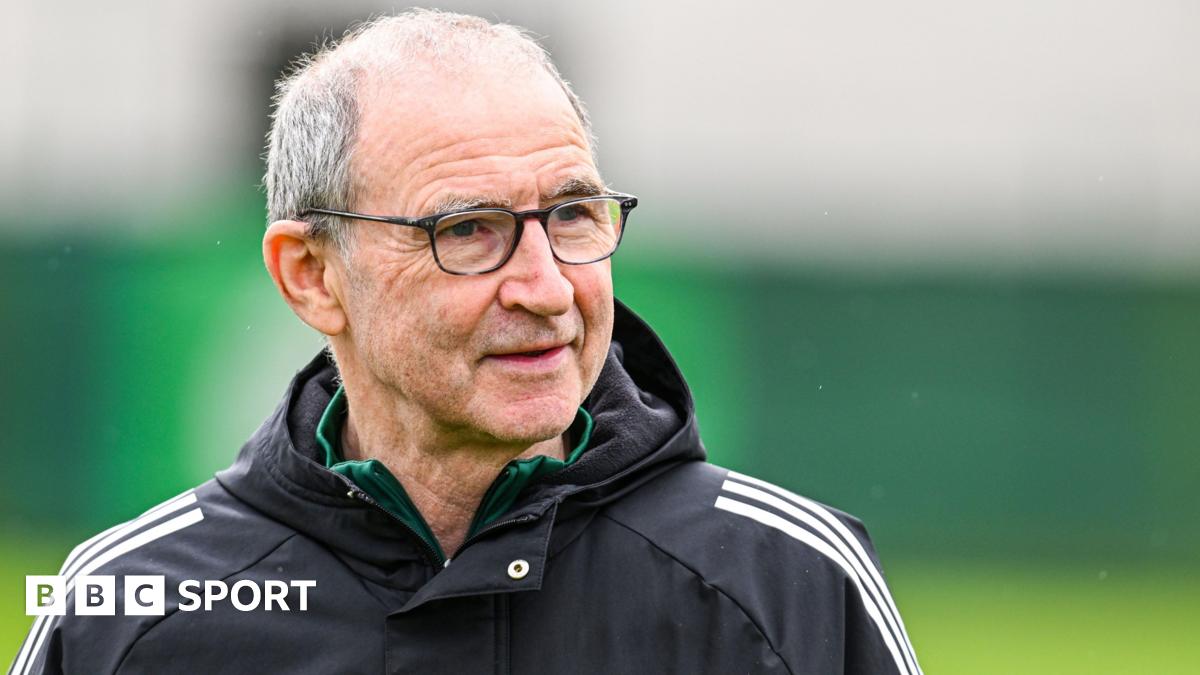
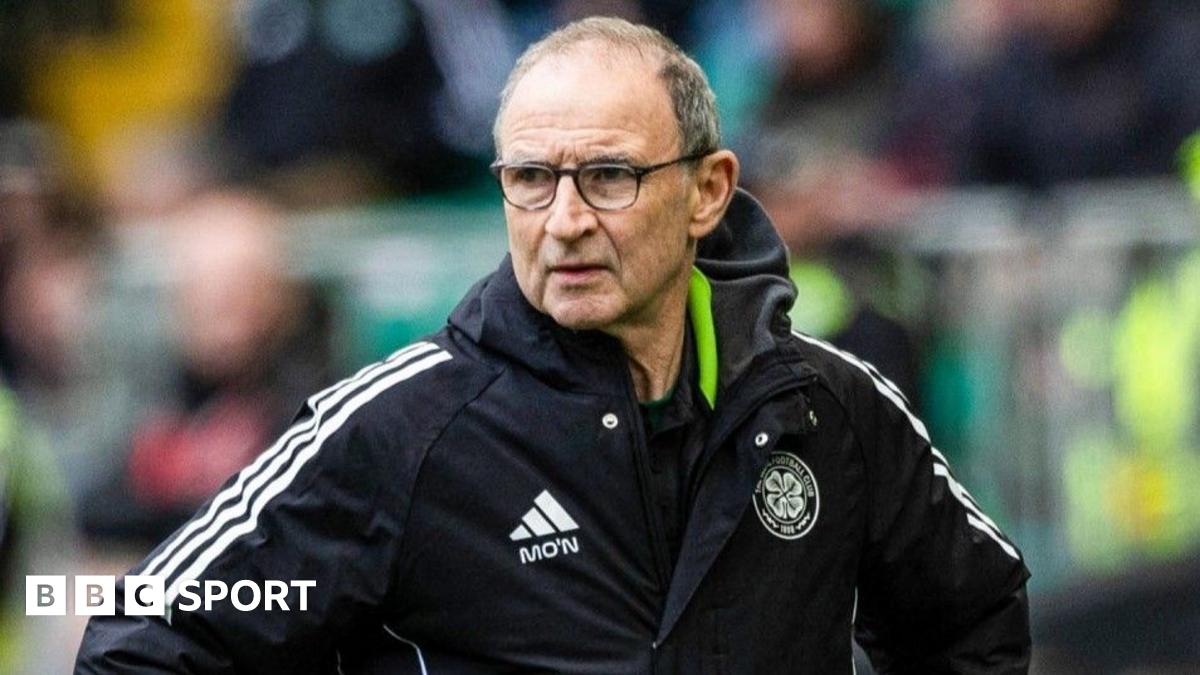
Cameron Carter-Vickers has returned to light training, signaling a potential late-season surge for the Celtic backline. Manager Martin O'Neill confirmed the center-back's progress this morning, specifically refusing to rule out a competitive return before the curtain falls on the current campaign.
This development is massive for a Celtic side currently locked in an intense fight for the Premiership title. While the recovery remains in the early, non-contact phase, the mere fact that he is back on grass is a significant pivot from his previous status of being sidelined indefinitely.
The recovery roadmap
Medical staff are taking a conservative approach. Carter-Vickers underwent an evaluation earlier this week, focusing on range-of-motion drills without structural stress on the injured area. The goal is to avoid the aggressive setbacks that often plague center-backs returning from lower-limb soft tissue issues.
Historians of the club will recall similar late-season pushes where personnel decisions defined the results. O'Neill is no stranger to gambling on fitness thresholds. However, history also cautions that rushing a defender of his caliber into high-intensity fixtures often risks long-term compounding effects.
The strategic calculus for O'Neill
Celtic faces a gauntlet of pressure points, including a trip to Easter Road to face Hibernian. As reported by the BBC, the wider fan sentiment surrounding this fixture is volatile, with external noise questioning the competitive integrity of teams in the title hunt. Carter-Vickers’ presence on the training ground serves as a silent boost to team confidence, if not direct defensive tactical application.
The defensive unit has been stretched, and the recent news regarding Arsenal’s Gabriel — who was confirmed by a Premier League oversight panel to have avoided a deserved red card for his headbutt on Erling Haaland — reminds everyone how thin the margin is between a squad being at full strength versus decimated by disciplinary or medical absence.
The risk-reward profile
Is playing him for the final stretch worth the risk? If the league title is decided by a solitary goal, having a foundational defender available for 90 minutes might outweigh the risk of injury aggravation. Conversely, a rushed return could derail his pre-season fitness and the start of the next campaign.
Criticism of the current medical monitoring is mounting among segments of the support, who argue that the club has been too opaque regarding the specific nature of his injury timeline. Relying on vague "shock comeback" narratives rather than firm recovery milestones feels like outdated sports management. Transparency would serve both the club and the supporters better than building mystery around a return that is far from guaranteed.
The next 72 hours are crucial. If he advances to team-based tactical work by the end of the week, expect the tone of the pre-match press conferences to shift significantly. If he stalls at the light jogging stage, the shutdown for summer remains the most logical directive.
Read Next
- Why Hibs fans are praying they get battered by Celtic this weekend
- Derek McInnes issues a massive war cry for Monday night at Tynecastle
- Leeds have finally silenced the doubters at Elland Road
- Michael Carrick is either United's masterstroke or their biggest gamble
- ⚽ Scottish Premiership 2025-26 — Celtic vs Rangers Hub