The bold pivot from London Colney to the Stadio Ennio Tardini
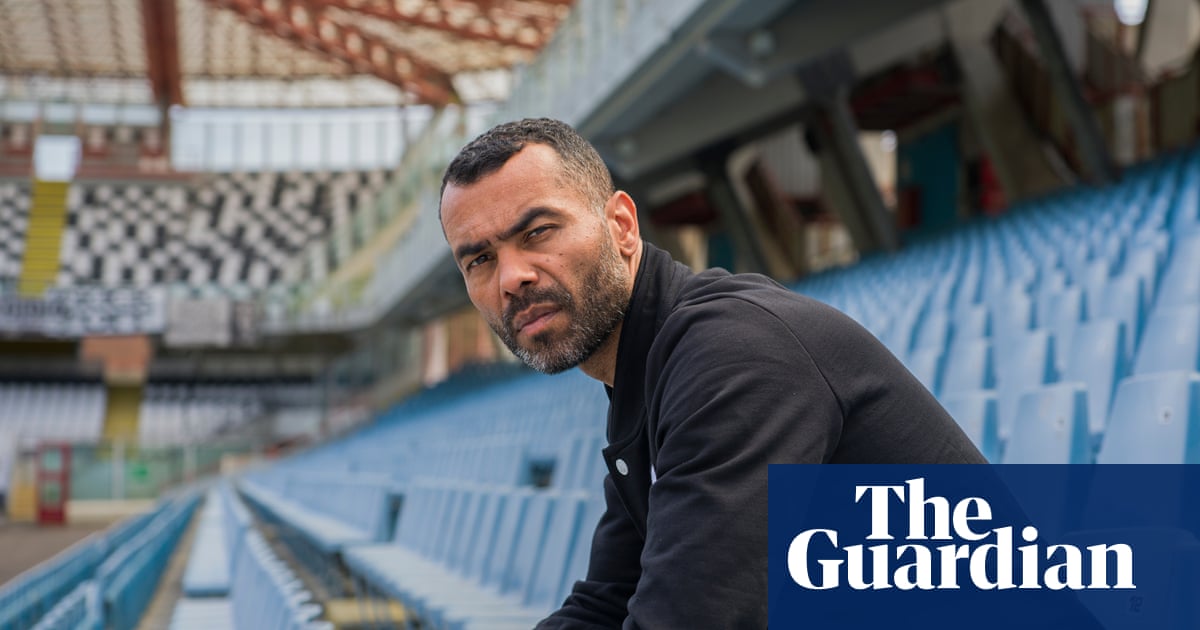
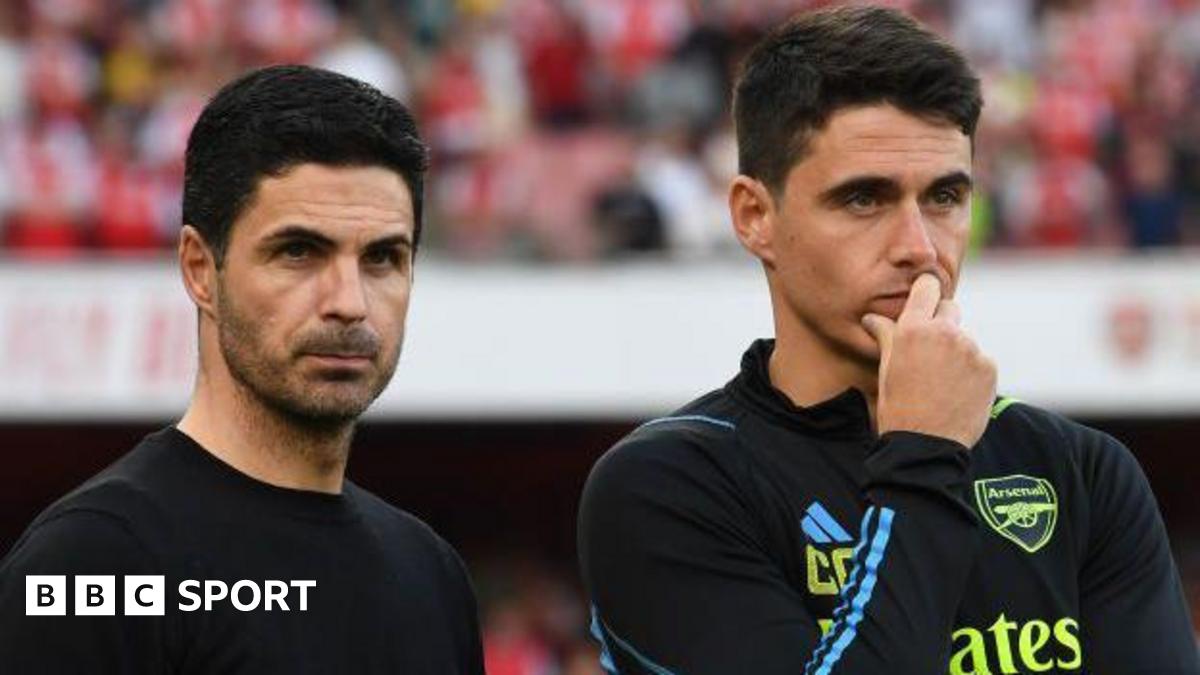
The coaching carousel usually spins in predictable circles, favoring guys who have already failed at three other clubs. That is why it is genuinely refreshing to see Carlos Cuesta ditch the comfort of being Mikel Arteta’s right-hand man to take the keys at Parma. He is officially the youngest manager in the top European leagues, and he is walking into a situation that feels like a classic high-risk, high-reward bet.
Cuesta spent years in the Arsenal bubble, absorbing the intensity that drives the Arteta regime. If you watched the Gunners during his tenure, you saw his fingerprints on the granular tactical drills. It is one thing to run a session for Bukayo Saka and Martin Odegaard, though. It is another beast entirely to stand in front of a squad that actually needs a rebuild rather than just a final tactical layer.
Tactical fingerprints and the Italian grind
Parma has been through the wringer over the last decade, from bankruptcy to the lower tiers. Cuesta is inheriting a project that requires patience, a luxury rarely afforded to anyone in Serie A. He is shifting from the Premier League structure where resources are infinite and the process is protected, to a league that eats young managers for breakfast.
As the BBC reported, Cuesta views his time working with Arteta as a formative education. He is taking the principles of rigid positional play and attempting to overlay them on a team with significantly tighter financial margins. It is ambitious. It is risky. It is exactly what modern football coaching needs more of.
The shadow cast by the Emirates
There is a harsh reality here that Cuesta needs to dodge. Every time a young coach leaves the Arsenal staff, the media treats them like a messiah destined to change the world. It is a nauseating cycle. If he misses his defensive rotations during his first six matches, the pundits will start screeching about whether he was merely a cog in the machine at London Colney.
The jump from elite assistant to head manager is rarely a straight line. Ask any assistant who moved to a mid-table side and got clobbered by a 4-4-2 setup they had no remedy for. If he can survive the first 10 matches without a complete meltdown from the local media, he might just prove that Arteta’s office was more of an incubator than a safety net.
Can Parma handle the pressure of progress?
Parma isn't a nursery for Premier League cast-offs. They have their own history and expectations. If Cuesta tries to impose too much too early, he could lose the locker room by the time the leaves start turning in October. He has to balance his tactical vision with the specific grit required to survive an Italian winter.
I am genuinely curious if he has the persona to be a leader, not just a drill instructor. Coaching is 30 percent diagrams on a whiteboard and 70 percent convincing twenty-five millionaires to run through a wall for you. We are going to find out real fast if he spent his time at Arsenal watching how the players tick or just how the ball moves.
The verdict on the move
Taking this job at his age is a massive flex. Most guys would camp out in a cushy technical director role or wait for a mid-tier Premier League gig to open up in February. He is running straight into the fire. Whether that makes him a tactical pioneer or a cautionary tale, he has my attention.
He is leaning into the chaos. With the World Cup kicking off in 6 days, the eyes of the global game are elsewhere, which might be the best possible cover for a young coach to find his footing. If Parma shows a distinct shape by July, he’s already ahead of the curve. If not, the Twitter mentions will be relentless.