The meat grinder of Italian football
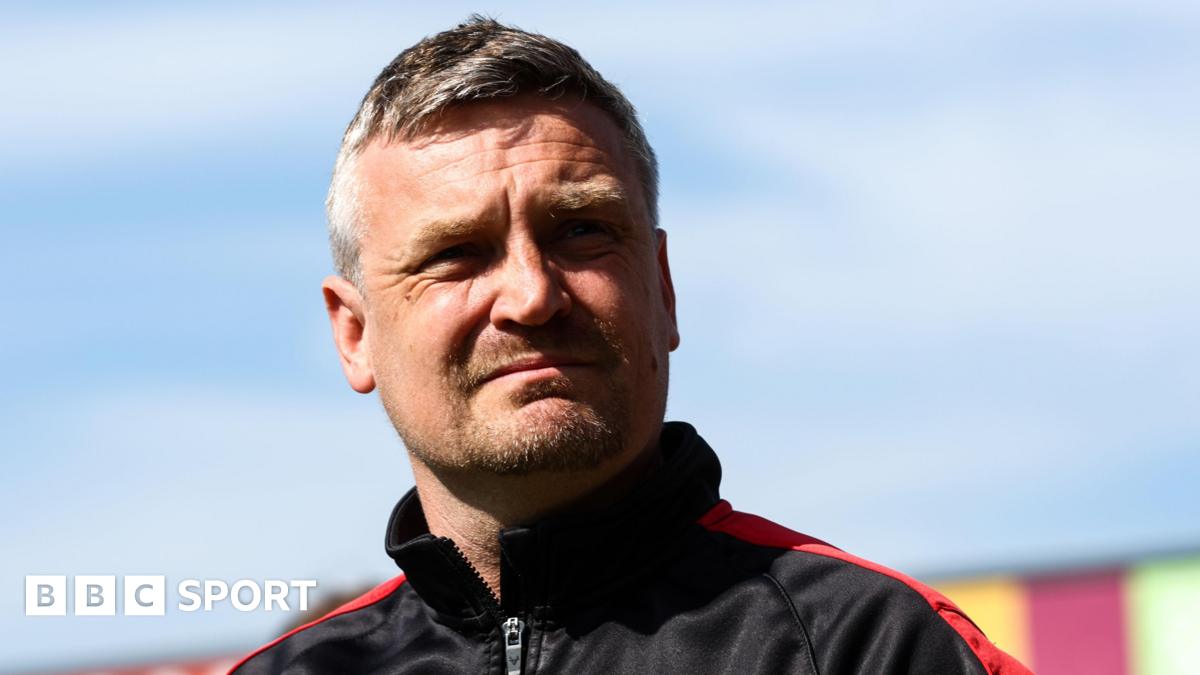
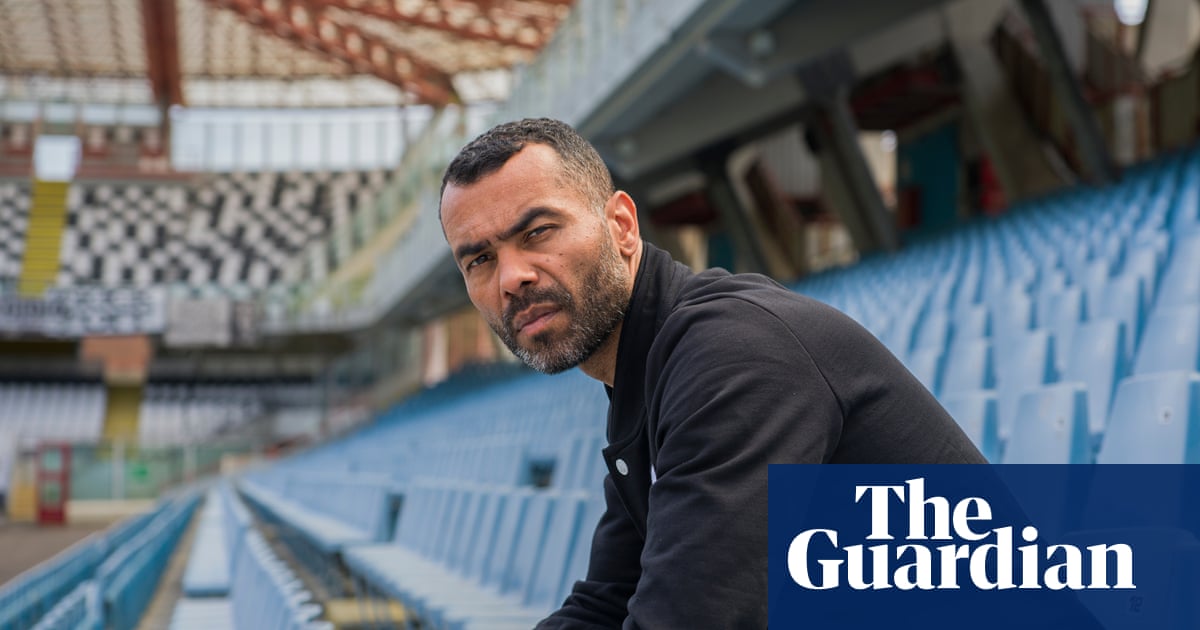
Ashley Cole is officially a manager. After years of lurking in the shadows of the dugout, carrying cones for Frank Lampard and observing Lee Carsley with the England U21s, the former Arsenal and Chelsea icon has taken the top job at Serie B side Cesena. The timing is fascinating. We are entering the chaotic final stretch of the 2025-26 season.
Cesena are chasing the playoffs. They are desperately trying to claw their way back into Serie A. Cole’s appointment is a massive gamble by the ownership. They are betting that a high-profile name can galvanize a squad that has looked mentally exhausted over the last month.
As The Guardian reported this morning, the move to Italy is a massive lifestyle shift. It has been a long journey for Cole, and his wife, Sharon Canu, to finally land this head coaching opportunity. But the romanticism of moving to the Emilia-Romagna region will quickly fade when the reality of the football sets in. Cole understands the immediate challenge on the pitch, stating clearly that "the players have to trust what I’m asking them to do."
But demanding trust and earning it are two completely different things. That is especially true in the second division of Italian football. This league eats naive foreign coaches for breakfast.
A tactical education of extremes
To understand why this is such a dangerous job for a rookie coach, look at Serie B. This is not the Eredivisie, where naive defending is forgiven if you score four goals. It is not the Championship, where sheer physical intensity can sometimes override tactical flaws.
Serie B is an attritional nightmare. Managers like Eugenio Corini and Rolando Maran have built entire careers here. They suffocate games, slow down the tempo, and wait for the opposition to make a single mistake.
Cesena’s squad is solid, but not spectacularly gifted. They rely heavily on structured build-up play. Cole, meanwhile, has been exposed to wildly different coaching philosophies throughout his education.
At Everton and Chelsea under Lampard, the tactical structure was notoriously loose. Pressing triggers were disjointed, leaving gaping holes between the midfield and the defensive line. The midfield spacing was often disastrous, leading to transition goals on a weekly basis. Opposing teams routinely bypassed their press with a single vertical pass. Cole was on the staff trying to fix those defensive leaks, but the underlying system was structurally flawed.
With the England U21s, things were much more controlled. They won the 2023 European Championship without conceding a single goal. But international youth football is a sterile environment. You have the best players, time on the ball, and opponents who are still learning the game.
Going to the Stadio Dino Manuzzi to manage a must-win game in May is a different sport entirely.
The curse of the elite player
There is a fundamental issue that plagues legendary players when they step into management. They expect their players to see the game exactly the way they did.
Thierry Henry struggled at Monaco because he could not comprehend why his forwards failed to execute simple finishes. Gary Neville failed at Valencia because his tactical demands were too complex for a squad devoid of confidence.
Cole was arguably the greatest left-back in the history of the Premier League. He possessed an innate understanding of when to overlap, when to hold his position, and how to show a winger onto their weaker foot. His football IQ was off the charts.
The defenders he is managing at Cesena do not have that IQ. If Cole asks his full-backs to invert into midfield to create overloads, he is asking them to process information at a speed they are not used to. Inverting full-backs is a staple of modern progressive coaching, but it requires elite technical security.
When a Serie B wing-back steps inside and loses the ball, the punishment is swift. Teams in this division transition aggressively. A simple turnover becomes a high-quality chance in seconds.
Cole will have to simplify his demands. If he tries to implement a complex positional play system in the middle of a playoff race, Cesena will implode.
Formation headaches and the language barrier
Cesena currently sit just inside the playoff spots. They boast a decent defensive record, conceding just over 1.1 goals per game. Their main issue has been scoring.
They usually line up in a 3-5-2. They rely on their wing-backs to provide the width while three central midfielders grind down the opposition. Does Cole stick with the back three, or does he immediately tear it up and move to a back four?
Throughout his playing career, Cole operated almost exclusively in a back four. Switching to a 4-2-3-1 right now would be suicidal. You cannot reprogram a defense with less than a month left in the regular season. He needs to be pragmatic.
Then there is the communication problem. Cole is an Englishman in Italy. In a league where defensive organization requires split-second verbal cues, relying on a translator is a severe handicap.
When you are trying to set a pressing trap on the edge of the final third, you cannot afford a five-second delay. Cole will have to rely heavily on the existing coaching setup, which immediately dilutes his authority. If the players sense the manager is not fully in control of training sessions, they will switch off.
The prediction: Heartbreak and a short leash
Let’s cut to the chase. Will Ashley Cole lead Cesena to Serie A? Absolutely not. Will he even survive the calendar year in Italy? I highly doubt it.
The new manager bounce is a real phenomenon. Cole’s sheer presence might be enough to secure a few narrow 1-0 victories against lower-half opposition. That should be enough to confirm their playoff spot.
They will likely scrape into the preliminary playoff round. That is exactly where the fairy tale ends.
In a knockout scenario against a hardened Serie B side like Palermo or Cremonese, tactical experience is everything. Cesena will come up against a low block. They will huff and puff, dominate possession, and register 15 shots from outside the box without penetrating the penalty area.
Cole will stand on the touchline, frustrated that his wingers cannot beat their man one-on-one. The game will descend into a war of attrition, marked by tactical fouls and constant stoppages. Then, around the 82nd minute, a lapse in concentration from a tired center-back will hand the opposition a cheap corner.
A near-post flick, a tap-in at the back post, and Cesena’s season is over. They will walk off the pitch having dominated the ball but lost the war.
The real test comes next season. Italian clubs are notoriously impatient. If Cesena fail in the playoffs, the board will demand automatic promotion next year.
Cole will be given a modest budget. He will inevitably try to bring in a couple of young English players on loan, calling in favors from his Chelsea connections. Those players will struggle to adapt to the tactical rigidity of the league.
By late October 2026, Cesena will be stuck in mid-table. They will be drawing too many games and looking disjointed in possession. The fans at the Curva Mare will lose patience.
The Italian media is brutal to foreign managers who fail to adapt. Just ask Frank de Boer or Patrick Vieira. Once the press turns on you, the dressing room usually follows.
Cole will be sacked before the winter break, likely leaving the club worse off than when he arrived. Management is not about what you did on the pitch. It is about communicating ideas to players who are not as good as you were. Cole is walking into a trap, and unfortunately for Cesena, he does not have the tactical tools to disarm it.