The financial weight of intermediary payments
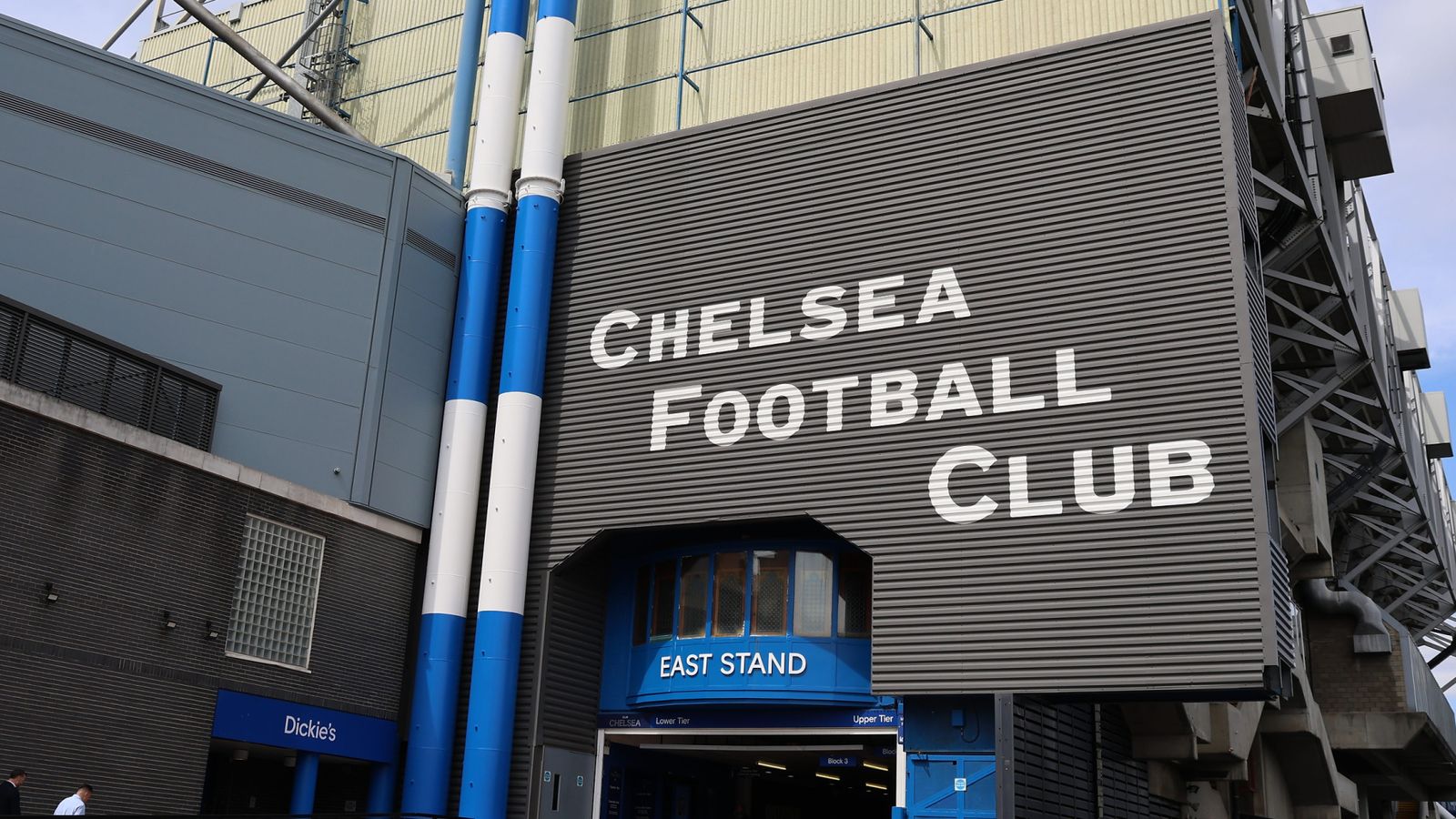
The latest figures from the FIGC and the Premier League paint a brutal picture of modern club economics. Chelsea currently leads the English landscape, having splurged £65 million on agent fees over the last twelve months. This total is nearly double that of any other Premier League side, signaling an aggressive, high-churn recruitment policy that continues to invite scrutiny.
Reports from the Daily Mail confirm the sheer scale of the expenditure. For a club aiming to return to the summit of domestic football, the high reliance on external intermediaries suggests a lack of internal squad stability. It forces the question of whether this outlay translates to actual tactical output on the pitch.
Serie A’s divergent path
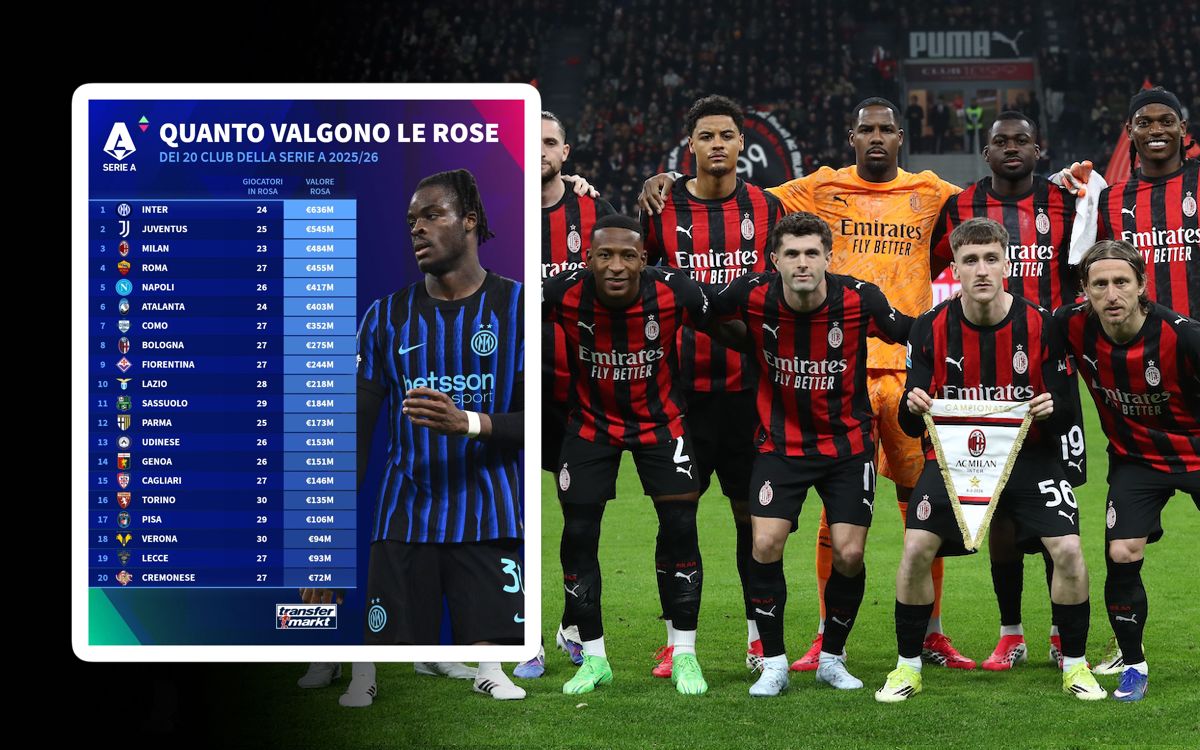
In Italy, the situation mirror-images the English excess but with tighter margins. The FIGC recently published their breakdown of agent spending, showing a distinct gap between the top-tier clubs and the provincial sides. Milan, while managing their squad value according to recent Transfermarkt updates, remains tethered to these rising costs.
As detailed by Sempre Milan, the club must balance these outgoing payments against the need to refresh a squad preparing for European campaigns. The sustainability of such spending is becoming a central point of debate among the league's sporting directors.
Tactical ramifications for recruitment
High agent fees often correlate with rapid turnover. When a club spends heavily on commissions, they often prioritize short-term fixes over developing a coherent playing style. At Chelsea, this has resulted in a crowded dressing room where tactical identity remains fluid at best. Players frequently arrive with massive expectations only to find themselves outside the match-day XI within months.
Similarly, Italian clubs face the difficulty of navigating a market where wage bills are capped by revenue stagnation. Every million spent on an agent is money removed from the wage budget or scouting department. It creates a ceiling for growth that most clubs struggle to break.
The danger of the commission model
The reliance on specific agents is a double-edged sword. While it grants early access to top-tier talent, it leaves the club vulnerable to the demands of a few powerful stakeholders. If a deal stalls, the club has already sunk significant capital before the player has even completed a medical.
Furthermore, these costs are hidden from the casual fan until the annual reports hit the ledger. Watching a club pay out millions in fees while struggling to secure a top-four finish in the Premier League or a Champions League spot in Serie A highlights an objective failure in resource allocation.
Looking ahead to the summer market
Probability for meaningful reform remains low. Agents hold considerable leverage, and clubs are too competitive to risk losing a target to a rival over commission disputes. Chelsea will likely continue this trend until a major sporting failure forces a pivot to a more sustainable wage-and-commission structure.
With the 2026 World Cup approaching on June 11, the pre-tournament window will test whether clubs have learned their lesson. Expect another flurry of high-fee activity once the season concludes on May 28. If the current trajectory holds, expect more record-breaking agent payouts that do little to improve on-field performances.
Read Next
- Chelsea's agent spending spree suggests a chaotic summer transfer window
- Sam Kerr's statistical decline makes for a difficult Chelsea decision
- Chelsea are setting themselves on fire while Arsenal chase down the title
- Milan's injury crisis is finally lifting but the bench problem remains
- ⚽ Serie A 2025-26 — Title Race Hub (Inter, Napoli, Juve, Milan)