Chelsea’s thin margins at the business end
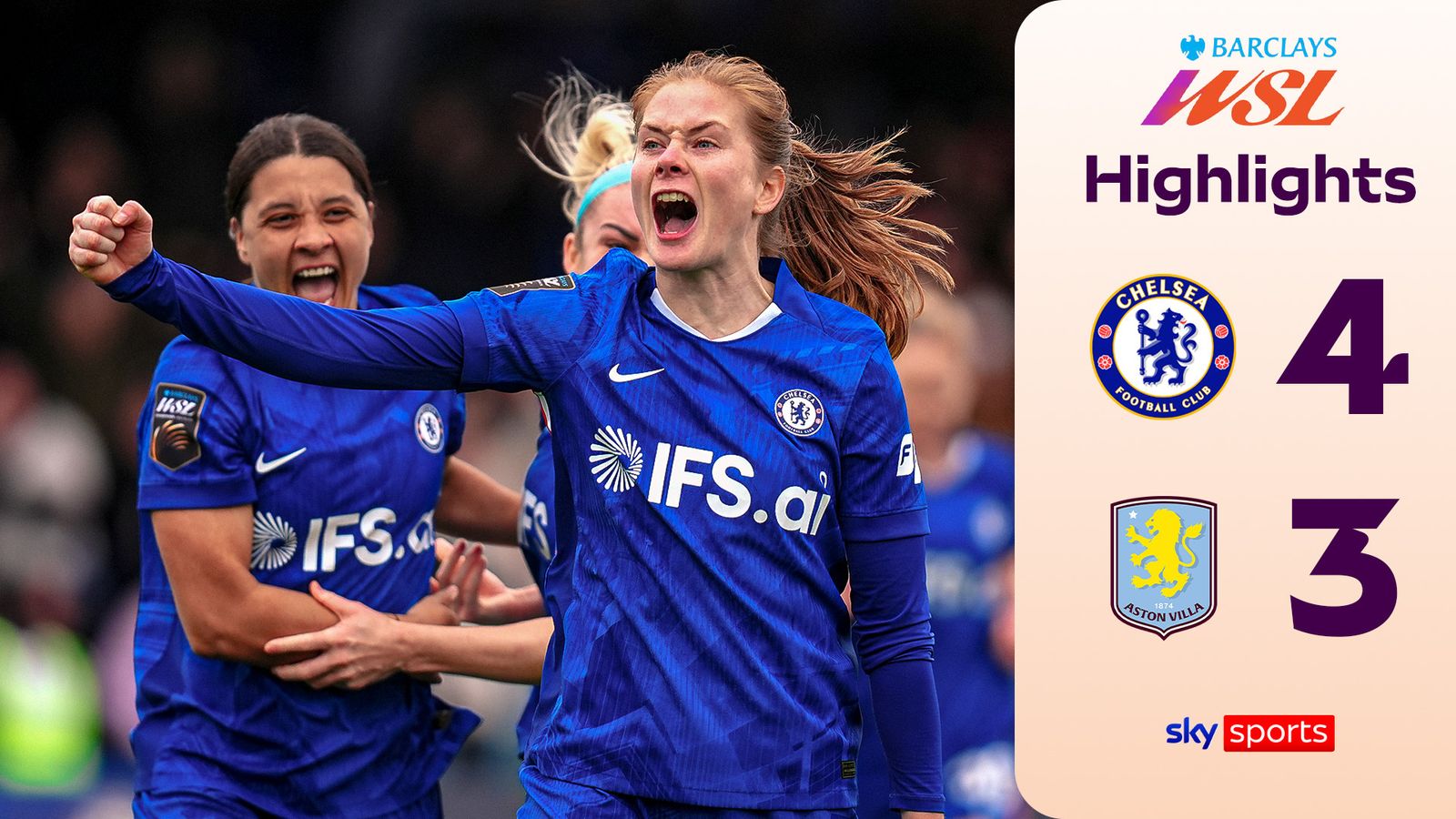
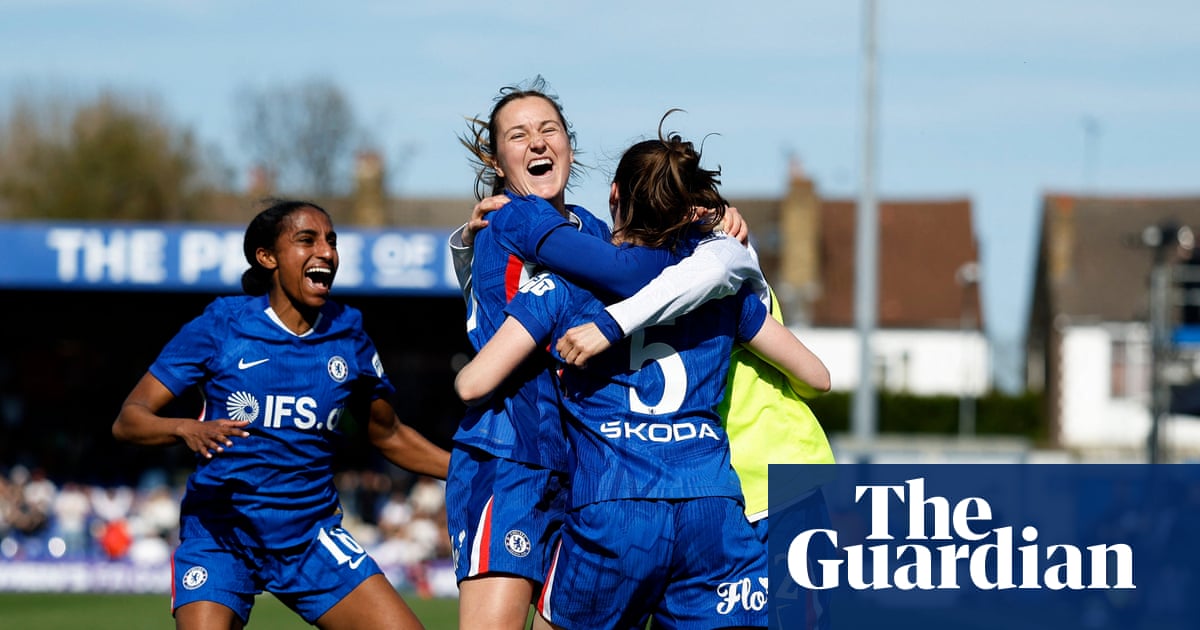
Chelsea booked their ticket to the FA Cup semi-finals on Sunday following a 2-1 victory over Tottenham. Veerle Buurman provided the heroics with a late winner, but the victory arrived with a taxing physical toll. Sonia Bompastor’s squad is currently operating with a depleted rotation that threatened to derail their domestic ambitions during a high-stakes second half.
While the Blues moved forward, the side remains hampered by ongoing fitness concerns. The intensity of the 90-minute clash at Kingsmeadow highlighted a recurring issue for Bompastor: managing a squad that is struggling to stay healthy through the final stretch. The manager has been forced into constant defensive shuffling, which prevents her from establishing a consistent backline rhythm.
The medical department remains under heavy scrutiny
The current injury rotation is not merely an inconvenience; it represents a significant tactical limitation. Bompastor has relied on tactical flexibility to overcome personnel gaps, yet the recurring nature of these absences suggests a failure in load management. When key starters are relegated to the treatment room for extended periods, the drop-off in defensive stability is immediate.
We have seen these cycles before at top clubs. Heavy schedules in the Champions League combined with domestic cup runs often lead to soft-tissue injuries during April. Historically, teams that fail to rotate effectively during March find their benches barren when the high-leverage fixtures arrive in late spring. Chelsea is currently living this reality in real-time, relying on individual brilliance to compensate for collective fatigue.
Tactical implications of a shortened bench
The strategic stakes are massive. With the squad depth tested, Bompastor must now navigate the return to league play. Defending two titles simultaneously requires 100 percent fitness, a luxury this group has not enjoyed for three consecutive weeks. If the medical staff cannot stabilize the roster, the reliance on high-impact individual moments like Buurman’s strike will become a structural liability rather than a reliable strategy.
Critics point to the lack of integration for younger academy prospects during the mid-season as the primary driver of this current crisis. By over-relying on a core group of starters throughout January and February, the coaching staff left themselves zero margin for error. Now, in the heat of April, the players who should be fresh are instead nursing recurring issues that limit their minutes under pressure.
Comparing historical trends in the Women’s Super League
Other clubs have navigated similar injury spikes by utilizing mid-season loan returns or tactical shifts to low-block defensive structures. Chelsea has stubbornly stuck to an aggressive, high-pressing identity even as the legs have grown heavy. This commitment is admirable but mathematically dangerous as the season reaches its final 52 days before the European climax.
As The Guardian reported, the result against Tottenham was proof of character, yet character rarely compensates for long-term physiological fatigue. Bompastor needs to find a way to rest her primary creative forces before the semi-final fixtures, or she risks a total physical collapse. The medical department’s inability to clear long-standing doubts suggests that the existing injuries are more than just minor knocks.
Impact on the upcoming calendar
The timing could not be more inconvenient. With pivotal league matches scheduled between the cup rounds, every minute played by a recovering athlete carries an elevated risk of re-injury. The club's reliance on high-intensity output creates a feedback loop where physical output drives results, but the lack of recovery time inhibits the body’s repair cycle.
Looking ahead to the upcoming international break or mid-week gaps, the priority must be stabilization. If the team persists with the current high-octane physical output without addressing the underlying fatigue, the probability of a major injury to a starting central defender within the next 14 days is statistically high. The medical team is effectively forced to trade short-term availability for long-term health, a bargain that rarely pays off in professional football.
The fans will focus on the scoreline, but the smart money is tracking the recovery times of those currently listed as doubtful. If the rotation remains this thin, the path to a double trophy haul will become increasingly narrow. Chelsea remains the team to beat, but the margin between progress and disappointment has never been smaller.
Read Next
- Chelsea’s late-game rescue shows why titles are won in injury time
- West Ham's goalkeeper crisis deepens after FA Cup heartbreak
- Chelsea and Liverpool are rewriting the FA Cup narrative
- Leeds United's FA Cup run is a statistical anomaly
- 🏢 FA Cup Semi-Finals 2026 — Wembley (Apr 18–19) Hub
- 🏆 FA Cup Final 2026 — May 16, Wembley
- ⚡ UCL Semi-Finals 2026 — Full Coverage Hub