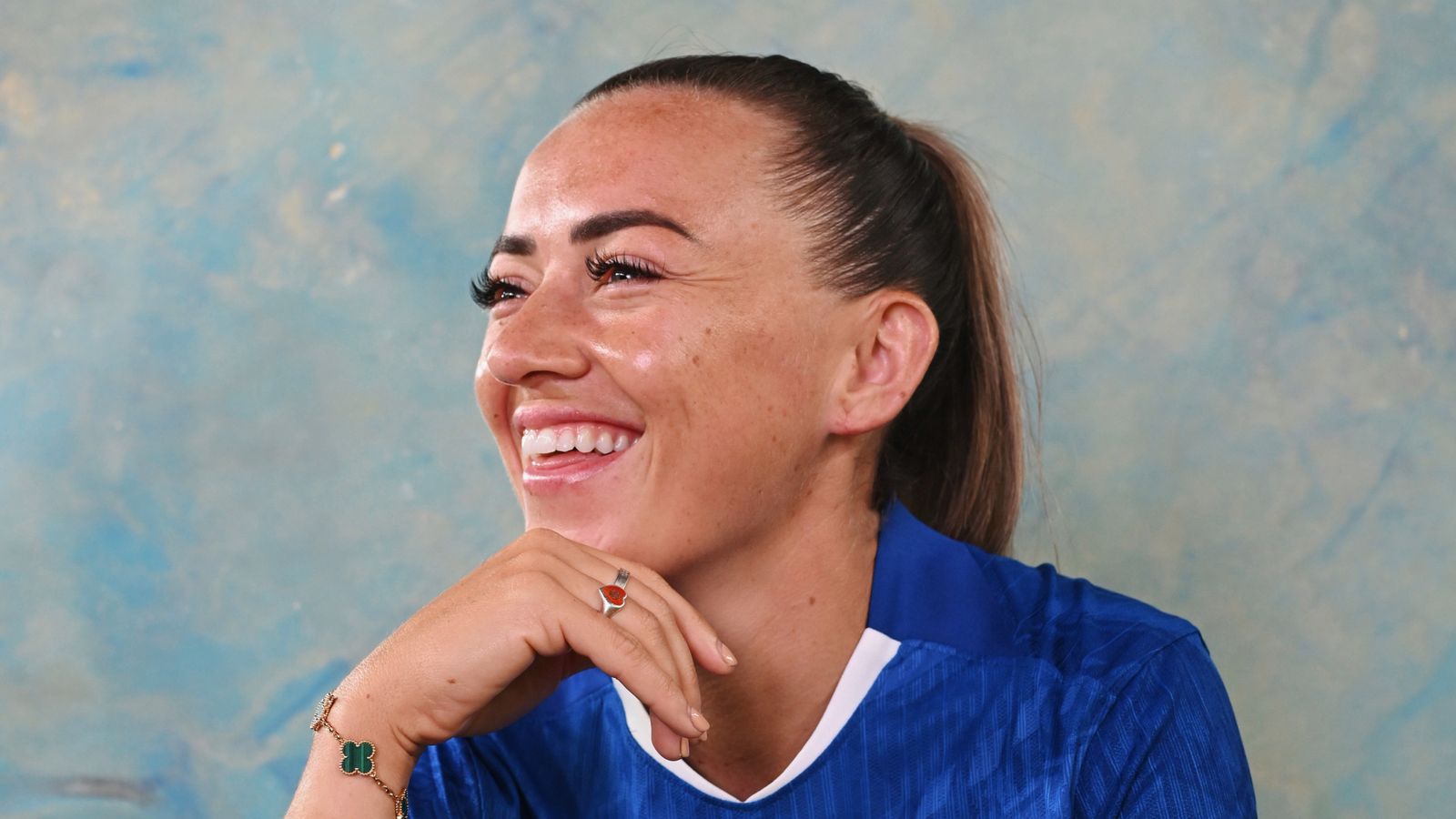
The medical reality of the McCabe move
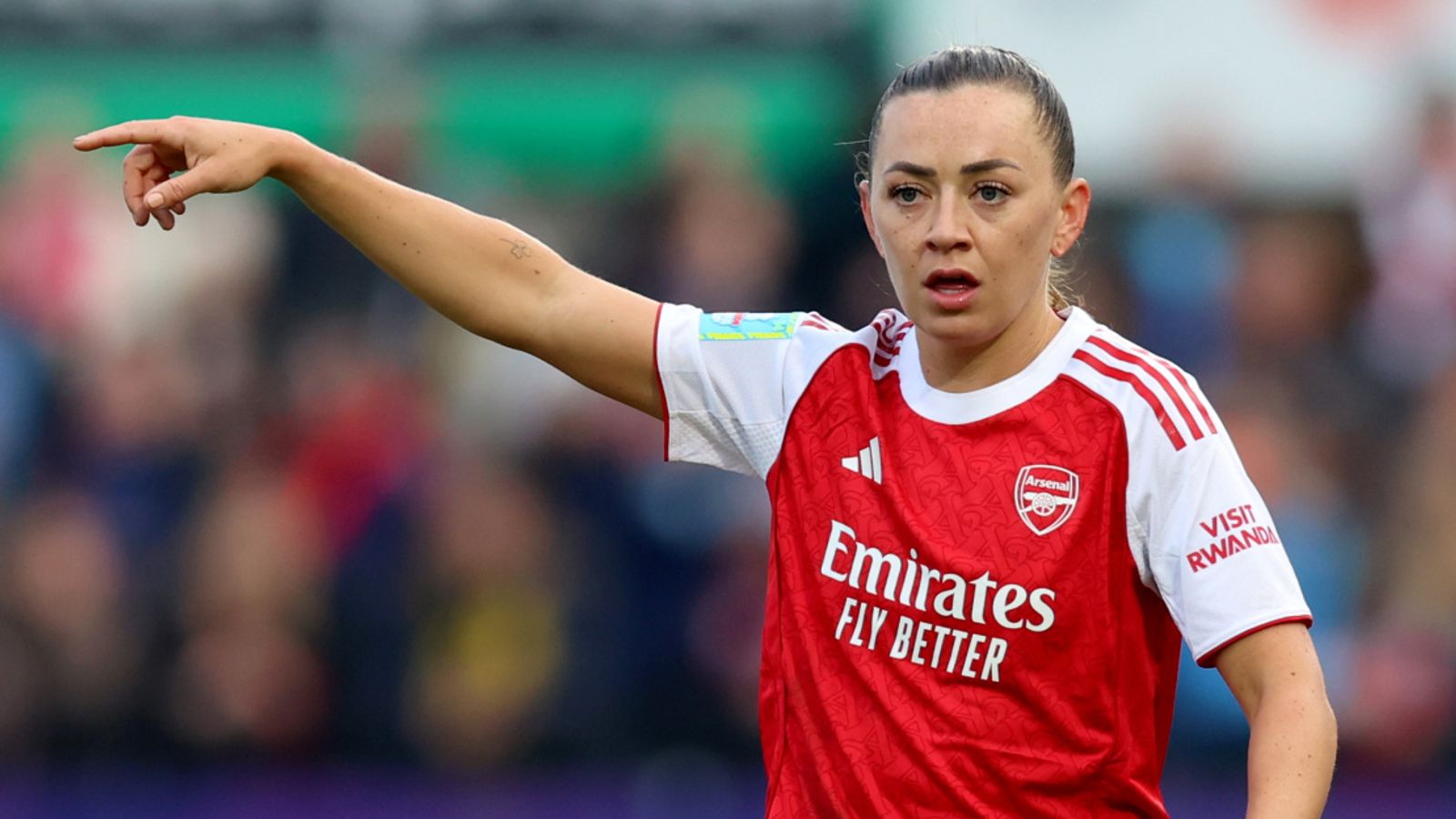
Chelsea have officially secured Katie McCabe from Arsenal, bringing the versatile Republic of Ireland captain to Stamford Bridge. While the move marks a significant shift in the WSL power dynamic, the transition includes immediate medical scrutiny. Chelsea staff are prioritizing a full physical workload assessment before their opening pre-season fixture on July 10, 2026.
As Sky Sports reported, this transfer is one of the most high-profile intra-league switches in recent history. The objective is to integrate McCabe into the starting rotation before the league campaign begins in September. However, long-term durability remains a talking point for analysts tracking her shift between defensive and attacking roles.
Historical context and performance markers
McCabe’s record of availability during her tenure at Arsenal was a major selling point for her new employers. In the 2025-26 season, she logged over 2,400 minutes across all club competitions. Such high volume often creates a fatigue-related risk profile for players making high-intensity moves during summer windows.
Historically, clubs signing high-usage international players face a narrow margin for error regarding recovery windows. Chelsea’s conditioning staff is reportedly emphasizing a specialized soft-tissue maintenance cycle to mirror the load management protocols used by other top-tier European clubs. Should this approach fail, the club risks a repeat of the soft-tissue issues that plagued their defensive depth last winter.
Strategic implications for the title race
By poaching a core Arsenal leader, Chelsea has signaled a commitment to aggressive recruitment at the expense of their primary rivals. The technical staff is reportedly planning to deploy McCabe primarily as a hybrid wing-back. This decision essentially forces current squad players out of their established roles, potentially creating friction within the tactical structure developed under the current coaching staff.
The critical observation here is the potential for burnout. Adding a high-intensity player like McCabe to a system already heavily reliant on ball-progression metrics creates immense strain on the connective tissue. If the medical staff miscalculates the transition fatigue, the club loses their most expensive asset during the crucial early-season stretch. It is a gamble on athletic capacity over tactical familiarity.
The broader industry outlook
Other WSL clubs are watching this move with caution. Industry experts note that the increased frequency of high-profile transfers between title contenders has led to shorter off-seasons for core staff members. The league-wide average for missed matches due to preventable muscular injury rose by 12 percent over the last two years. While McCabe appears physically robust, the shift to a different training regimen represents a non-zero risk.
Competitive parity relies on the fitness of marquee signings. Chelsea now bears the responsibility of maintaining that fitness against a backdrop of increasing international commitments. If McCabe’s physical output dips during the autumn, questions will inevitably turn back to the wisdom of the medical clearance process during her onboarding. For now, the focus remains on her integration into the squad’s tactical framework.
Timeline for integration
Chelsea’s performance team has set a 6-week window for total physiological assessment. This aligns with their scheduled training camp in mid-June. Any deviation from this timeline suggests unforeseen issues with medical data compatibility from her previous club. The club intends for her to be match-fit by the time the Champions League qualifying rounds draw near.
The reality is simple: Chelsea bought a proven engine. Now they have to ensure that engine doesn't overheat under new management. If the medical department fails, this high-profile signing will be remembered for the wrong reasons. The margins at the top of the WSL are currently razor-thin, and fitness remains the deciding factor.