Tier 1 Source: The Deal is Done
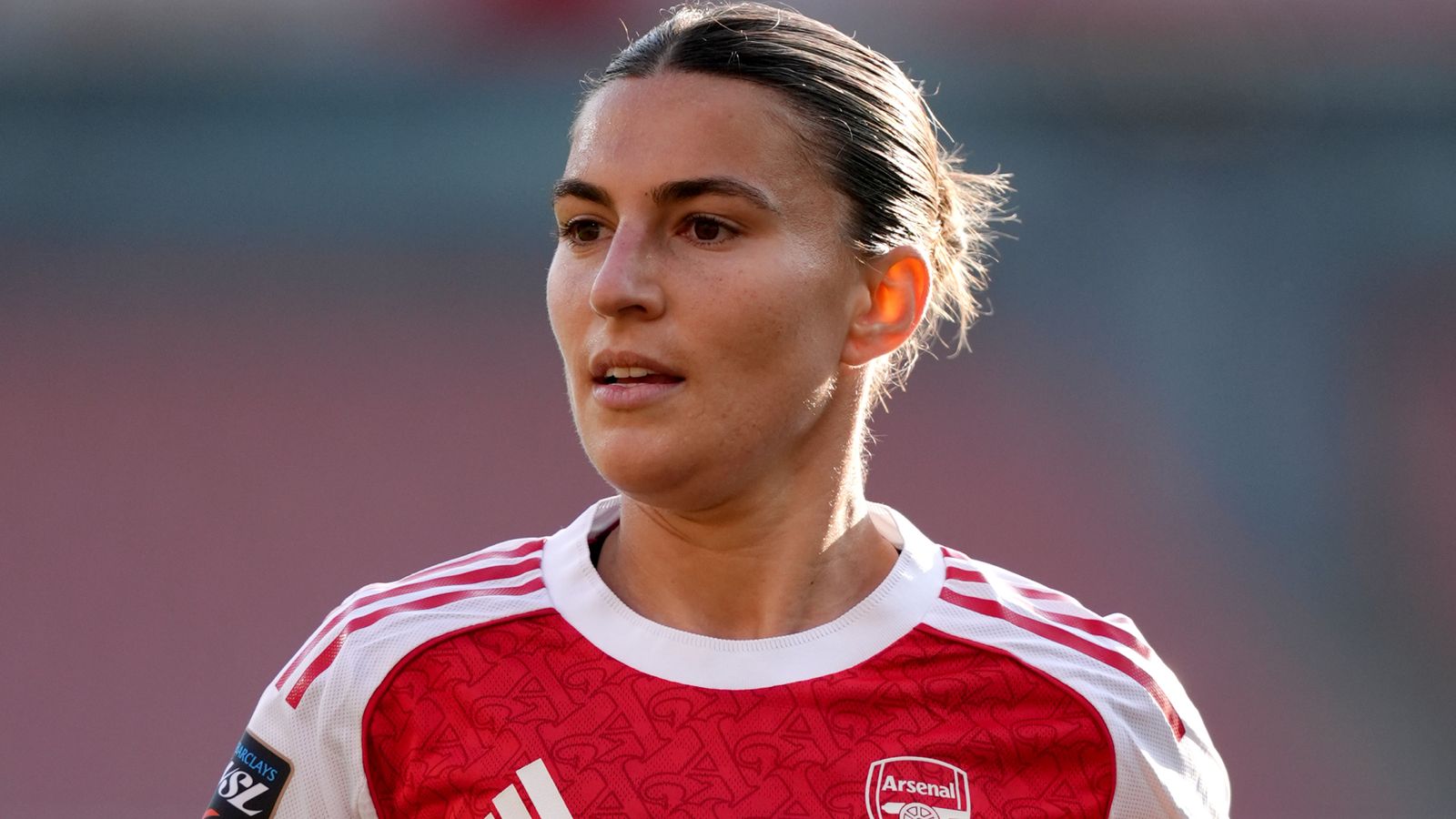
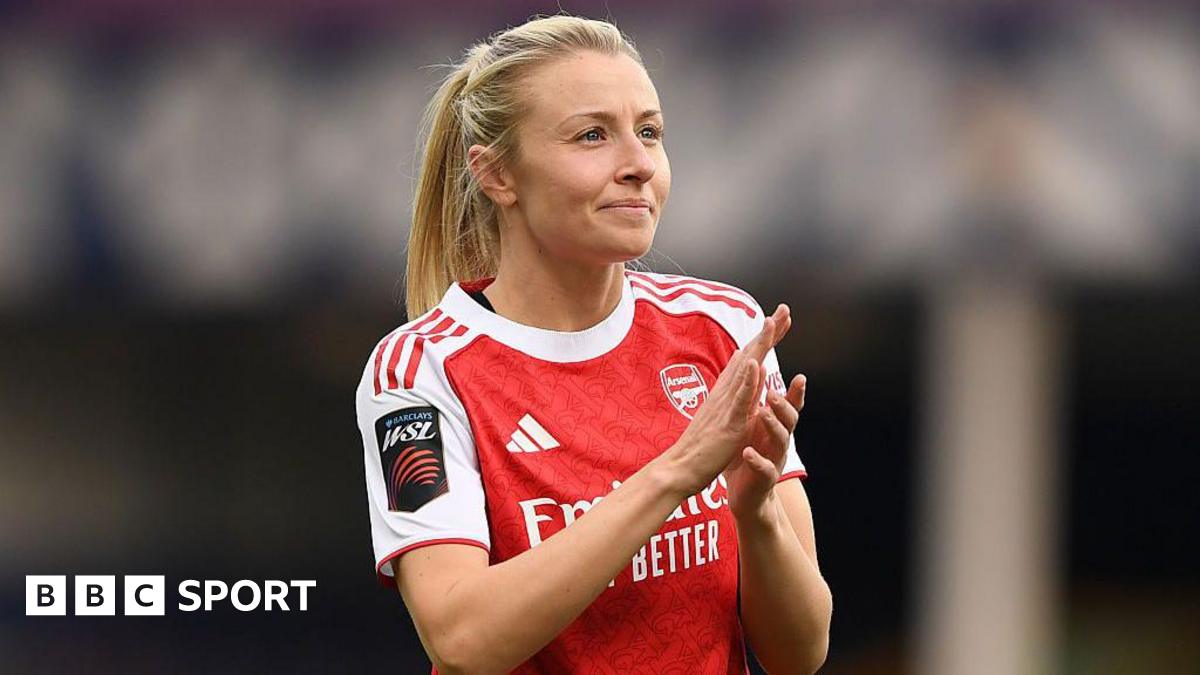
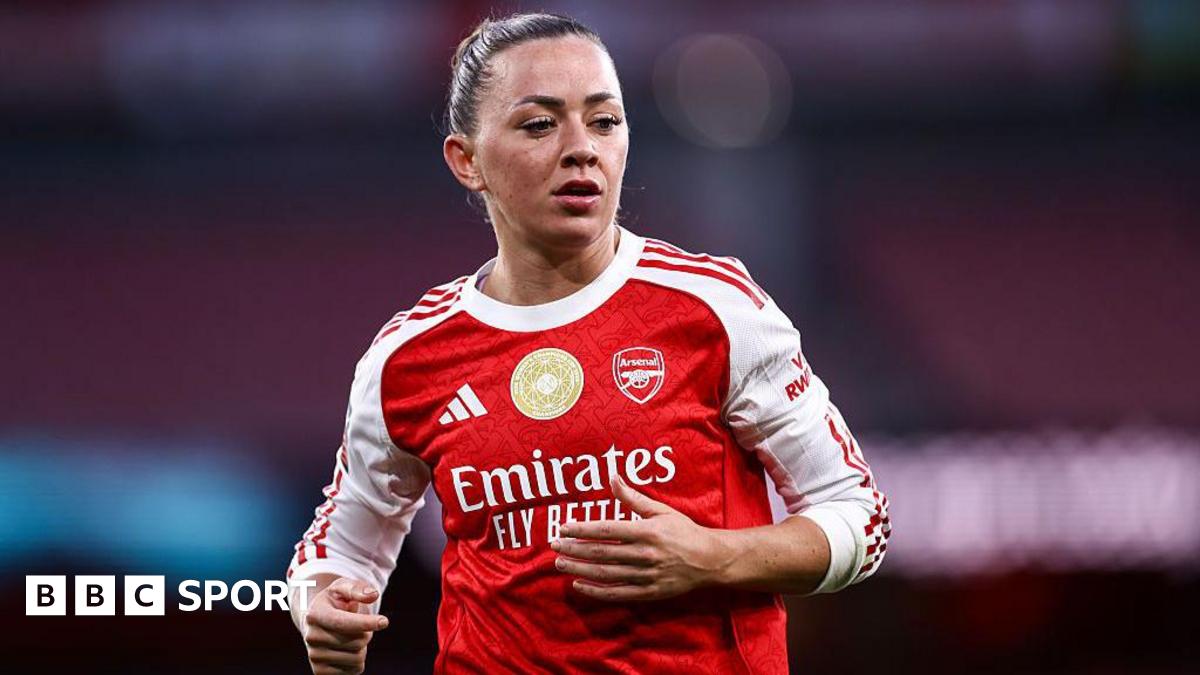
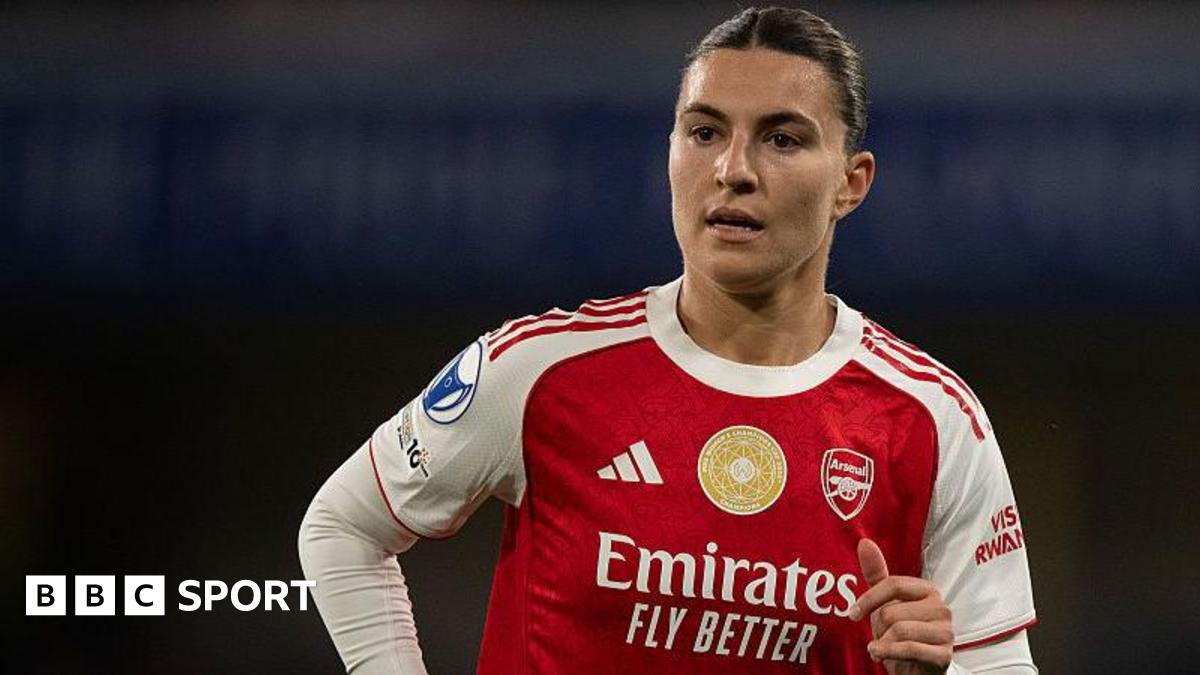
The BBC has officially reported that Arsenal and Australia defender Steph Catley signed a new contract with the Women's Super League club. For Arsenal supporters, this represents a significant sigh of relief.
Entering the final weeks of the 2026 season, securing the core group of veterans prevents a massive summer rebuild. The announcement comes directly via a Tier 1 source, making this an absolute certainty.
The exact terms of the deal remain undisclosed. Neither the contract length nor the wage figures were published in the initial release. However, keeping a player of Catley's caliber usually requires a competitive financial package, given the rising wage structures across the WSL.
The Tactical Value of a Versatile Defender
Catley has been a fixture in North London since her arrival, providing stability on the left flank. In modern football, full-backs are expected to be primary creators. Her profile fits exactly what Arsenal requires.
She is not just a touchline-hugging defender. Her ability to tuck inside, dictate tempo from deeper areas, and overlap with precision makes her a tactical linchpin.
Arsenal's offensive shape heavily relies on asymmetrical full-back movement. When the right-back stays conservative, Catley is given the license to bomb forward. Her delivery from the left channel is among the most consistent in the division.
Beyond her attacking output, her versatility has saved Arsenal multiple times. When injuries devastated the center-back depth chart over the past couple of seasons, Catley shifted inside. Playing as a left-sided center-back, she utilized her reading of the game to perfection.
Intelligence Over Athleticism
Let us consider the evolution of the full-back role in the WSL over the last five years. It is no longer enough to be a solid one-on-one defender. Teams press higher and with more intensity.
Defenders must be press-resistant, and Catley excels in these tight spaces. When an opposing winger attempts to trap her against the touchline, she rarely panics. She shields the ball and finds a smart pass into the central midfield.
That press resistance is essential for Arsenal's build-up play. If a team cannot build from the back, they cannot control the game. Catley's composure allows the team to invite pressure, pulling the opposition out of their shape, before bypassing them with a crisp, vertical pass.
While she may not have elite recovery speed, she compensates with intelligence. She reads the game beautifully, anticipating passing lanes and stepping up for interceptions rather than relying on desperate sliding tackles.
She forces attackers outside, denying them access to the dangerous central areas. This intelligence also makes her an excellent communicator on the pitch, often seen directing the defensive line and ensuring the spacing is correct.
The Downside: Age and Transition Defending
However, any honest assessment of this extension must address the risks. Catley is now 32 years old, with a history of soft-tissue injuries. Relying on her to play ninety minutes twice a week is a dangerous game.
Arsenal's medical staff has struggled with managing player loads in recent seasons. Catley has occasionally looked fatigued against high-pressing, pacey wingers. Her recovery speed is not what it was three years ago.
There have been matches where top-tier WSL wingers have isolated her in transition. When Arsenal commits bodies forward, Catley can be caught up the pitch. If the defensive midfield fails to cover the space behind her, opponents exploit that left channel.
It happened several times this season against elite opposition. The club must view her new contract as a piece of the puzzle, not an excuse to ignore succession planning. They still need a younger, faster understudy at the left-back position.
The Australian Connection
The international connection at Arsenal also cannot be ignored. Catley is a vice-captain for the Matildas, and her leadership extends into the Arsenal dressing room. Having a strong contingent of international teammates fosters a sense of familiarity.
Her link-up play with fellow Australians, particularly Caitlin Foord on the left wing, relies on years of shared repetitions. You can see that chemistry every time they play together.
Foord will drop into the half-space, dragging the opposing full-back with her. Catley immediately recognizes the trigger and makes the overlapping run. It is a scripted, rehearsed movement.
Yet, it remains incredibly difficult to stop. Breaking up that partnership would have forced Arsenal to rebuild their entire left-sided attacking dynamic.
Leadership During Defensive Crises
We also have to consider the dressing room dynamics. In a season that has seen its fair share of tactical adjustments and frustrating dropped points, having steady voices keeps a squad grounded.
She understands the demands of playing for a club with Arsenal's history and expectations. When the team went through rough patches, it was the veteran core who stepped up in training.
Younger players look to internationals like Catley for cues on how to handle pressure. If the team drops points on a Sunday, the response on Monday morning is dictated by the senior players.
Losing that type of character on a free transfer is how a winning culture erodes. Retaining her ensures that the standards required at London Colney remain high.
Set-Piece Prowess
Let us talk about her set-piece delivery. In tightly contested WSL matches, where low blocks can frustrate fluid passing systems, set-pieces often decide the outcome.
Catley's corner kicks and wide free-kicks are delivered with pace and dip. She generates massive whip without sacrificing accuracy. Opposing goalkeepers despise defending her deliveries because they drop late.
If Arsenal had allowed her to depart, they would be losing one of their primary dead-ball specialists. Replacing open-play creation is hard enough. Replacing elite set-piece value requires a very specific profile in the transfer market.
This extension sends a message to the rest of the squad. Arsenal is willing to reward loyalty and consistent performance. It sets a standard for the academy graduates.
In the modern game, where player movement is more fluid than ever, establishing a culture of retention builds long-term stability.
WSL Arms Race and Market Reality
Looking at the broader WSL picture, the league is becoming increasingly ruthless. Chelsea continues to stockpile elite talent, while Manchester City has found a formidable rhythm.
To stay in the title conversation, Arsenal needs established winners in the building. A dressing room loses something intangible when senior internationals depart. Catley brings the experience of high-pressure World Cup matches and domestic cup finals.
There is also the issue of market alternatives. If Arsenal had allowed Catley to leave, who would they sign? Elite, left-footed full-backs who can seamlessly transition into a possession-dominant system do not grow on trees.
The transfer fee required to pry a player of similar quality away from a European rival would be substantial. By extending Catley, Arsenal preserves their transfer budget to address other glaring needs.
Probability and Expected Impact
Because this news comes directly from the BBC and the club, the probability of this deal happening is 100 percent. There are no remaining hurdles or medicals to pass. It is official and binding.
The impact of this signing is immediate stability. The responsibility now shifts entirely to the coaching staff to optimize her usage and manage her minutes safely to avoid late-season burnout.
This early piece of business allows Arsenal to focus their scouting and negotiations on offensive upgrades this summer. They have secured their left flank.
Now, they must figure out how to score enough goals to truly challenge for the WSL crown next season. The defensive core is intact, and that is a massive victory for the club.
Read Next
- Arsenal lock down Steph Catley as defensive rebuild takes shape
- Newcastle’s Saudi owners are in town to face a brutal financial reality
- Rangers' title stumble exposes desperate need for midfield rebuild
- Harry Kane is at a career crossroads and nobody is talking about it
- ⭐ UCL 2026 — Champions League Quarter-Finals Hub