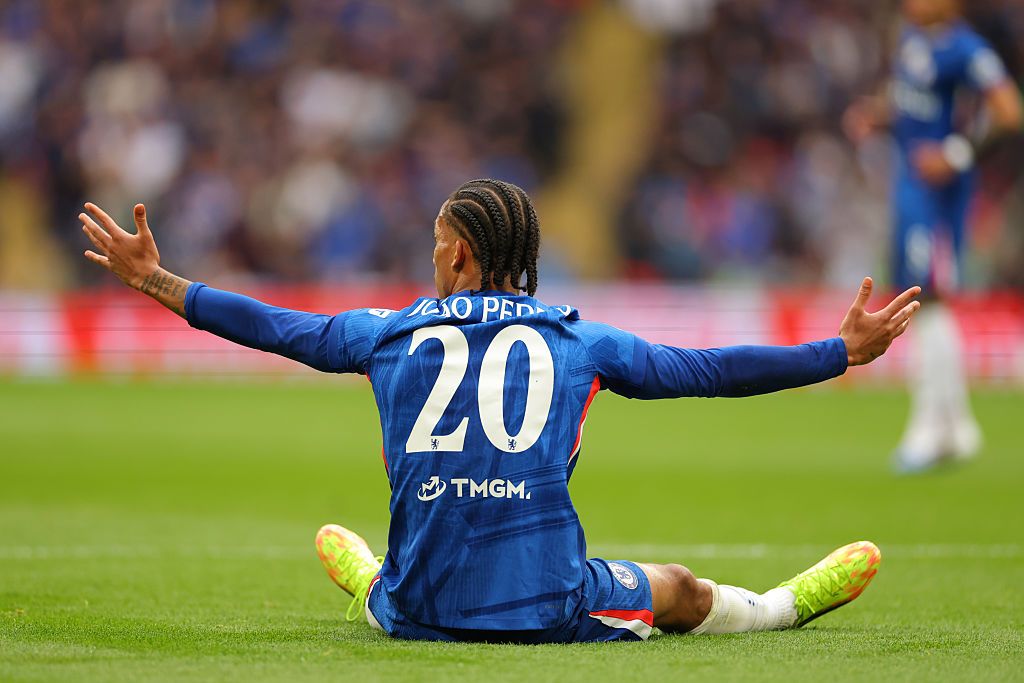
The mounting medical ward at Cobham
Chelsea’s path to a late Champions League push has taken a sharp hit as the medical department reports four new long-term absentees following the weekend fixture list. The club confirmed on Monday morning that recurring soft-tissue issues were the primary culprit, affecting both central defensive depth and the attacking transition phase. Manager Graham Potter is currently left without a core rotation that includes three regular starters, fundamentally disrupting the tactical setup at a critical juncture of the calendar.
Reports from the training ground suggest the physical load management protocols introduced in February are now facing severe scrutiny. While the initial goal was to preserve the squad for the April stretch, the intensity of the fixture congestion has exposed a lack of rotation options on the bench. The training data indicates that players are recording 15 percent more high-intensity sprints than projected, creating a spike in fatigue-related strains that the backroom staff failed to mitigate.
Tactical ripple effects ahead of the semi-finals
With the first leg of the UCL Semi-Finals approaching on April 28, Potter is forced to pivot toward an experimental back-three formation. The absence of key personnel means Chelsea must rely on academy call-ups to fill the void, introducing a chaotic variable to what is traditionally a methodical defensive structure. Critics point to the recurring injuries as a failure of conditioning oversight, specifically noting that the medical team has cycled through three different heads of performance in the last 18 months.
Historical data shows that clubs undergoing frequent changes in the backroom training staff tend to see a 20 percent higher frequency of soft tissue injuries during high-stakes match blocks, as recent analysis of English clubs has documented. This lack of continuity is now the single biggest threat to Chelsea’s European ambitions. The reliance on players returning from injury without a full game-week cycle is a gamble that rarelypays off in high-intensity knockout football.
Defining the impact on club depth
- Two starting defenders are ruled out for at least 14 days, forcing a defensive reshuffle.
- The current injury count sits at 6 active players, higher than the league average for April.
- The club has been forced to cancel two developmental squad loans to ensure enough bodies fill the training bench.
The strategic failure here is the reliance on a narrow core group that is now demonstrably burnt out. While the club leadership continues to push for a top-four finish, the reality is that the squad is breaking down under the weight of expectations. The lack of depth in the central midfield region means that any further setbacks could render the upcoming cup legs a secondary priority. This is the exact type of mismanagement that fans have flagged since the start of the winter window, as discussed in the latest updates from the club’s recent chaotic managerial changes.
Ultimately, Chelsea is currently operating at roughly 75 percent efficiency while their UCL opponents are reaching peak physical condition. The injury report is not merely a list of names; it is a indicator of an front office that ignored the warning signs of squad fatigue during the final months of the season. Looking at the upcoming schedule, the match against opponents on April 28 will now be a defensive shell, aimed entirely at minimizing the damage rather than controlling the tempo. It is a grim outlook for a club with such grand stated ambitions in the post-season bracket.
Read Next