The Death of the Cup Final Hangover
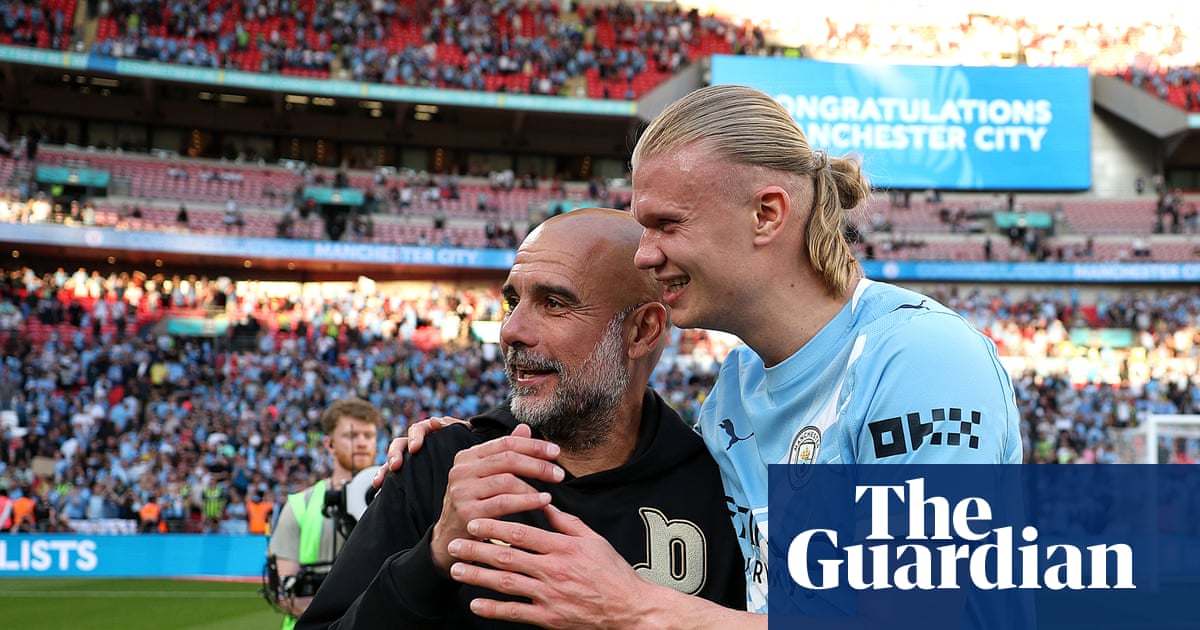
The confetti had barely hit the Wembley turf before the mood shifted entirely. Manchester City had just secured the FA Cup once again, doing exactly what Pep Guardiola’s side always does in the middle of May. They choked out their opponents, controlled the tempo until it resembled a light training session, and collected another piece of domestic hardware.
The players walked up the famous steps, lifted the lid, and posed for the obligatory photographs. However, they did it with all the enthusiasm of tired office workers clocking out for the day.
Back in the BBC studio, the vibes were entirely predictable. Micah Richards was vibrating out of his chair. He had his trademark booming laugh echoing off the studio walls, likely plotting exactly which West End club the City squad should demolish later that evening. Richards comes from a vastly different era of City history. When he won the FA Cup back in 2011 alongside Yaya Toure and Carlos Tevez, it was a drought-breaking miracle. The celebrations lasted for days. The hangovers lasted even longer.
Sitting right next to him was Wayne Rooney. Rooney looked like he was attending a tax audit. He was having absolutely none of the cheerleader routine.
When Richards suggested the City squad deserved a massive night out to blow off some steam, Rooney shot him down with the cold, dead-eyed stare of a man who survived a brutal decade under Sir Alex Ferguson. Rooney made it crystal clear. City still have more silverware in their sights before the end of the season. You do not party when the job is only a fraction completed.
The beautiful part was not the disagreement itself. Television pundits argue all the time to generate cheap clips for social media. The truly fascinating part was what happened next. As first reported after the final whistle, the players completely blanked their own club ambassador. Instead of backing Richards and demanding a night out, the squad sided entirely with a Manchester United legend.
Arsenal and Liverpool Fans Are Reaching Breaking Point
If you want to know how this played out online, you only needed to check the rival fan forums. Arsenal supporters were hate-watching the post-match broadcast, desperately praying for a sliver of hope. They needed City to get sloppy. They needed someone in the squad to locate a bottle of premium vodka and go completely missing for three days before the next fixture.
Instead, they watched City players echo Rooney's miserable, relentless mentality word for word. Over on the Arsenal subreddits, the mood instantly shifted from faint optimism to absolute despair. The consensus was brutal but entirely fair. How on earth do you compete with a squad that treats an FA Cup victory like a Tuesday morning tactical walk-through?
One prominent poster pointed out that this is exactly why chasing City feels like running on a broken treadmill. You exert all this mental energy hoping they will eventually tire themselves out, get distracted, or trip over their own massive egos.
Guardiola has effectively programmed the human joy out of them. The post-match routine is terrifyingly predictable:
- Secure the trophy and complete media duties.
- Drink a nutrient-dense recovery shake.
- Board the bus and immediately load tactical footage of the next opponent.
It is exhausting just to watch from the outside. Liverpool fans immediately chimed in with their own miserable war stories. They remembered the years they pushed City to the absolute limit, racking up 90-plus points, only to watch this exact same scenario unfold. A normal football team wins a major trophy and lets their hair down. This team views a trophy presentation as a minor inconvenience before the next video analysis session.
The Ferguson Blueprint in Pale Blue
Rooney knows exactly what he is talking about, which is why his comments hit so hard. He spent his prime years in a dressing room where complacency was treated like a highly contagious disease. Ferguson would famously tear into players if they looked too happy after winning a domestic cup. The standard was absolute perfection.
City players agreeing with Rooney is the ultimate confirmation that Guardiola has built the exact same psychological monster across town. Micah Richards desperately wanted to be the fun uncle. He wanted to give the boys permission to celebrate a massive achievement. But the players rejected his permission because the culture inside that dressing room simply does not allow for a moment of weakness.
They know that dropping points next week would instantly erase the goodwill of this FA Cup win. They know the upcoming Champions League final is the actual prize that defines their legacy. The standard is so obnoxiously high that winning the oldest cup competition in world football feels like nothing more than a scheduled checkpoint.
The Sterile Era of Modern Football
This is where we have to ask a genuinely difficult question. Is this relentless, joyless efficiency actually good for the sport?
Here is the critical observation that no one on the BBC panel wanted to make out loud. It is incredibly impressive from a sporting perspective, but it is also deeply depressing for the soul of the game. Football is fundamentally an entertainment product. It is supposed to be about emotion, chaotic release, and unbridled joy.
When an entire squad of elite athletes wins a major final and immediately starts talking about recovery shakes and Tuesday's tactical setup, something vital and human is lost. We are watching the complete industrialization of winning. The passion has been quietly replaced by sports science and optimal performance metrics.
We miss the days when players were actual human beings who made terrible, brilliant decisions after a big win. We miss the sheer chaos of a squad entirely losing their minds on an open-top bus. The £100m superstars of today are entirely too polished, far too focused, and far too heavily media-trained to give us a memorable moment of madness. Guardiola has undoubtedly created a perfect winning machine, but a machine inherently does not know how to celebrate.
Look at the stark contrast with Richards on that BBC panel. He was a flawed, chaotic player, but he played with his heart fully exposed on his sleeve. He understood that a cup final is a massive, life-changing occasion for the thousands of fans who spend their hard-earned money to travel down to London.
When the players refuse to celebrate, they are subtly telling those devoted fans that the trip barely mattered in the grand scheme of things.
The Inevitable March Forward
As the broadcast finally wrapped up and the stadium emptied out, the harsh reality set in for the rest of the country. City are not slowing down anytime soon. With the Champions League final looming on May 28, the players are probably already back in Manchester, locked in a hyperbaric chamber, reviewing passing angles on iPads.
Rival fans simply have to accept that the traditional, booze-fueled slip-up is not coming to save them. The late nights out are strictly banned. The celebratory beers are firmly on ice until the final whistle of the entire season. Rooney saw it immediately because he intimately recognizes the terminal symptoms of a dynasty.
Richards might have been laughed out of the post-match argument, but in a strange way, you have to feel sorry for him. He just wanted to see his old club enjoy the fleeting magic of the moment. But in Guardiola's Manchester City, the moment does not exist at all. There is only the next whistle, the next match, and the next trophy.
For everyone else trying to catch them, it is a waking nightmare. They will keep winning, they will keep refusing to party, and they will keep breaking the spirits of every other fanbase in the country. The rest of the league is playing a sport. Manchester City is running a ruthless corporate monopoly. It leaves the rest of us wondering if the sheer dominance is worth the complete eradication of footballing joy. Perhaps Richards had the right idea all along. Someone needs to remind this squad that it is perfectly okay to smile when you win.
Read Next
- Wayne Rooney and Pep Guardiola are the weirdest buddy cop duo in football
- City's January gambles deliver the FA Cup while Chelsea ghosts Wembley again
- City's FA Cup double proves Guardiola has already won next season's title
- Wayne Rooney crying on live TV just justified his entire BBC salary
- 🏆 FA Cup Final 2026 — May 16, Wembley