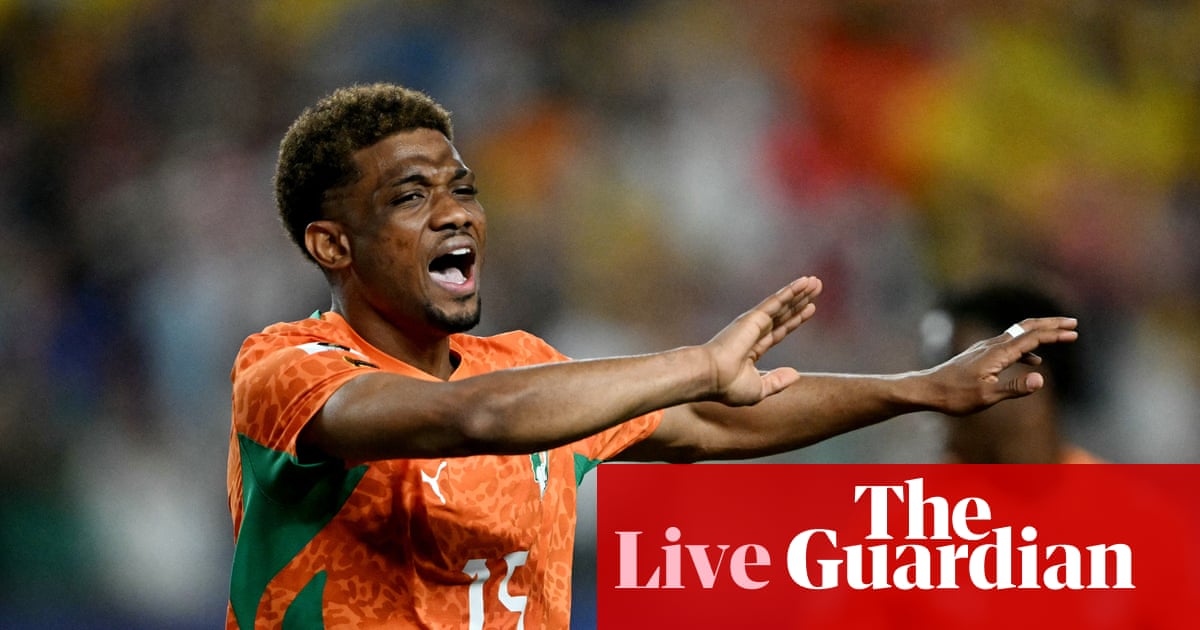
Tactical stalemate dominates World Cup opener
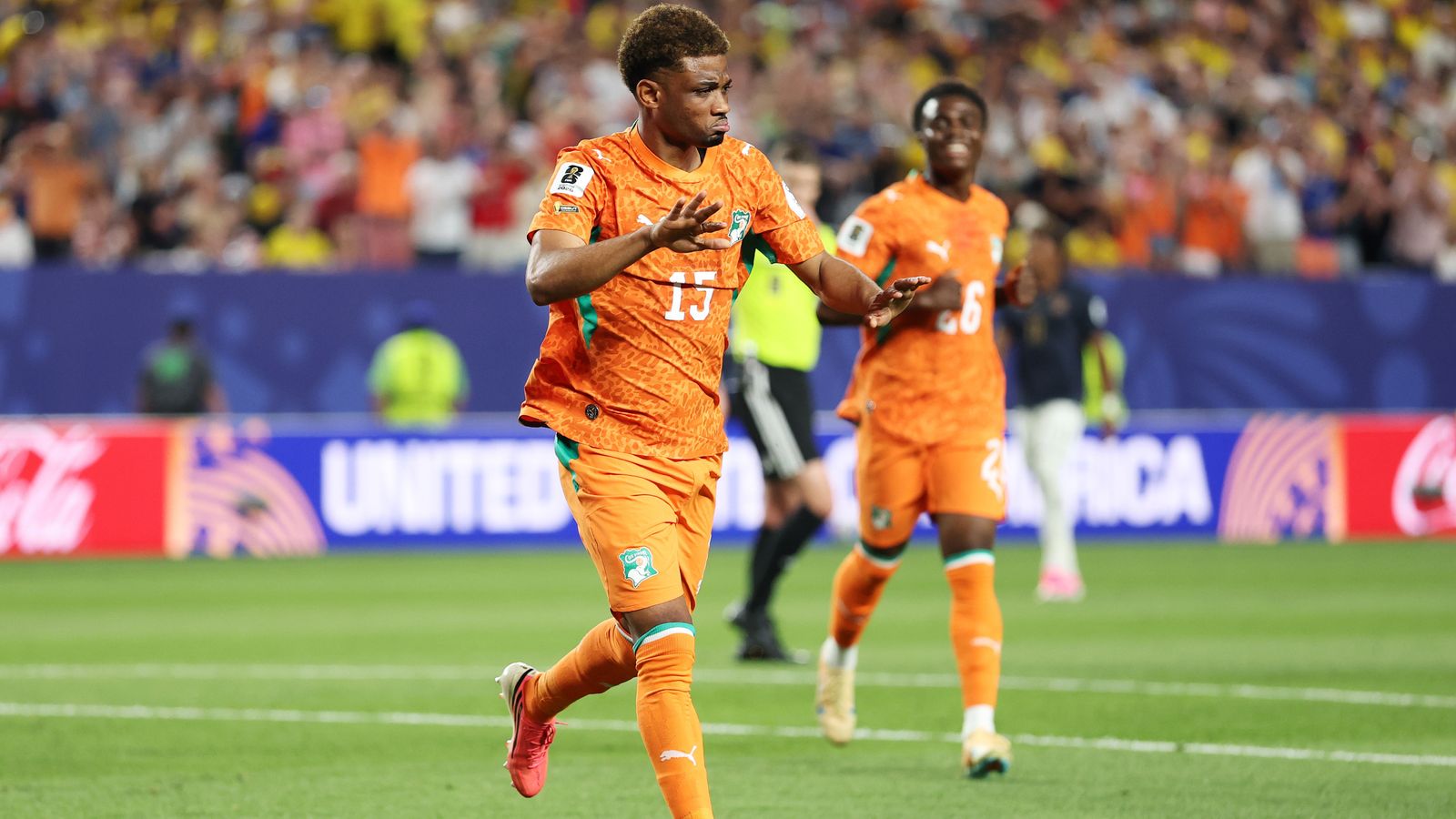
Côte d'Ivoire secured a gritty 1-0 victory against Ecuador in their opening 2026 World Cup fixture yesterday. The win was less about free-flowing football and more about defensive discipline in high-pressure windows. With the stakes set early in the group stage, neither side opted for structural risks.
Ecuador struggled to bridge the gap between their midfield and attack. Their reliance on wide transitions forced them into repetitive crosses that the Ivorian defensive line managed with ease. By the 60th minute, the lack of creativity from Ecuador’s central pivot became the defining story of the match.
Defensive lapses define the result
The decisive moment arrived through a lapse in containment that Côte d'Ivoire exploited. Finding internal space in the final third remains the primary challenge for Ecuador’s coaching staff as they rotate into their second fixture. Watching the game flow, it was clear that both teams prioritized damage control over tactical volatility.
The Ivorian side maintained an organized shape despite significant pressure during the final 15 minutes of regulation time. Their goalkeeper handled set-piece deliveries with authority, neutralizing any half-chances Ecuador manufactured late. It was a disciplined execution that allowed them to bank three points without needing to play at peak output.
Questions remain for Ecuador's frontline
Ecuador looked disconnected during transition phases, often leaving their primary striker isolated against two defenders. This lack of ball retention forced their defensive unit to cover an exhausting amount of ground across the pitch. Statistical tracking confirmed they lost possession in the midfield channel over 15 times during the first half alone.
While Côte d'Ivoire walked away with the result, their offensive efficiency remains a concern for deeper tournament progression. They converted their only high-probability scoring opportunity and offered little else in terms of sustained buildup play. A team with higher clinical thresholds would punish these gaps in the midfield transit zones.
Analyzing the group implications
The World Cup 2026 bracketology is already shifting as a result of this outcome. Securing a win in the first match provides the Ivorian side with massive momentum heading into a mid-week clash. For Ecuador, the margin for error has effectively evaporated before their second match begins.
Critics will point to the lack of cohesive passing lines as evidence of a rushed preparatory phase for both nations. The technical execution in the final third rarely hit a level deemed acceptable for top-tier international competition. It was, frankly, a cagey affair that felt more like a training exercise than a world-class spectacle.
Stats and match rhythm
The match was played at a stuttering pace, with referees blow-piping for fouls, which allowed Côte d'Ivoire to disrupt any rhythm Ecuador attempted to build. Possession was split evenly, yet the quality of chances skewed heavily toward the Ivorian selective attacks. The lone goal arrived at the 74th minute, a finish that squeezed past the keeper's near post.
It is difficult to project how these teams will fair against tougher opposition in the knockout stages. Defense wins games, but the inability to transition quickly or effectively will inevitably lead to a cold exit if these patterns continue. They must improve their speed of play before their next scheduled matches.
Final assessment of team form
Côte d'Ivoire’s back four showed chemistry, though they were rarely forced into desperate tackles. Ecuador, missing the necessary spark in their build-up play, lacked the cohesion to expose the Ivorian block. The result stands as a reminder of how margins determine tournament longevity.
Coaches rarely divulge full tactical blueprints in early stages, yet yesterday’s output suggested some stagnation, if not a total lack of aggressive options. We are looking at a team in the Ivorians that is comfortable being boringly efficient. Ecuador, however, needs to find a way to manufacture shots without forcing their players to abandon defensive responsibilities.
Looking forward, the tactical adjustments will determine if these squads can survive the gauntlet of the round-robin phase. There was a notable absence of tactical flexibility once the deficit was established. Players seemed content to run out the clock rather than mount a high-intensity comeback effort in the dying embers of the match.
Read Next
- Socceroos hit the wall: Travel fatigue hampers World Cup preparations
- Germany just got embarrassed by a country the size of a gas station
- Scotland’s path to survival after clearing the Haiti hurdle
- Scotland beat Haiti but the World Cup panic hasn't subsided
- 🏆 World Cup 2026 — Full Coverage Hub
- 🇨🇮 Ivory Coast World Cup 2026 — Les Éléphants Hub