Setting the Stage in 2026
The 2026 World Cup has forced tactical rigidity across the board. Every point serves as a lifeline in a condensed tournament format.
We are parsing the opening week for moments of individual brilliance, blunders, and the inevitable grind that defines international football. These are the sequences that changed the momentum of the tournament.
1. Yasin Ayari’s Thunder Strike
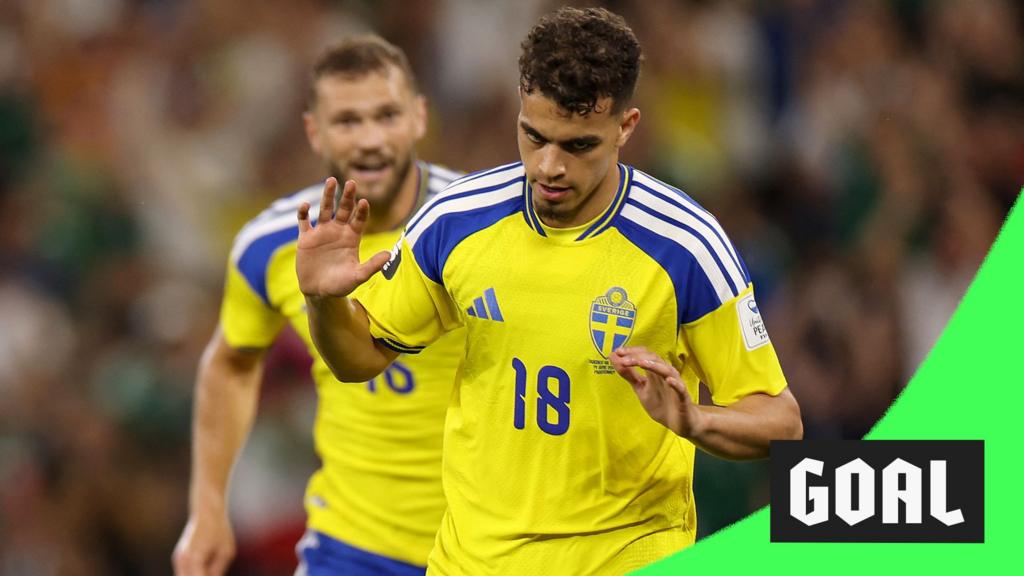
Ayari’s 25-yard strike for Sweden against Tunisia remains the high-water mark for technical execution. The Brighton man struck the ball with perfect instep technique, leaving the keeper rooted as it rattled the crossbar and entered the net. The lack of celebration was a sharp, somber reminder of his heritage; he chose to honor his father rather than erupt in joy.
It sits at the top not just for the goal, but for the narrative weight provided by his understated reaction. Most players would engage in performative displays, but Ayari’s silence commanded more attention than a knee-slide ever could. It is the defining individual moment of the opener.
2. Côte d'Ivoire’s Defensive Fortress
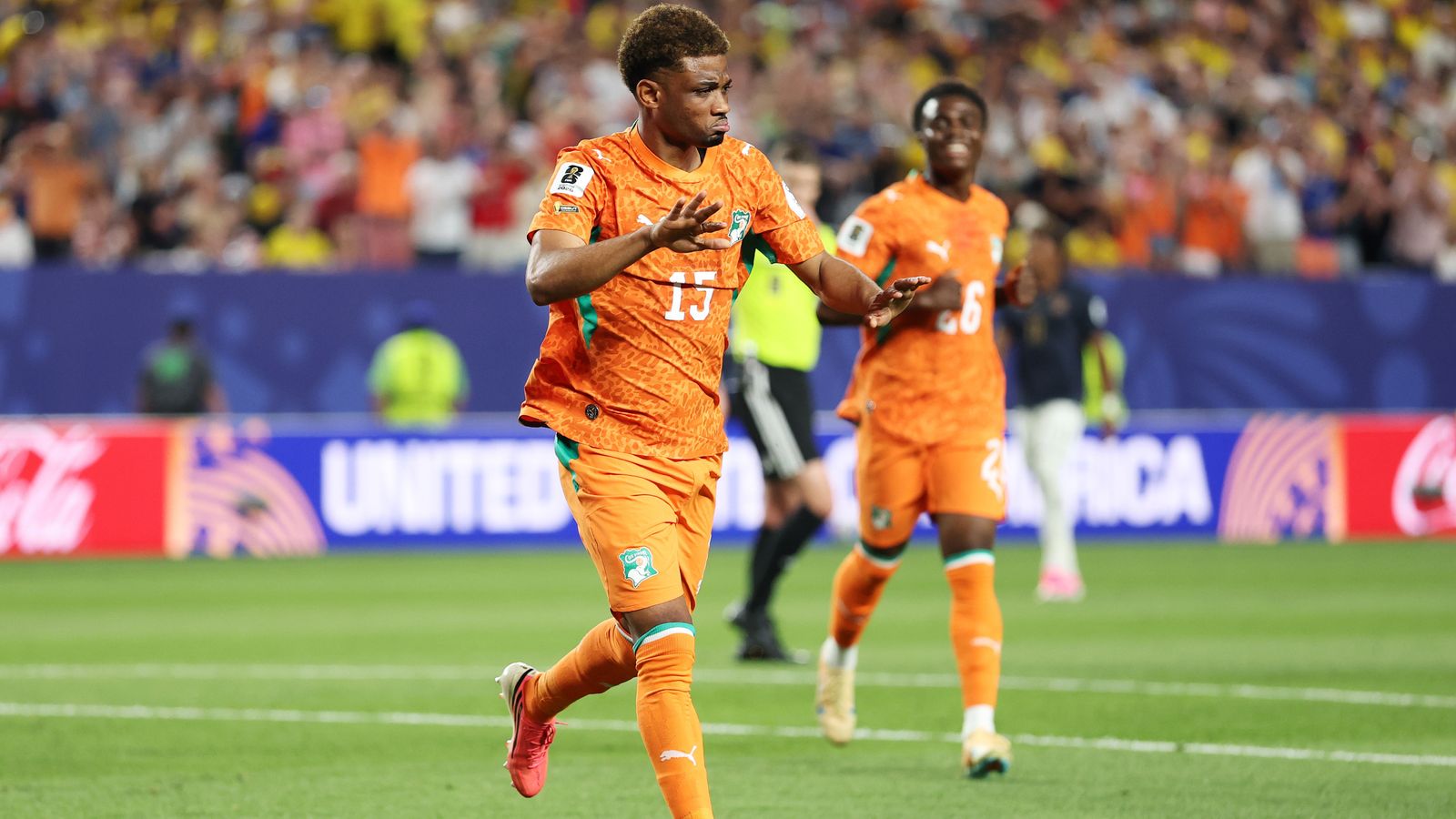
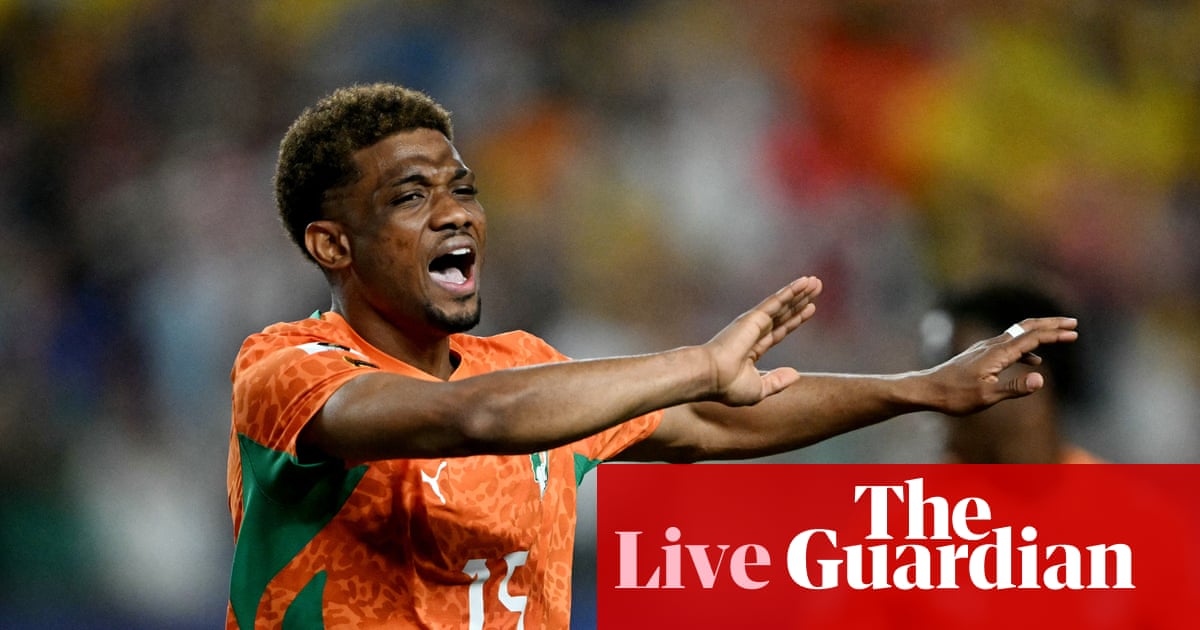
As reported earlier this week, the Ivorian victory against Ecuador was a masterclass in pragmatism. They did not play beautiful football; they played effective football. By pinning back their fullbacks, they neutralized Ecuador’s pace on the wings.
This win earns the second spot because it highlights the reality of the knockout-heavy mentality currently sweeping the competition. It was a 1-0 result built on grit, not flair. Fans expecting goals were left disappointed by the defensive stall.
3. The Socceroos' Travel Logistics
The Australian squad’s arrival in Oakland post-Turkey game became a major storyline. Physical exhaustion is the silent killer of tournament hopes. Choosing recovery over training indicated the severity of the travel burden imposed by the current schedule.
While fans demand high-intensity training, Graham Arnold chose the smarter, long-term path. It is a cautionary tale regarding how structural decisions impact player fatigue in the group stage. If they fail to hit their stride against the United States, we will look back at this week as the failure point.
4. Ecuador’s Wing-Back Collapse
Ecuador’s inability to break down the final defensive line against Côte d'Ivoire represents the most significant tactical failure of the opening round. They controlled 60% of possession but produced zero shots on target in the final twenty minutes.
This ranks here because it exposes a lack of plan B. When the primary crossing lanes are clogged, elite teams pivot inside. Ecuador kept hammering the sideline like a broken record. It was a regression in strategy that cost them three points.
5. The Tunisia Defensive Structure
Tunisia’s shape against Sweden was near-perfect for 70 minutes. They held a disciplined 4-4-2 block that cut off interior passing lanes for the Swedish creative midfielders. Ayari’s goal was a moment of magic that the system couldn't prevent, but the preceding hour of play was exceptional.
Their organization is often underestimated by global outlets. They are not here for vanity; they are here to draw teams out and punish them on the counter. The efficiency of their defensive transition remains a standout tactical feature.
6. Connor Metcalfe’s Heroics
Metcalfe’s performance against Turkey was an absolute engine-room display. He covered more ground than any other player on the pitch during that 90-minute window. Without his late-game recovery runs, the Socceroos would have conceded at least two goals.
He is the archetype of the modern box-to-box midfielder who understands spatial positioning. If he maintains this output, Australia remains a dark horse. If his legs go, the entire team structure collapses.
7. The Oakland Pitch Quality
Reports from the training ground suggest the surface quality in Oakland for the pre-match sessions has been sub-par. Players have noted excessive divots and an uneven grass height. In a tournament of this stature, these granular details matter for ball speed and touch.
It is a black eye for the local organizing committee. Professional athletes should not be worried about ankle rolls during routine warmups. This is a clear organizational oversight.
8. Tactical Stagnation
Many matches this week have devolved into midfield congestion. Teams are packing the central channel to the point of absurdity. It has resulted in a massive drop-off for attacking threats who rely on half-spaces.
Spectators are getting frustrated, and rightfully so. The lack of vertical passing in favor of lateral ball-recycling is slowing the game to a crawl. Coaches are playing for the draw before the first whistle blows.
9. Sweden’s Bench Management
The rotation of the Swedish squad in the latter stages against Tunisia was calculated. They introduced fresh legs to counter the fatigue of the Tunisian back four, which eventually forced the space required for the winning goal.
It is a subtle move, but it shows a manager playing the percentages. Not all teams are utilizing their full bench early. Sweden’s willingness to disrupt the game rhythm in the second half saved their result.
10. The Absence of Early Chaos
Perhaps the most surprising aspect of these opening fixtures is the lack of big upsets. While teams are struggling for goals, the defensive discipline has prevented any true 'giant killing' results so far.
Group favorites are playing scared. We are waiting for one team to break the seal and play with reckless abandon. Until then, the tournament remains a slow burn rather than a bonfire of goals.
Honorable Mentions
The defensive discipline showed by the Ecuadorian holding pair deserves note for bravery under pressure, even if the attack failed. Similarly, the composure displayed by the Socceroos' center-back pairing during the second half against Turkey prevented an inevitable draw. Finally, the atmosphere generated by the traveling fans in Sweden has been the quiet highlight of a tournament that has otherwise felt somewhat sterile in the stands.