
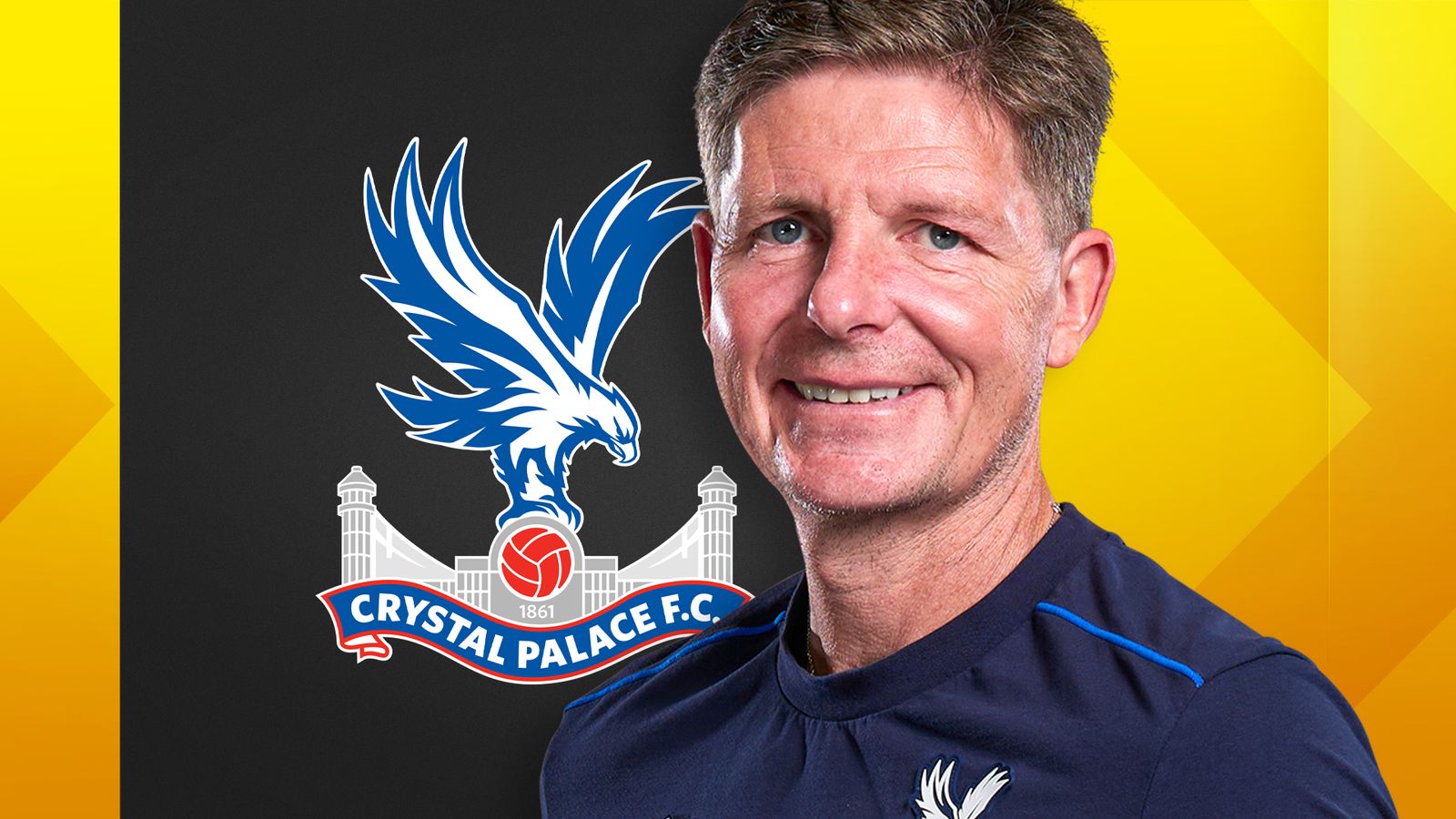
The double blow for Glasner
Crystal Palace head coach Oliver Glasner confirmed today that Adam Wharton and Maxence Lacroix will remain sidelined for the immediate future. The fitness status of both players puts the club’s slim European ambitions under significant pressure as the Premier League enters its final phase.
Wharton's recurring physical issues have proven particularly difficult to manage. The coaching staff has opted for a cautious approach, aiming to avoid any long-term structural damage during a season already packed with high-intensity fixtures.
The medical reality
Club sources indicate that Lacroix is dealing with a lower-body soft tissue complication. His absence removes a central component from the backline exactly when stability is needed most to sustain a push for a Conference League spot. The lack of depth in defense is becoming an undeniable reality.
Glasner addressed the media at the training ground this morning. His comments reflected a pragmatic perspective on the rotation needs. When asked about his midfield options, he emphasized that throwing players back into action before they are match-fit remains the biggest risk to the club’s integrity this season.
Tactical friction
The absence of Wharton limits the team’s ability to control tempo in the middle of the park. His proficiency in breaking lines has been a cornerstone of this squad's tactical identity. Without him, the team has struggled to replicate the high-pressing intensity seen in earlier months.
Critics point to the lack of recruitment depth as a failure of the January window. Relying on a small core group while competing on multiple fronts has forced the manager to run his primary rotation into the ground, leading to the current 4 active injuries within the first-team squad. The recent updates provided by Sky Sports highlight the mounting frustration among the coaching staff.
Looking toward the final matches
The calendar offers no mercy. With the remaining league schedule demanding maximum points, the medical team is working through aggressive rehabilitation protocols for both players. The target return date is currently set for after the next international break, though internal reports suggest that timeline could shift depending on how the players respond to increased load-bearing exercises.
Players being rushed back is almost never the answer, yet the pressure to qualify for European competition creates a conflict of interest between medical staff and coaching ambitions. This dynamic has hampered squads across the division for decades, with historical data showing that 'fast-tracked' returns often result in re-aggravation within 3 matches.
For fans, the situation is clear: if the team fails to secure a top-seven finish, the finger of blame will likely point toward the lack of bench reliability. Whether the recruitment team can pivot in the summer depends entirely on the financial implications of finishing outside the European spots. The margins are thin enough to suggest that this could be a pivotal turning point for the club's trajectory.
Competitive parity in the Premier League ensures that even mid-table opposition can punish teams missing key starters. The squad must now demonstrate they have the squad depth to handle these absences without leaking momentum into the final month. The reliance on academy talent in training indicates a desperate search for internal solutions as the injury list grows.


