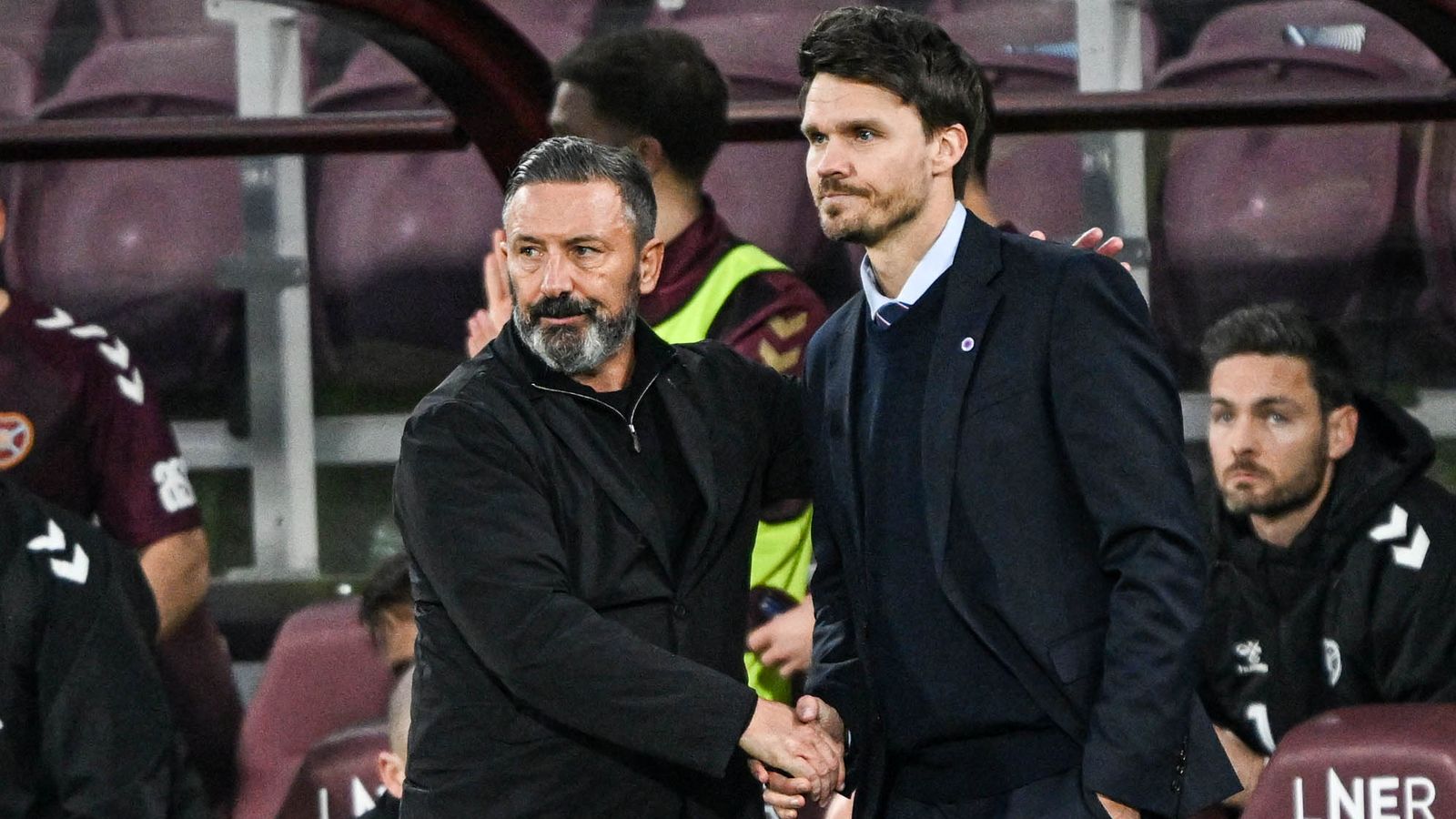
The Ibrox transition begins
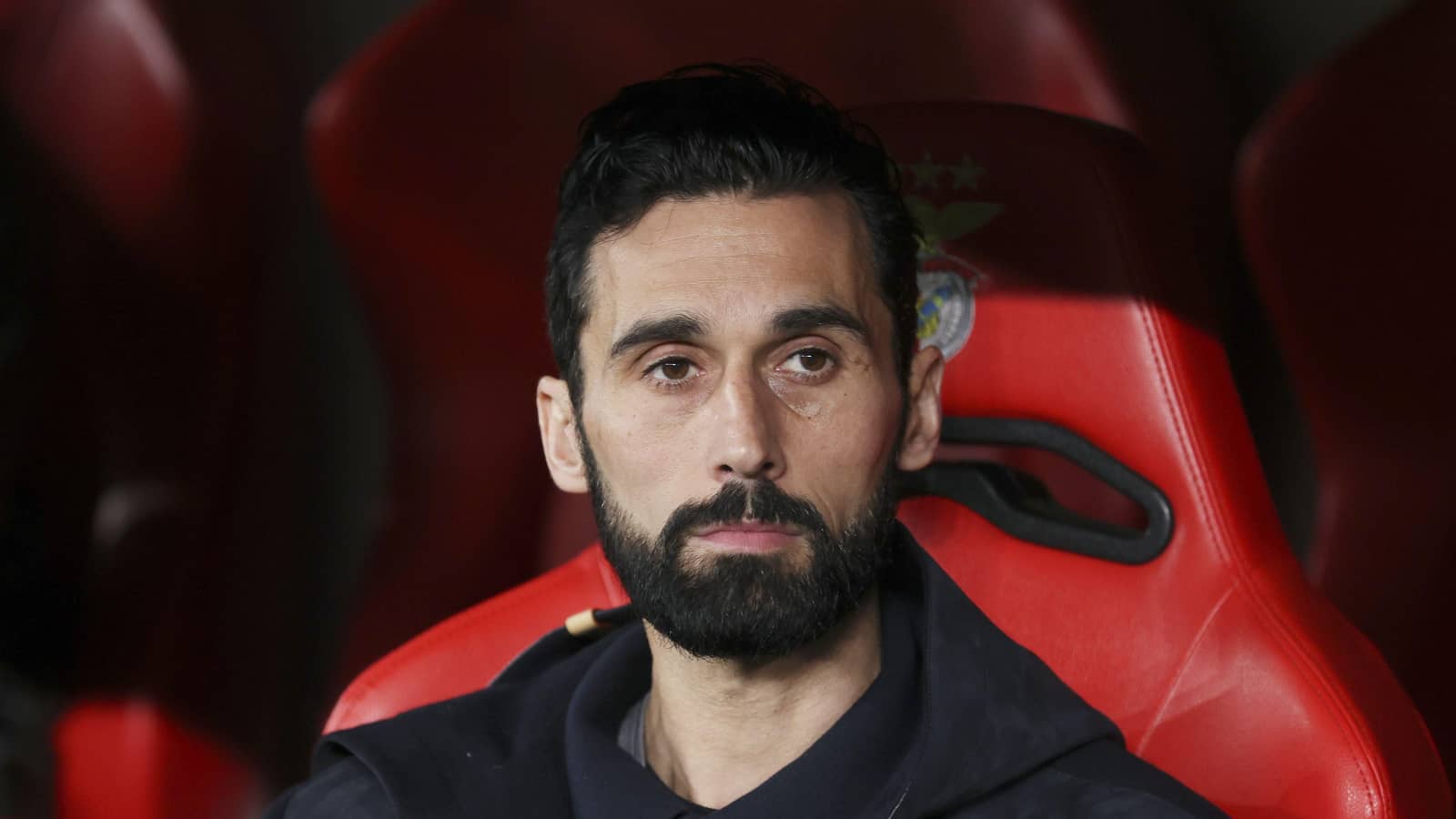
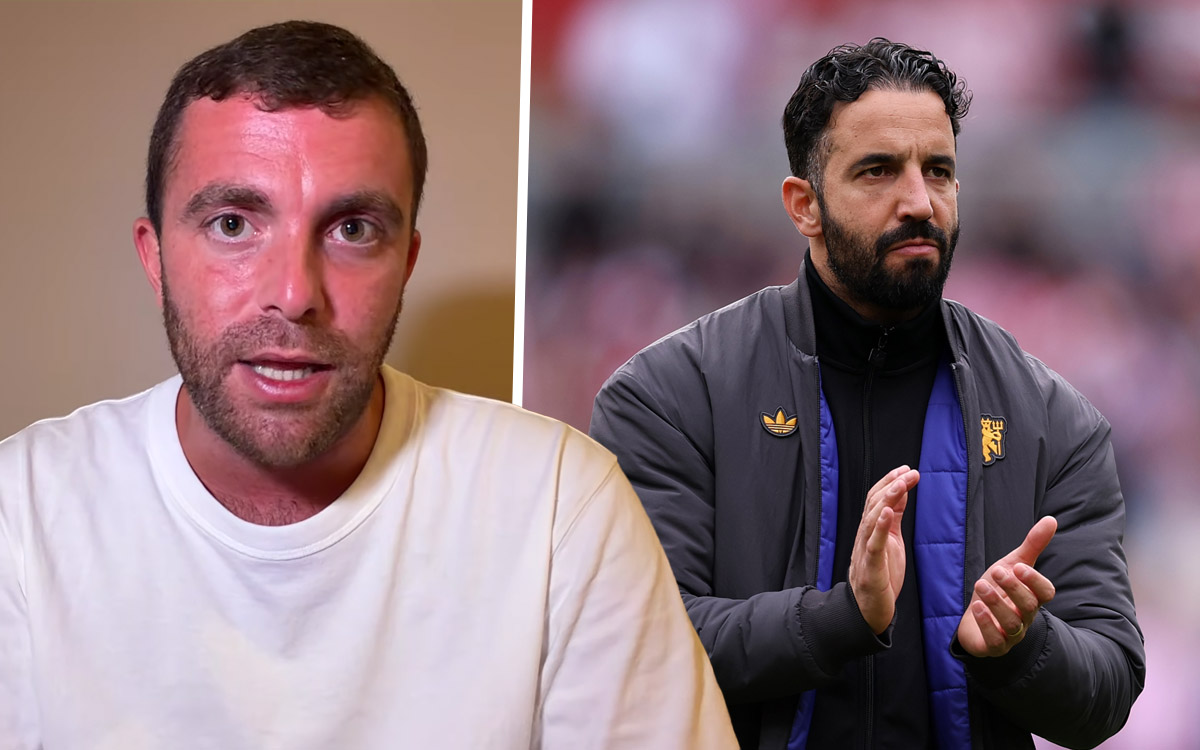
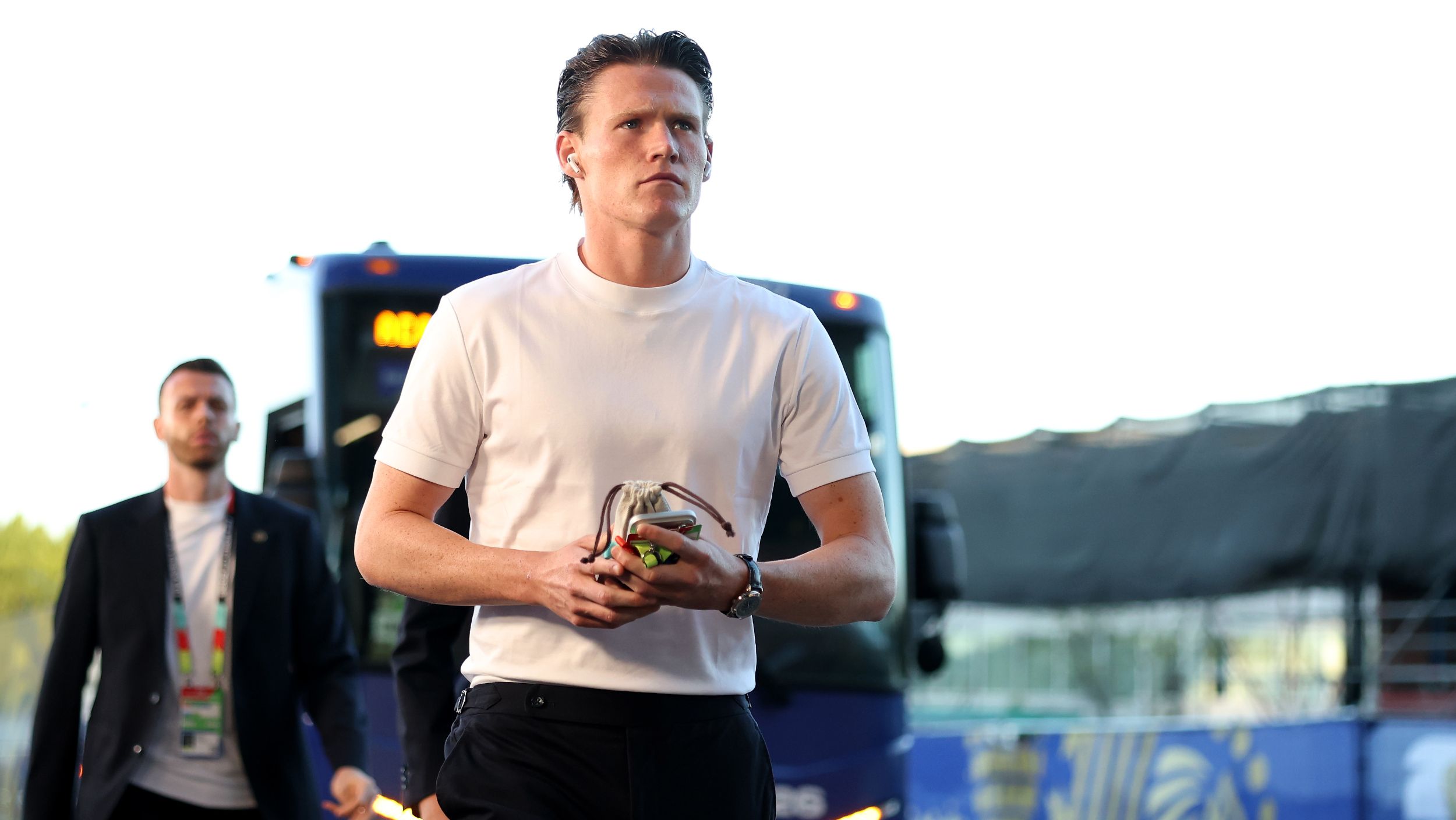
Danny Röhl is finalized for a departure from Rangers, signaling the end of his brief tenure at Ibrox. The manager is nearing a formalized appointment with Red Bull Salzburg, leaving the Scottish side scrambling for a successor during the most sensitive point of the offseason calendar.
The club has moved quickly to plug the gap, reportedly securing an agreement for Hearts head coach Derek McInnes to take the reins. Sky Sports confirmed that compensation terms have been reached between the two clubs. This is not a low-cost transition.
Compensation and contractual realities
Reports from TeamTalk highlight a substantial financial outlay required to pry McInnes away from Tynecastle. Rangers are prioritizing stability over frugality, paying a premium to ensure their top target does not slip away to a direct domestic rival or an interested third party.
The sheer speed of this move suggests the Rangers board was already vetting alternatives weeks ahead of time. When a manager of Röhl's profile signals a departure to an organization like Salzburg, clubs of Rangers' stature cannot afford to be reactive. They have been active, and according to the BBC, the deal is in the final stages of administrative sign-off.
The burden of succession
McInnes enters a volatile setting. Rangers face immediate pressure to perform, and a mid-summer coaching change rarely allows for a smooth integration of tactical systems. The tactical shift from Röhl’s high-intensity approach to whatever McInnes prefers will require a near-total buy-in from a squad that remains unsettled.
History is littered with managers who arrived at Rangers with pedigree only to be ground down by the sheer weight of expectation. If McInnes cannot get results by the opening month of the 2026/27 campaign, the substantial transfer and compensation funds spent will be scrutinized by fans who are currently wary of the club's long-term direction.
There is also the matter of the players. A coaching carousel is seldom conducive to retention. Key squad members might look for the exit door if the new regime does not guarantee playing time or a clear path toward title contention. Managing player morale will be the immediate test for McInnes, regardless of his tactical acumen.
Strategic fallout for the league
The departure of a coach of McInnes’s standing from Hearts significantly disrupts the balance of the Scottish Premiership. Hearts now face an emergency search for a replacement, potentially losing their own tactical foundation just as teams finalize their training camp preparation. It is a domino effect of instability.
Rangers represent the bigger market share here, which explains why they are willing to trigger heavy release clauses. However, the club’s willingness to pay deep into seven figures for a manager indicates a lack of internal succession planning. This reactive spending often blindsides recruitment departments, potentially delaying new player arrivals.
The financial commitment for McInnes represents £1.5 million in initial compensation, an aggressive move intended to quell fan dissent. Whether this results in tangible success remains an open question for the upcoming season. The timing is poor; losing a manager in June leaves a minimal window for a full pre-season overhaul.
Clubs throughout the league will monitor this transition closely. If Rangers stumble, it signals an opening for mid-table sides to capitalize on a disorganized Ibrox side. If they thrive, the move will be viewed as a masterstroke of decisive management. For now, the administrative burden rests on sealing the paperwork before training camp officially begins next month.
Every day that passes without a confirmed squad strategy is a lost day in the transfer market. McInnes must hit the ground running, or he will be fighting a losing battle against the fans' patience before he has even coached his first league fixture. It is a high-stakes bet on experience over the previous project's potential.
Read Next
- Derek McInnes to Rangers is a massive gamble that reeks of desperation
- Derek McInnes jumps to Rangers as Danny Röhl era ends
- The Rangers managerial carousel is spinning out of control
- Fulham pivot to Alvaro Arbeloa after failing to land Kieran McKenna
- ⚽ Scottish Premiership 2025-26 — Celtic vs Rangers Hub