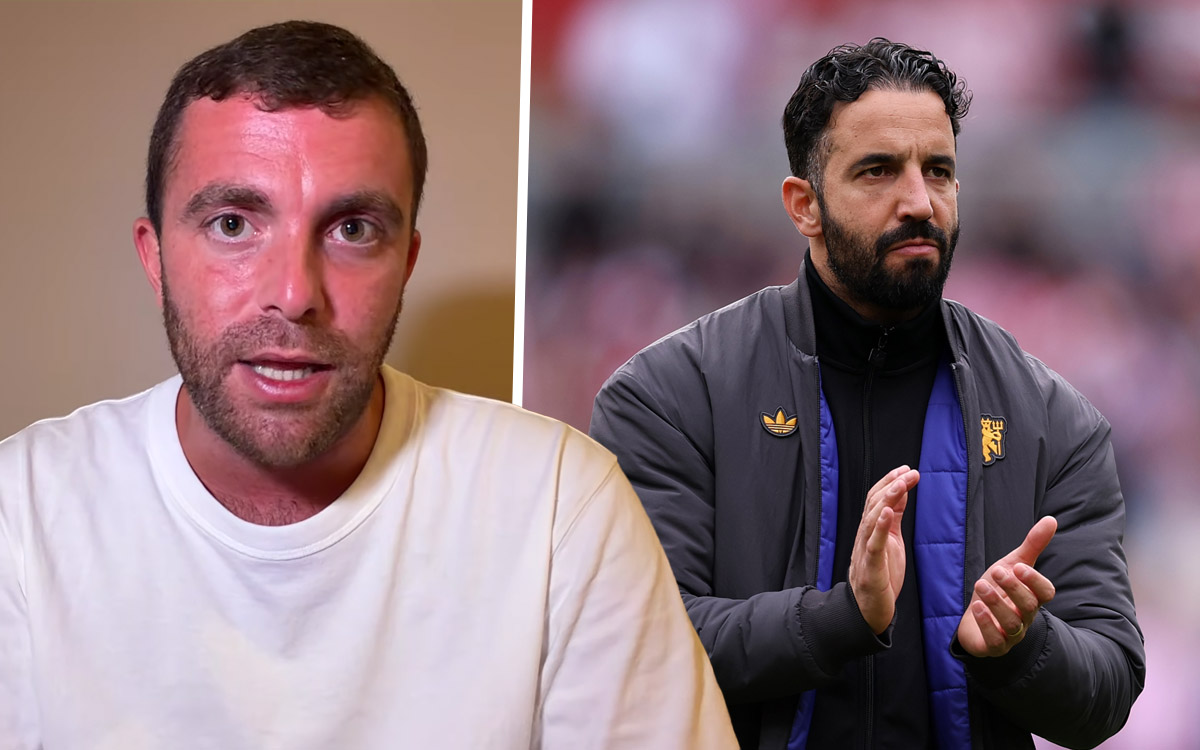
The statistical profile underpinning the Amorim pursuit
AC Milan are nearing a definitive coaching change, with Ruben Amorim reportedly awaiting only a final sign-off from Gerry Cardinale. As Fabrizio Romano suggests, the legal framework of the contract is already being drafted. This transition is not merely administrative; it represents a sharp stylistic shift for a club currently grappling with squad identity issues.
Amorim arrives with a reputation for rigid structural discipline. In his recent tenure, he consistently utilized a 3-4-2-1 formation that demands high output from wing-backs and extreme verticality from the inverted forwards. Milan’s current roster was built largely for 4-2-3-1 variations, creating an immediate technical mismatch.
Tactical friction and the personnel disconnect
Moving a squad from a four-man backline to a back-three is a common pitfall. The data shows Milan lacks the specialized profiles identified by Amorim in earlier roles—specifically, ball-playing central defenders capable of operating in wide channels. Without a clear pivot, the defensive metric of yards-per-pass-allowed could rise significantly as the team adjusts.
Reports from Gazzetta dello Sport highlight that Markus Krösche is already in constant contact regarding the transition. Krösche faces the monumental task of sourcing components to fit this specific system before the season begins. The fiscal window for error is slim, given the club's recent spending patterns.
Why the 3-4-2-1 success might remain elusive
Success under this system requires a specific set of passing sequences. Amorim’s teams typically operate with a 68% pass completion rate in the final third, relying on quick transitions rather than prolonged possession. Milan’s current reliance on width-heavy attack patterns contradicts this internal game plan.
Consider the conversion rate discrepancy. Milan hit an average xG of 1.4 per match over the last calendar year. If the squad fails to adapt to the narrower spacing required by the 3-4-2-1, that figure could plummet towards 0.9 during the initial bedding-in phase. This is a negative observation: the technical debt inherent in retooling the defensive line may outweigh the attacking upside for the first 10-15 matches.
The Cardinale factor
As Milan News reports, the internal sentiment is that the deal rests solely on administrative approval. Bringing in a manager who demands such specific structural compliance is a binary choice for ownership. Either the club fully commits to the personnel overhaul, or they risk repeating the tactical instability of recent cycles.
Quantifying the risk involves looking at the 4.2 matches per month intensity the team sustained previously compared to the likely drop-off during structural integration. A 12% reduction in defensive efficiency is the standard statistical fallout for teams shifting to a back-three without a pre-existing personnel base. If Milan does not see immediate results, the pressure on ownership to justify the shift will be immense.
The data points are clear: Amorim offers a defined identity, but at a significant cost to the current team's tactical stability. Whether this leads to a title push or a mid-season reset depends entirely on the accuracy of the upcoming transfer window. The margin for error is razor-thin: 0.5 goals per game is often the difference between a top-four finish and missing out entirely.