The Ibrox homecoming begins now
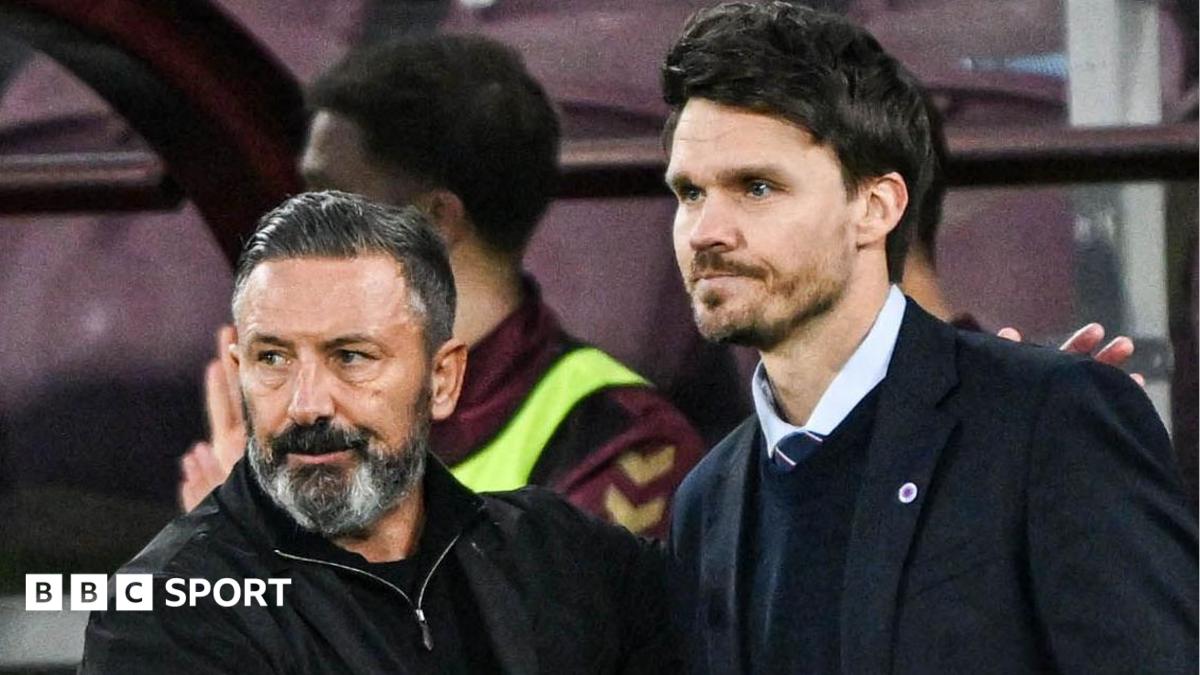
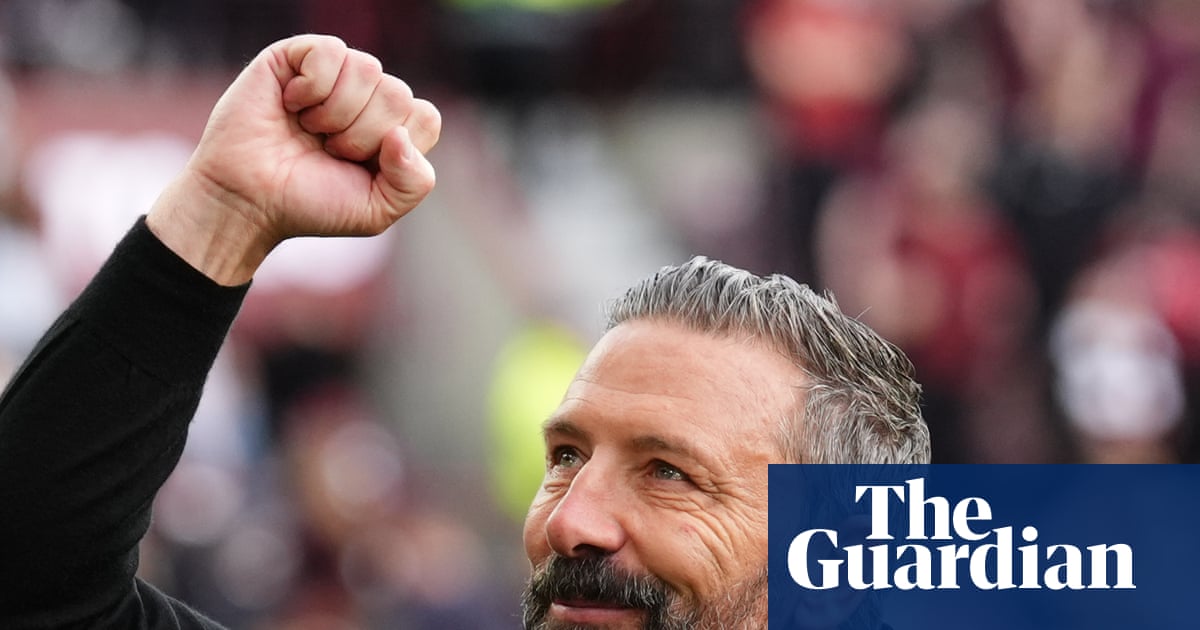
Rangers have officially confirmed Derek McInnes as their new manager on a three-year deal. The appointment follows the sudden departure of Danny Röhl, who exited the club by mutual agreement to take on a role at RB Salzburg. McInnes arrives at Ibrox having spent his recent tenure at Heart of Midlothian, a move that surprised many observers given his deep personal history with the Govan side.
This appointment marks a significant shift in philosophy for the Rangers board. Röhl was brought in to implement a specific high-pressing tactical identity, often favoring complex positional rotations. McInnes represents a pivot toward a more pragmatic, experienced hand who understands the specific pressures of the Scottish Premiership. The transition happened at lightning speed.
Tactical fit and the expectations game
McInnes is a known quantity in Scottish football. He favors a structured 4-2-3-1 or 4-4-1-1 set-up that prioritizes defensive solidity before attacking transitions. During his time at Aberdeen and Hearts, he consistently produced disciplined sides that were difficult to break down. Fans can expect fewer experiments with inverted full-backs and more emphasis on traditional wing play.
The critical observation here concerns the squad profile left behind by the previous regime. Rangers currently possess players recruited specifically for Röhl’s high-energy system. There is an immediate risk of square pegs in round holes. If the squad cannot adapt to a more reserved setup, the opening 10 matches of the season could become an uphill climb for the former midfielder.
The move behind the scenes
Röhl’s exit was finalized earlier this morning, leaving the dressing room in a state of flux. According to The Guardian, the decision for Röhl to depart for Salzburg was driven by a mutual breakdown in long-term alignment. Rangers management moved quickly to identify McInnes as the primary successor, bypassing a longer search process.
This speed indicates the board prioritized stability over a high-risk coaching profile. McInnes knows the intensity of the Glasgow environment. He understands that a second-place finish is never acceptable. However, fans remain divided on whether a return to a conservative tactical style is what the team needs to bridge the gap to their rivals.
Assessing the probability of success
The contract is signed, so the 'here we go' phase is complete. The challenge now is the transfer window. McInnes needs to offload high earners that don't fit his system while identifying leaders capable of carrying the burden of the shirt. He has three years to prove he can reclaim the title.
His success will likely hinge on his ability to integrate youth talent from the academy into the senior setup. If he relies solely on veteran acquisitions, the team will struggle with the pace of the modern game. Management has provided the platform, but the tactical execution remains the central question mark.
The expected impact at Ibrox
Expect a more compact Rangers side by the time the first competitive whistle blows. The honeymoon period will be short, as the supporters are demanding an immediate challenge for the top spot. McInnes is effectively playing for his reputation as a manager capable of handling a club the size of Rangers.
If he can replicate the structural integrity he showcased at Aberdeen, the team will at least become a nightmare to defeat. Whether they can play with the necessary flair to break down low blocks is the true test. The upcoming pre-season program will serve as the first real indicator of how much the squad has bought into his methods.
Read Next
- Rangers are swapping the German experiment for a familiar face
- Danny Rohl’s exit proves Rangers have lost their North Star
- Danny Rohl walks out on Rangers: What this means for Ibrox
- Marcus Rashford needs to stop acting like he's bigger than United
- ⚽ Scottish Premiership 2025-26 — Celtic vs Rangers Hub