The Ibrox revolving door spins again
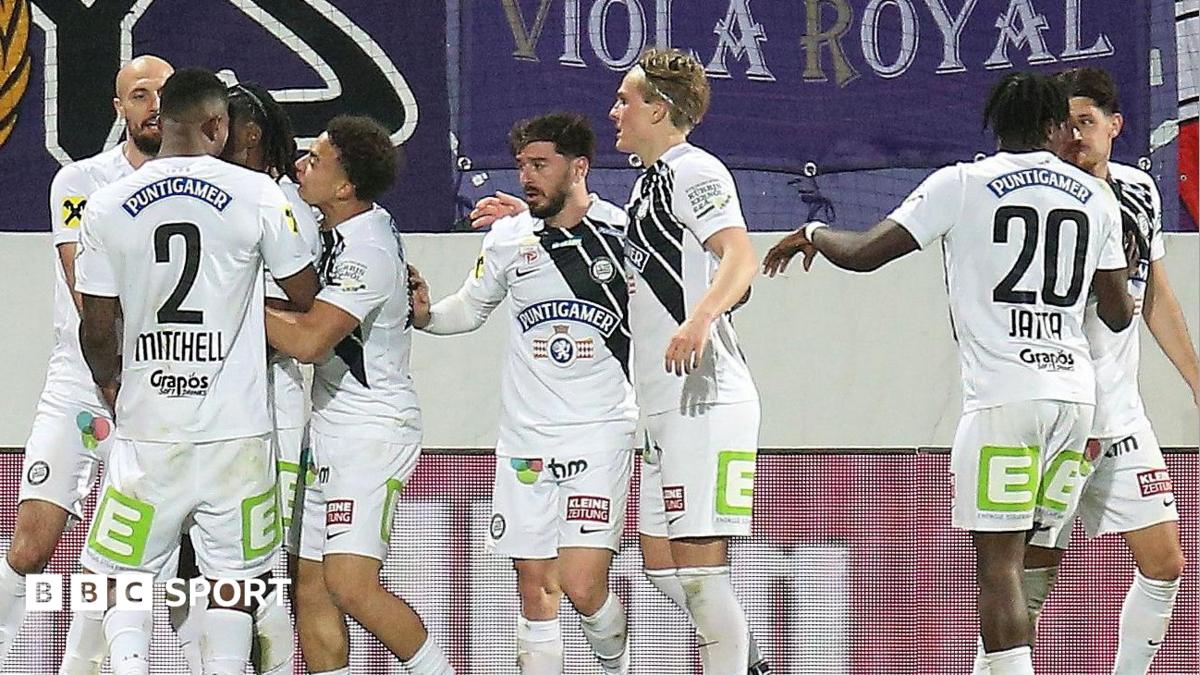
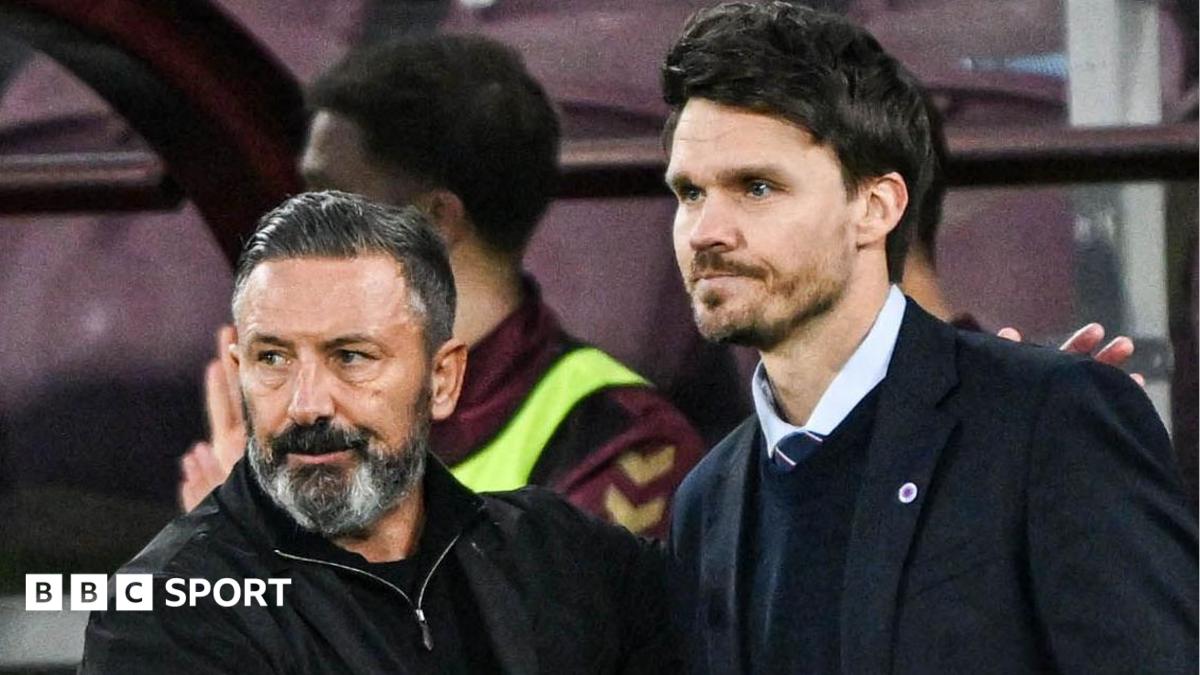
The departure of Danny Röhl from Ibrox feels less like a strategic pivot and more like a retreat. After taking the reins last October to replace Russell Martin, Röhl lasted a mere eight months before the allure of the Austrian Bundesliga pulled him toward RB Salzburg. As reported by The Guardian, the exit was finalized by mutual agreement, leaving a leadership vacuum that the Ibrox board felt compelled to fill with immediate, familiar depth.
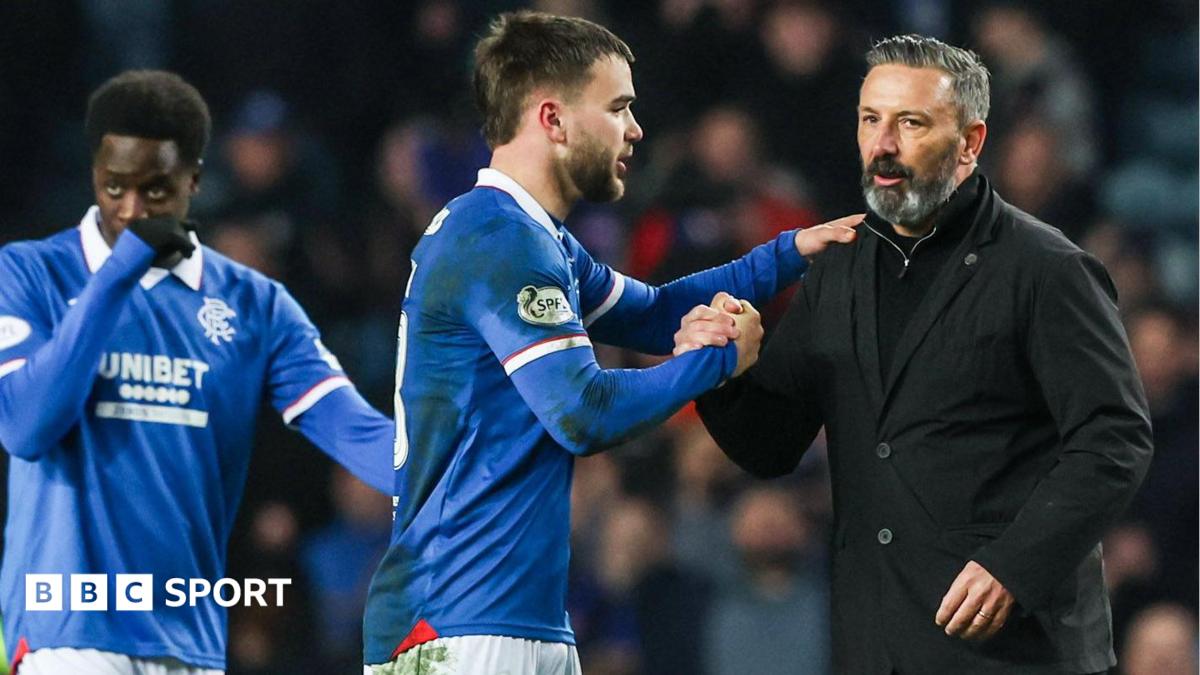
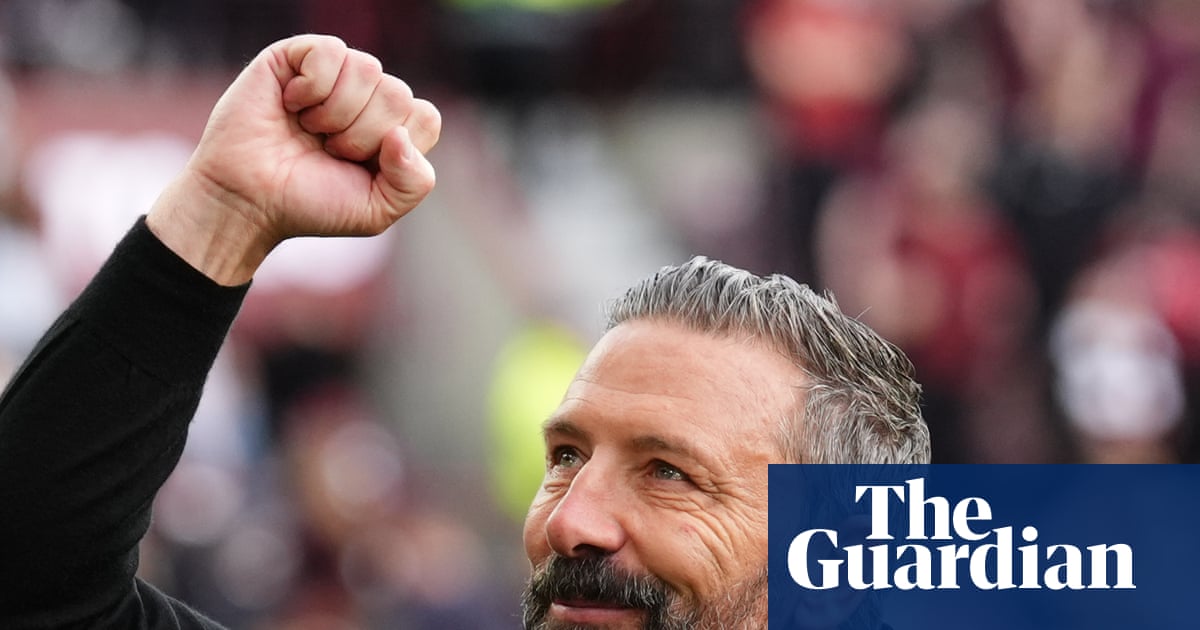
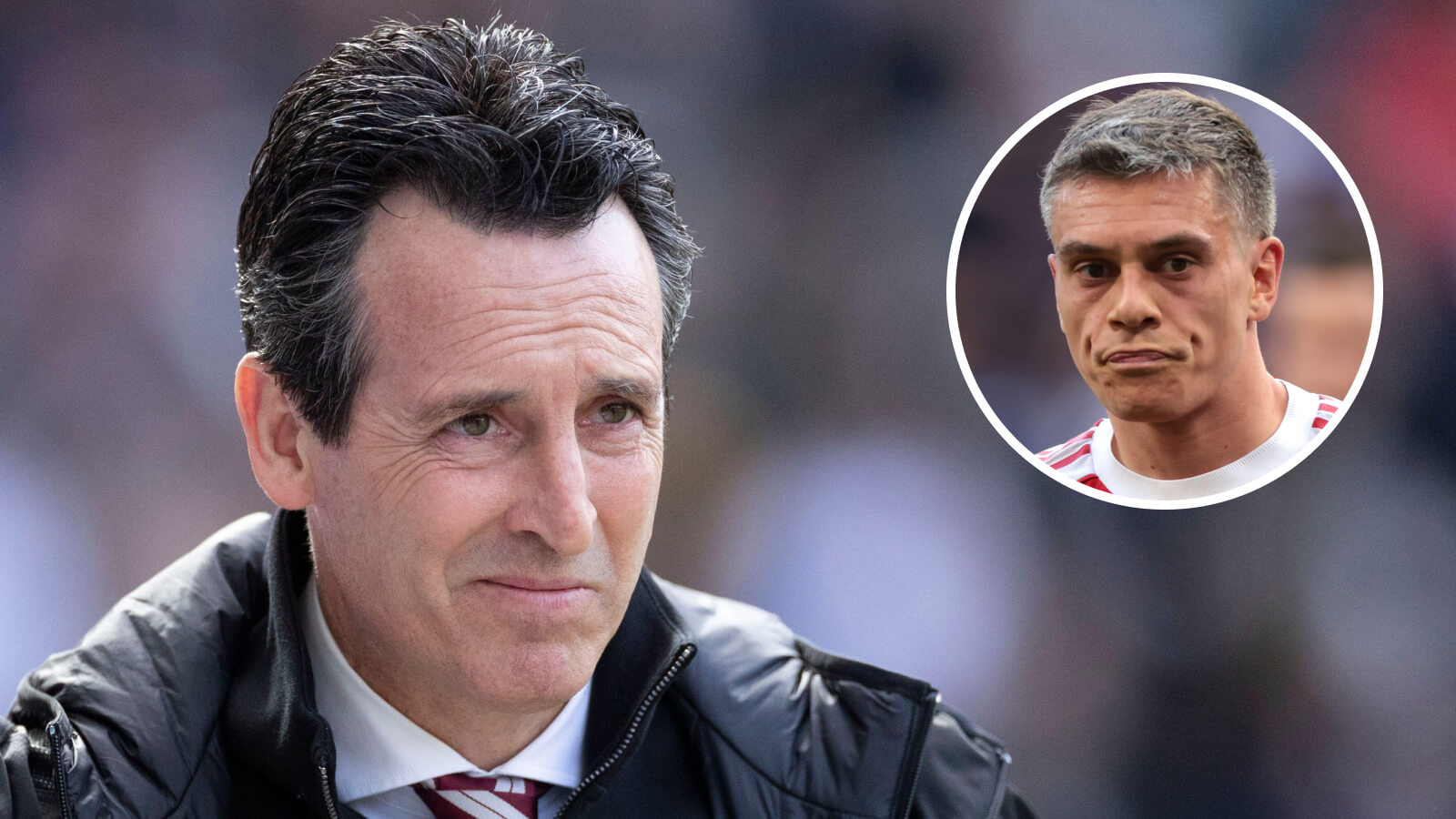
Enter Derek McInnes. Moving from Hearts compensation-paid to a three-year contract, McInnes arrives as a safe pair of hands in a volatile environment. Fans might remember his playing days at Ibrox, but nostalgia provides zero points on the table. The tactical board shows he has a steep hill to climb; the squad structure Röhl leaves behind was designed for transition, not the grit typical of a McInnes side. Kris Boyd might tout this as a long-awaited homecoming, but for the average supporter, it feels like the club is opting for known quantities during a period where ingenuity is at a premium.
Tactical clashes and institutional wear
Röhl’s period in charge was defined by a restless effort to instill a modern pressing identity, yet the results were inconsistently applied. The primary tactical failure was the disconnect between the high line required and the defensive personnel available. Moving forward, the adaptation to McInnes will test whether the current roster can pivot to a more pragmatic, direct style of play without sacrificing the individual creativity at the front of the formation.
There is also an elephant in the room regarding Ibrox standards. While the club manages its managerial merry-go-round, one must look at the comparative state of major clubs. Take Manchester United, for instance; the club is currently undertaking a massive project to relay their pitch for the first time in 14 years. While Rangers fans might argue their own issues are more immediate than turf quality, the contrast is stark. One club is obsessing over microscopic details like surface density while Rangers are still trying to find a manager who can see out a full season.
The McInnes mandate
McInnes faces a brutal initial schedule. His immediate task is winning over a fanbase exhausted by the churn of coaches. His previous tenure at Hearts demonstrated a tendency for low-block rigidity, which creates a significant risk of 'parked bus' optics if the squad struggles to break down lower-table opponents early in the campaign.
We have to be critical of the board’s lack of long-term planning here. Relying on poaching a rival manager when the season is just around the corner isn’t a sign of institutional health. If the first three months do not result in a higher points-per-game average than Röhl achieved late last spring, the board will have no cover left for their decision-making process.
My prediction? McInnes will secure early wins through sheer momentum and the 'new manager bounce,' but the tactical ceiling remains dangerously low for a club chasing top-tier European qualification. They will finish the first quarter of the season on 16 points from 9 games, struggling to balance the squad’s desire for pace against McInnes’s preference for containment. It marks a transition to a functional, if uninspired, era in Ibrox history.