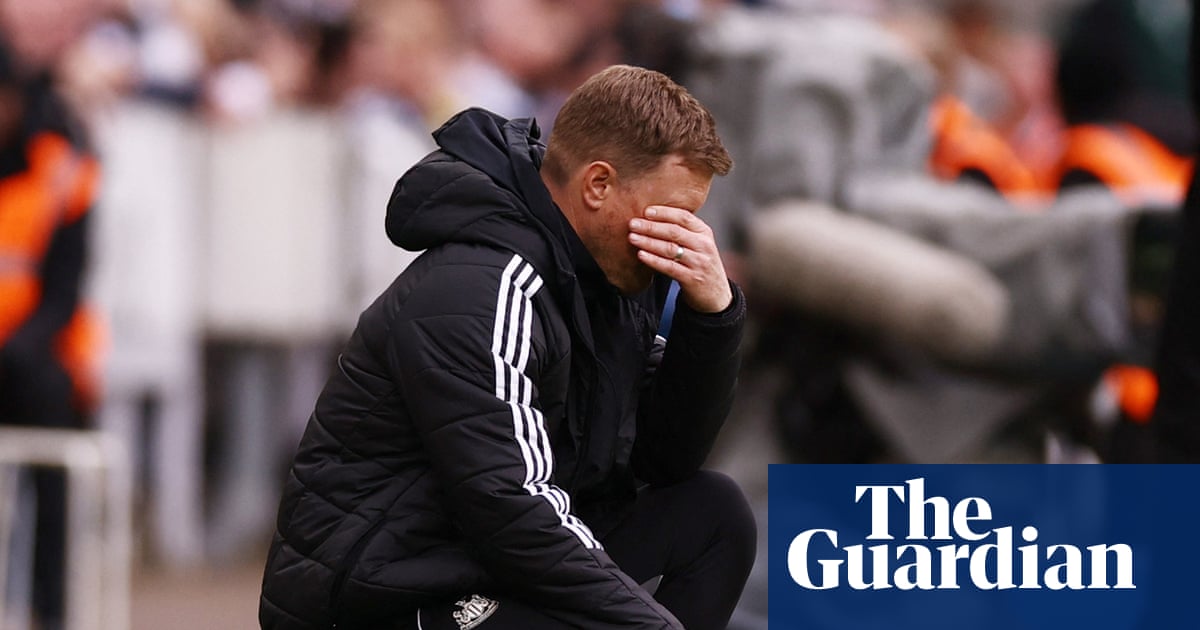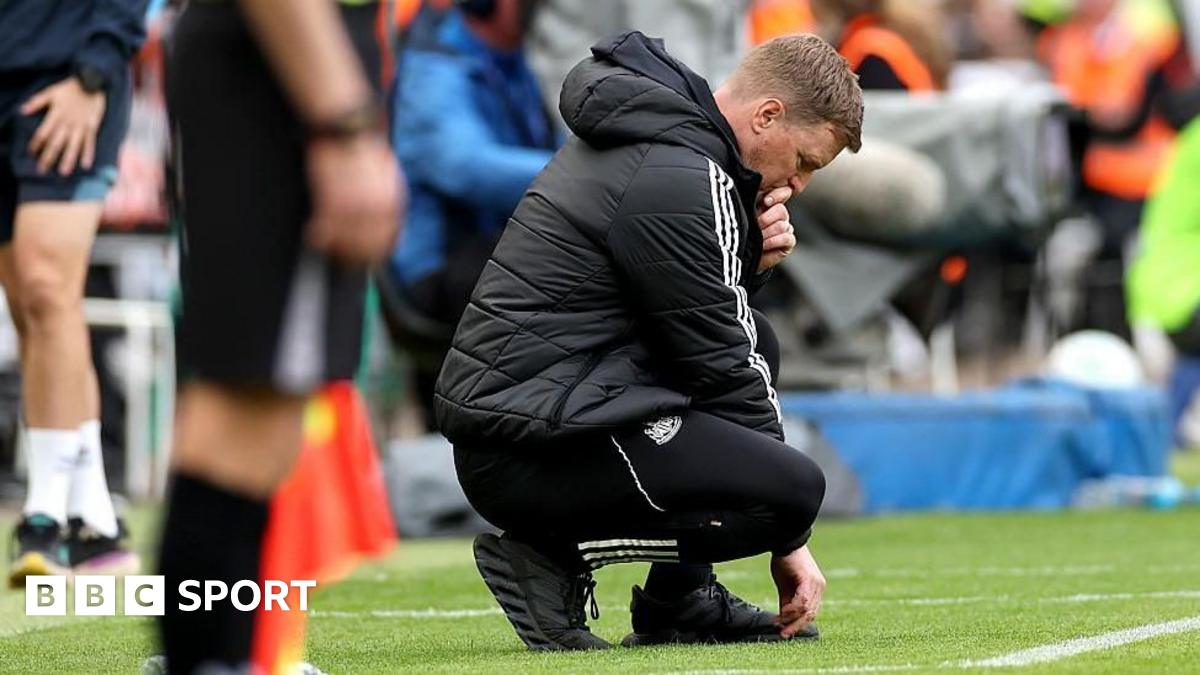
The end of the St James' Park fortress
Bournemouth’s victory at St James' Park this week solidified a bleak reality for Newcastle United. Losing 2-1 to the Cherries brings Newcastle’s winless streak into sharper focus, dropping them to 14th in the table. The tactical identity that defined Howe’s rise in the northeast appears extinguished.
Data points on the decline
The numbers reflect a team caught between two styles. Newcastle transitioned from a high-intensity pressing machine into a passive, reactive side that struggles to control the middle third. Bournemouth extended their unbeaten run to 13 games, a sequence that highlights the widening gap between a coherent tactical plan and Newcastle’s current disarray.
The defensive failure
Newcastle’s inability to organize is evident in their shot maps throughout this slump. They allow vertical passes through the pivot too frequently, leaving the back four exposed to runners in the half-spaces. The goals conceded in the 2-1 defeat serve as a masterclass in poor defensive spacing, with the Bournemouth attack exploiting gaps between the center-backs and full-backs.
Bournemouth extend their unbeaten run in the Premier League to 13 games after beating Newcastle 2-1 at St. James' Park.
Howe inherited a side that favored direct transition, but the squad lacks the necessary legs to sustain high-pressing cycles for ninety minutes. This fatigue manifests in the final 20 minutes of matches, where Newcastle’s expected goals against (xGA) spikes significantly. Defenders are dropping deeper in an attempt to protect the box, yet they are surrendering more quality chances than before.
Tactical stagnation persists
Opposition managers have identified the pattern. By initiating contact early and forcing Newcastle to defend deep, they nullify the St James' Park atmosphere. If Bournemouth’s victory is any indicator, the tactical blueprint for beating Newcastle is now open source. The regression from a Champions League spot to 14th in the standings is not merely bad luck—it is a failure of adaptation.
Passing completion rates for Newcastle midfielders have dipped by 6% compared to the same period last year. This isn't a dip in form; it is a fundamental shift in technical security. Without a recovery in possession metrics, they face a long finish to a season that promised much more in August.