The Big Picture
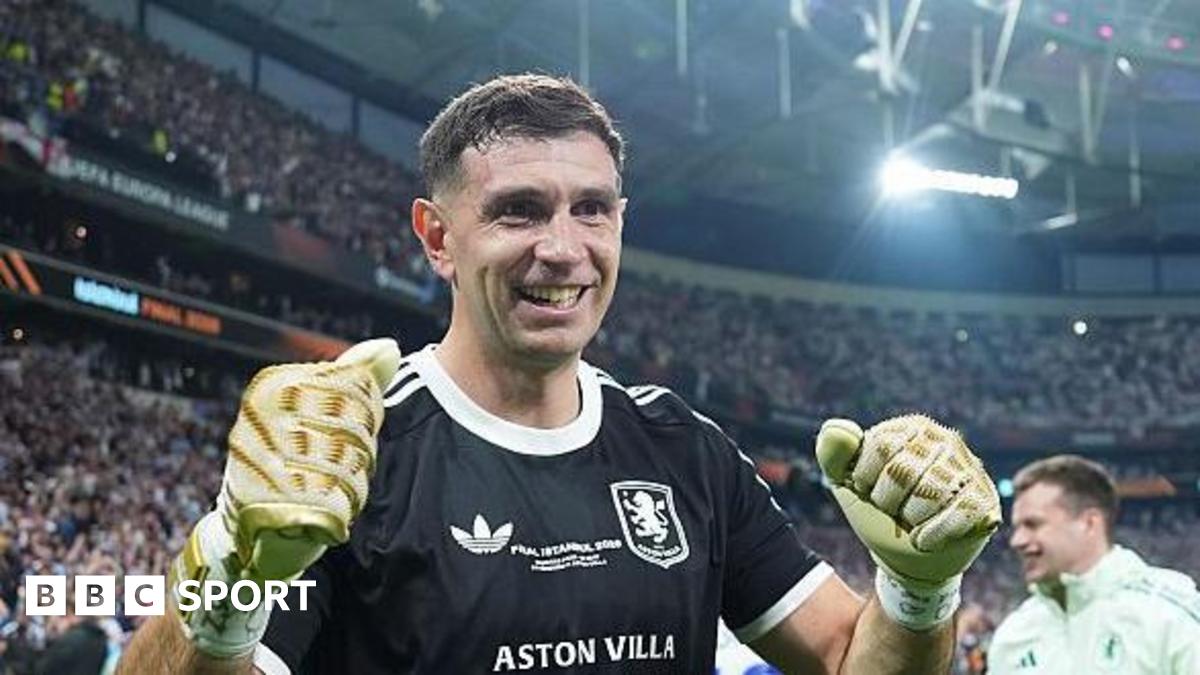
Aston Villa goalkeeper Emi Martínez secured his place in club folklore on Wednesday night, but the victory came at a physical cost. The Argentine international revealed following the 3-0 win over Freiburg in the Europa League final that he played through the pain of a broken finger.
Martínez kept a clean sheet at Besiktas Park, anchoring a defense that finally ended the club's 30-year trophy drought. The severity of the fracture, confirmed by the player himself, raises immediate questions regarding his availability for the upcoming international schedule and the physical demands of modern top-tier football.
Injury Context and Timeline
Broken fingers are notoriously disruptive for goalkeepers, impacting grip, ball handling, and the ability to punch clear high crosses under pressure. While professional medical staffs often utilize custom splints to allow players to compete in high-stakes matches, the long-term impact on a keeper's ability to safely distribute and catch can be significant.
There is no current word from the Aston Villa medical team regarding a recovery timeline or if surgery is required to set the bone. Given the proximity of the tournament summer, any required procedure would likely be scheduled immediately to ensure he avoids missing the start of the 2026/27 campaign.
The Tactical Burden
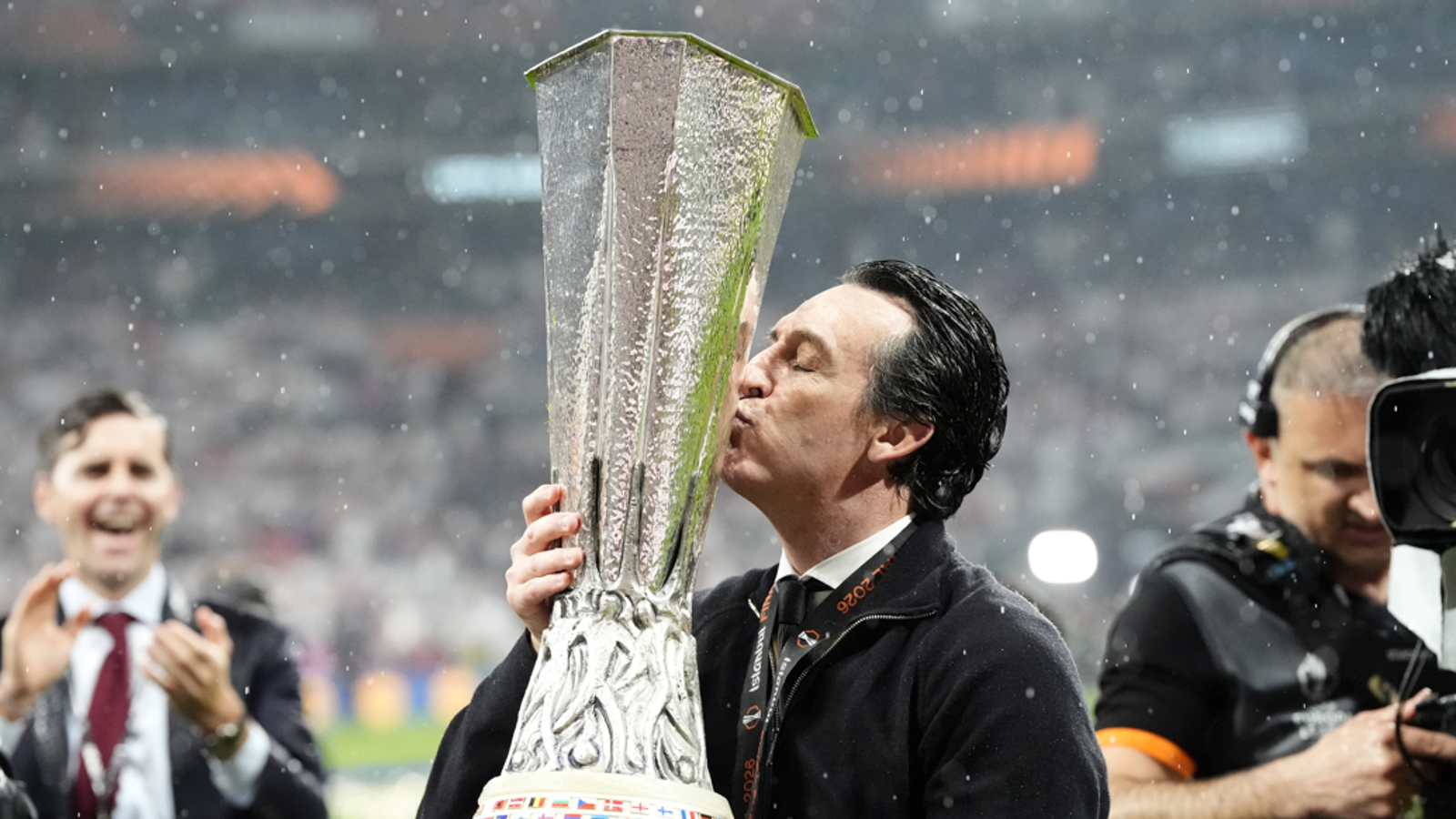
Unai Emery has demanded significant intensity from his squad throughout this grueling campaign. While this victory secures a trophy and adds to Emery's already legendary reputation in the competition, it highlights the risks of pushing an ageing squad to its threshold. Martínez playing through this injury is a testament to his commitment, but it also reflects the lack of rotation options the club faced in high-pressure cup fixtures.
The club now stands at a crossroads. As reported by The Guardian, Emery is already looking toward the Champions League, noting that "we are not going to stop" here. However, the physical state of key assets like Martínez must be addressed before the club can effectively transition from consistent Europa League contenders to established Champions League participants.
Industry and Strategic Impact
Competing through significant injury has become a polarizing discussion point in global football medicine. While supporters praise the warrior mentality, internal club risk management departments often view these situations as liabilities. If the finger fracture was mismanaged during the match, the potential for long-term nerve damage or chronic instability increases exponentially.
Villa must now weigh the prestige of having players perform in finals against the practical necessity of player longevity. The club's reliance on a core group of players has served them well in the short term, securing their first major trophy since 1996, but the 2026/27 season will demand a deeper rotation to sustain this output.
Historical Parallels
Playing through digit fractures is common in the Premier League, though rarely sustainable. In most cases, the injury leads to an extended absence during the off-season. Goalkeepers who have attempted to manage such injuries often cite increased difficulty during damp weather or cold-weather training sessions, where sensitivity in the finger joints can interfere with split-second reaction times.
Villa's management will likely err on the side of recovery. With a major European club title back in the trophy cabinet, the urgency to force a return to training is lower than it might have been during the final months of the domestic league season. The next 72 hours are critical for diagnostic imaging to determine the complexity of the fracture and whether conservative recovery is viable.
Read Next
- Aston Villa and Arsenal have finally broken their long-standing trophy droughts
- Unai Emery's Europa League dominance faces a final test in Dublin
- Aston Villa's summer plans hinge on Wednesday's Europa League final result
- Emi Martinez's broken finger will ruin Argentina's World Cup
- 🏆 Europa League Final 2026 — Full Coverage Hub