The tactical ceiling of the current England setup
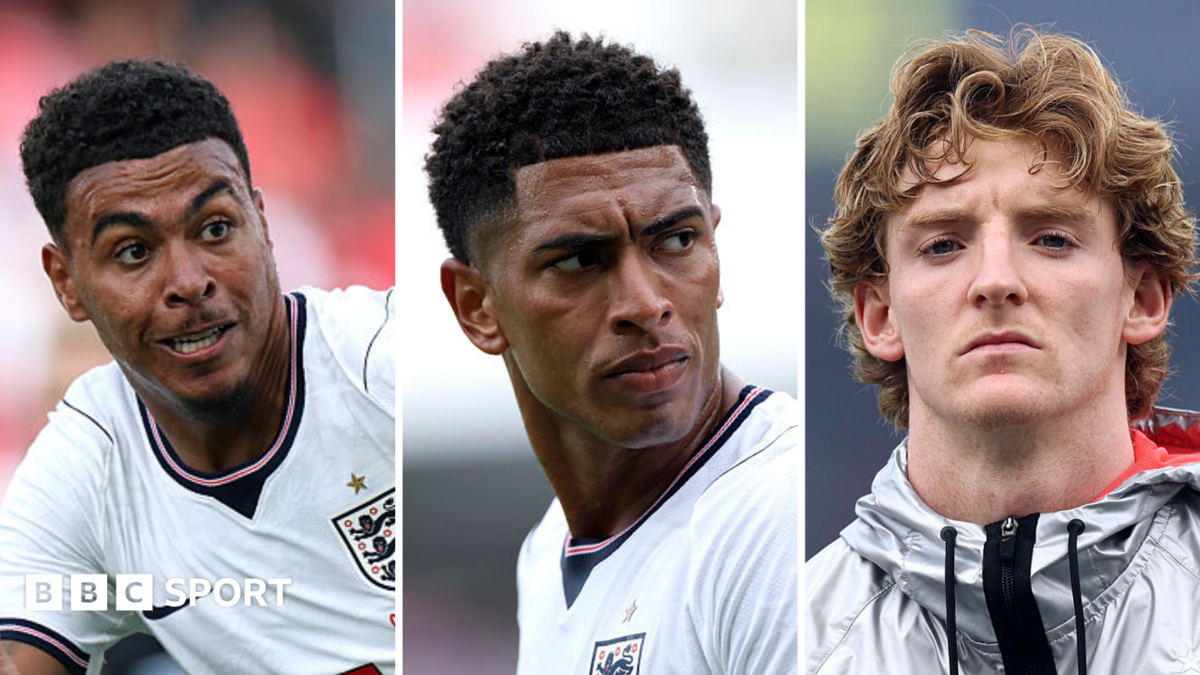
Gareth Southgate enters today's match against Croatia with his trademark caution, yet the murmurs of discontent are louder than ever. We have watched England oscillate between rigid defensive discipline and disjointed attacking sequences for far too long. As Sky Sports has noted, the lineup features Jude Bellingham, Noni Madueke, and Anthony Gordon, which suggests an intent to outrun the opposition through pure verticality.
However, fielding high-energy wingers is a cosmetic fix if the structural foundation remains stagnant. Southgate’s reliance on a double pivot in midfield creates a disconnect when the team enters the final third. Too often, the creative burden falls entirely on Bellingham to manufacture space out of thin air. Statistics from the qualifying stretch indicate the team is averaging fewer touches in the opposition area than rivals of similar quality.
Midfield transitions and the risk of exposure
Croatia remains a masterclass in controlled possession. Luka Modrić does not need to run at top speed to dismantle a lopsided midfield pairing; he hunts the pockets of space left behind by full-backs who are caught too high. If England loses the ball in the transition, the lack of a true defensive screen between the center-backs and the midfield pivot will be exploited.
The defensive metrics are alarming. During the last three competitive outings, the high-press efficiency dipped below 40 percent whenever the opponent prioritized long-ball outlets over short buildup play. Southgate has opted for a system that asks for recovery pace from his defenders rather than calculated positioning from his holding midfielders. It is a gamble, and one that against a side like Croatia often results in a 1-1 stalemate or a narrow loss.
The individual brilliance dilemma
The selection of Gordon and Madueke indicates a shift toward pace, yet pace is useless without synchronized movement. We have seen England look lethal in snippets—specifically when Bellingham carries the ball through the half-spaces—but the lack of secondary runs is a recurring flaw. Without a structured attacking pattern, we rely on individual talent to bail out the board.
The lack of a contingency plan when the opponent clogs the middle is the hallmark of a side that is effectively coached into a box. If Croatia sits deep and forces the play wide, the crossing frequency increases, but the Expected Goals output rarely follows. This is not championship football; it is a regression into hoping the talent gap eventually overcomes the tactical disparity.
Prediction: A point that feels like a defeat
Expect a cagey opening thirty minutes where neither side dictates the tempo. Croatia will invite the pressure, force England to move the ball horizontally, and wait for the inevitable defensive lapse in the 68th minute. Southgate lacks the flexibility to adjust the formation mid-game, leading to a predictable rotation of bench options that rarely changes the outcome.
My call? A frustrating 1-1 draw that leaves the manager answering questions about his loyalty to a failing system. England has the individual parts, but the sum remains stubbornly average. The data doesn't lie, and right now, the data points to a team stuck in neutral.
Read Next
- Gareth Southgate's tactical rigidity is suffocating the Three Lions
- England vs Croatia: Why the midfield battle is turning into a total car crash
- England vs Croatia: Why the off-pitch noise threatens to derail the opener
- England versus Croatia is pure nightmare fuel
- 🏴 England World Cup 2026 — Three Lions Hub
- 🇭🇷 Croatia World Cup 2026 — Modrić's Farewell