Four goals hide the defensive gaps
England opened their campaign with a 4-2 victory over Croatia in Dallas, yet the scoreline tells a lopsided story. While the attack produced enough clinical output to secure three points, the defensive metrics suggest a team living on the edge. Allowing two goals in a group-stage opener against a disciplined midfield unit is not the start a title contender wants.
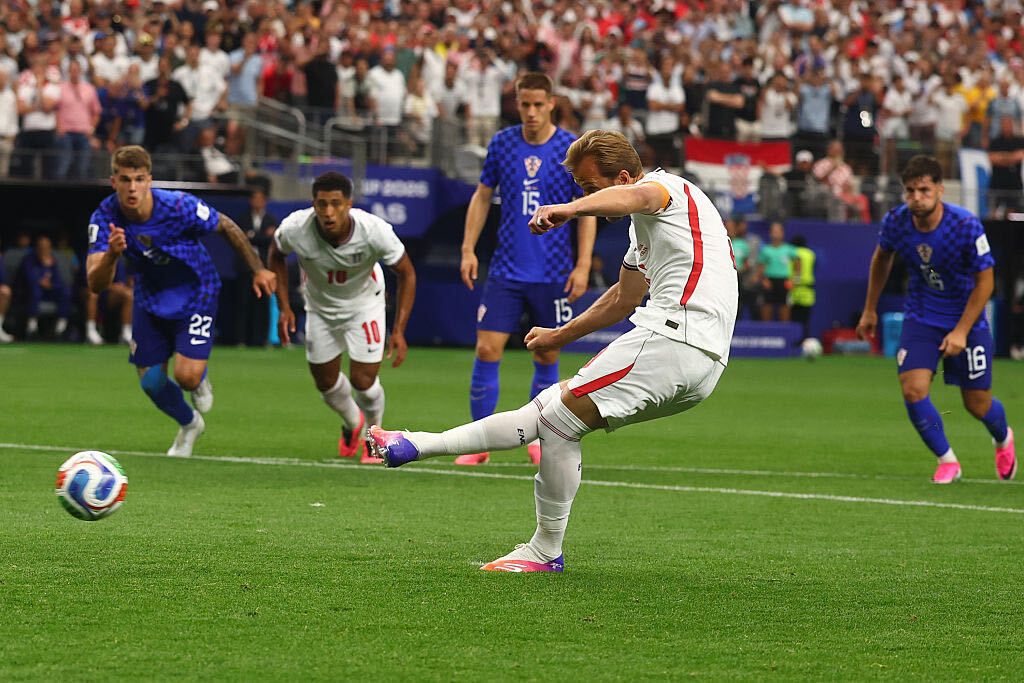
The match was defined by a chaotic officiating moment in the first half. Harry Kane missed his initial spot-kick, but referee intervention provided a second attempt due to encroachment. This specific penalty sequence effectively shifted the momentum of the game, turning a potential stalemate into a cushion that England barely maintained.
The Kane and Bellingham show
When you break down the individual contributions, the reliance on high-profile talent is clear. Kane and Jude Bellingham were the primary engines, repeatedly breaking lines and forcing the Croatian backline into panicked clearances. However, dependence on two players to manufacture every goalscoring opportunity is rarely a winning strategy for an entire tournament run.
As noted in the analysis of the penalty retake, these small margins dictate results at the elite level. Without the officiating favor granted at the spot, England might have dropped points. Relying on re-takes and individual brilliance isn't a long-term plan for navigating the knockout stages.
Defensive ratings point to trouble
The post-match ratings reveal a damning consensus regarding the rear-guard. Three players failed to crack a 5/10 rating, signaling a breakdown in communication and defensive discipline. Allowing two goals against a side like Croatia—a team that historically relies on possession rather than raw pace—indicates structural issues in transition.
Looking at the secondary statistics from the match, the ratio of chances conceded to shots on target was unusually high for England. Any opponent with a more clinical finisher than those found in the Croatian ranks would have punished the space left behind by the high-pressing fullbacks. The team looked disjointed whenever the initial press was broken, leaving holes that were exploited twice in ninety minutes.
The 4-2 scoreline buys the squad time, but it does not fix the underlying issues. If England cannot secure the defensive third against organized opposition, the tournament prospects will hit a wall in the next round. Winning games is essential, but the current defensive output against 11 men suggests that the tactical foundation is leaking before the knockout stages even arrive.
Ultimately, getting off to a winning start in Group L is valuable, yet manager-level decisions regarding this backline will be the defining factor for the remainder of the summer. The team displayed clear offensive chemistry, but the inconsistency shown by the lower-rated performers is a red flag. Expect rotation in the next match to address these glaring gaps in performance.
Read Next
- Thomas Tuchel actually has a pulse and England fans should be terrified
- England’s defense is still a total circus despite that Croatia win
- England's four-goal blitz proves they are finally playing for keeps
- England vs Croatia: Why the midfield battle in Dallas matters
- 🏴 England World Cup 2026 — Three Lions Hub