Tactical friction in Group L
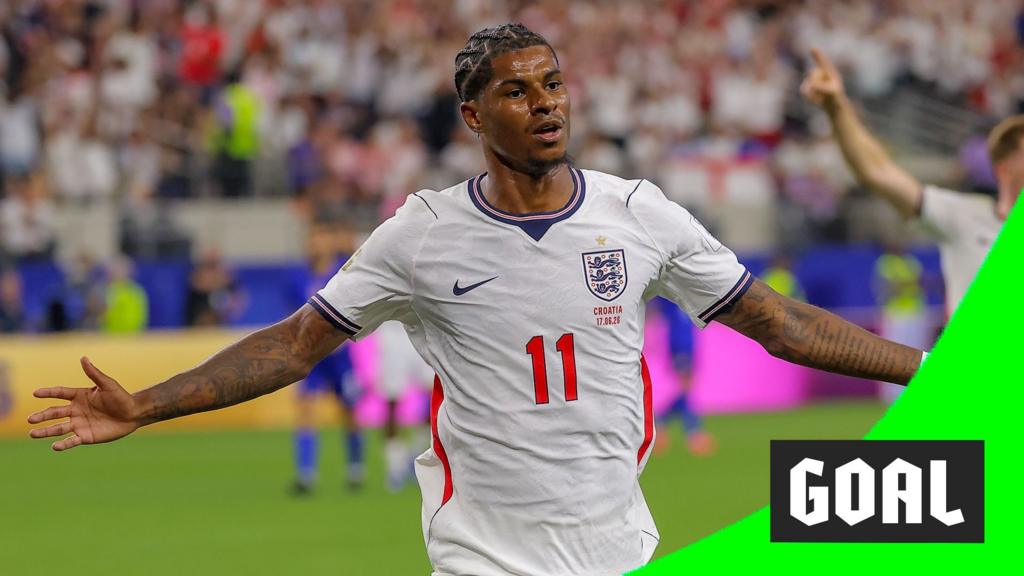
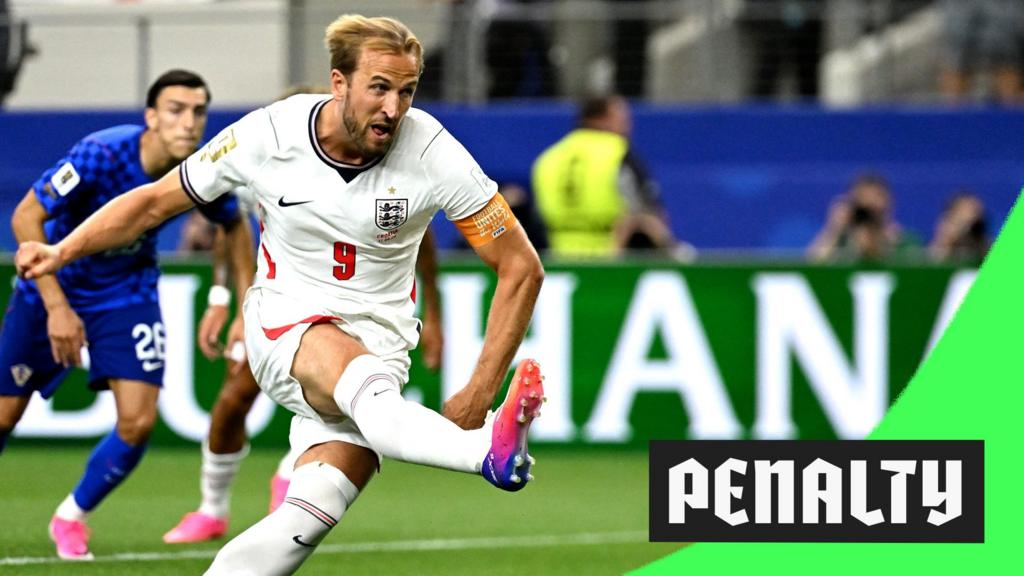
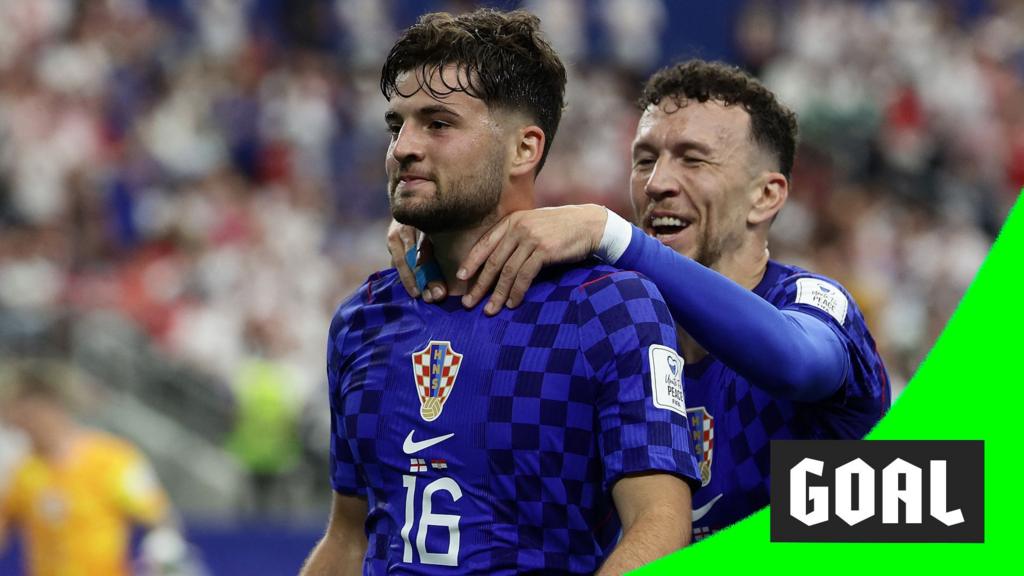
England’s opening World Cup performance against Croatia underscored a persistent issue in Gareth Southgate’s tactical setup: the lack of a definitive transition mechanism. While the team showed early control, their inability to snuff out long-range threats allowed Martin Baturina to punish them from depth.
The equalizer at Dallas Stadium was not a freak occurrence. England’s defensive block sat consistently deep, creating a pocket of space between the back four and the holding midfielders. Baturina recognized this alignment pattern by the 68th minute, stepping into the void to strike.
The Baturina variable
Watching the tape, Baturina’s movement consistently pulls England’s holding midfielders out of their shape. He operates as an inverted playmaker, effectively overloading the central channels. You can catch the breakdown of the goal sequence in this BBC match footage.
Should England persist with a dual-pivot system, they invite teams to test them from distance. Defensive discipline in the final third must improve to stifle these vertical service lines. If the center-backs do not step up, expect further concession of space in the 20-yard zone.
Points of concern for Southgate
The reliance on individual moments of brilliance is an unstable foundation. England's expected goals metrics have drifted downward since the opening qualifying rounds, hovering around an average of 1.42 per competitive match.
This stagnation manifests as a lack of creative options when the press becomes narrow. Players often resort to lateral passing cycles instead of penetrating the half-spaces. If they fail to manipulate the defensive lines of their next opponent, the group stage proceedings will remain unnecessarily tense.
Prediction
England will likely adjust their press to prevent Baturina from finding space. A more aggressive stance from the midfield pivots is required to force turnovers before the final third. I anticipate a cleaner execution, resulting in a narrow 2-1 victory for England.
Read Next
- England vs Croatia: The math behind Tuchel's Texas opener
- Tuchel faces a Croatia litmus test in his tournament debut
- England faces an identity crisis against Croatia
- Thomas Tuchel's England gamble is struggling against a technically superior Croatia
- 🏴 England World Cup 2026 — Three Lions Hub
- 🇭🇷 Croatia World Cup 2026 — Modrić's Farewell