
Ghana’s stoppage-time strike exposes a cynical tactical reality
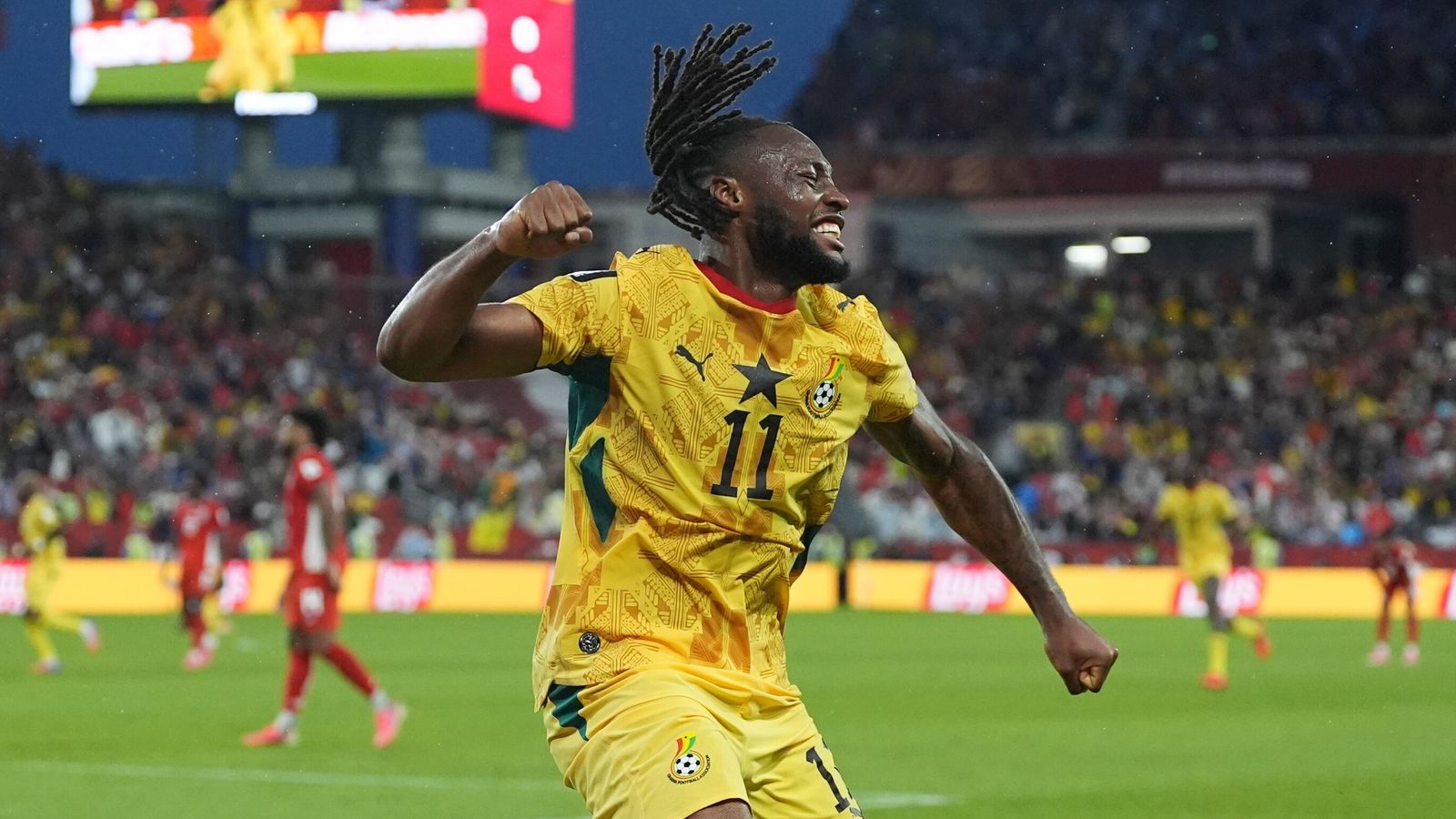
Group L’s grim tactical snapshot in Toronto
The fixture list for Group L initially promised a clash of styles, yet the reality in Toronto proved far more suffocating than the pre-match hype suggested. As reported by Sky Sports during the buildup, the anticipation was heavy, but the actual execution on the pitch prioritized structural preservation over creativity. It was a classic tournament opener where both sides seemed terrified of losing rather than desperate to win.
For 94 minutes, Panama successfully neutralized the threat through a low-block defensive shell. They conceded 72 percent of possession to Ghana but refused to be pulled out of their shape, relying on disciplined backtracking and a lack of creative central progression from the Ghanaian midfield to keep the scoreline level.
The cost of passive accumulation
This match served as a clinical study in why purely defensive setups fail when the opposition finally finds a rhythm. Panama lacked the press triggers to force turnovers in advanced areas, choosing instead to drop eight players behind the ball. While this keeps the shots taken inside the box to an absolute minimum, it invites a secondary phase of pressure that eventually causes concentration to lapse.
Caleb Yirenkyi’s goal in the 95th minute was less a failure of individual defending and more a failure of collective stamina. By conceding the entire pitch, Panama ensured they were chasing shadows for the duration of the 90 minutes. You cannot expect tired legs to maintain a perfectly rigid line during the final moments of added time when the pressure is relentless.
Reflections on the refereeing and broadcasting narrative
The discourse surrounding this match was bizarrely focused on logistics before the first whistle even sounded. Detailed coverage from FourFourTwo spent more column inches discussing the studio pundits and commentary team than the tactical implications of Group L. When the focus shifts to who is sitting in the studio chairs rather than how Ghana plans to break down a five-man backline, the game itself feels secondary to the media presentation.
Furthermore, the assignment of the officiating crew, also analyzed by FourFourTwo, became a talking point that distracted from the lack of cutting edge on display. The game required a referee to manage time-wasting effectively, yet the late goal highlights that waiting for the whistle is never an effective strategy for an underdog.
The missed opportunity for Panama
Denying Panama their first-ever World Cup point in this manner is a cruel result, but it is one they effectively invited through their own passivity. The reports following the match confirm the heartbreak of the scoreline, but there is no tactical excuse for failing to utilize the counter-attack when holding a clean sheet for the duration of the regulation time.
If you play for a draw from the opening whistle, you lose your right to complain about officiating or late lapses in concentration. Ghana was equally uninspired for the majority of the match, but they consistently pushed the ball into the final third. By the time Yirenkyi finished from close range, Panama had long since conceded their role as a proactive participant in their own success.
Read Next
- Ghana just robbed Panama in the most soul-crushing way possible
- Ghana and Panama just played the worst 90 minutes of the World Cup
- Ghana faces a tactical void as the Partey saga hits Toronto
- Ghana and Panama face a technical deadlock in international friendly
- 🇬🇭 Ghana World Cup 2026 — Black Stars Hub
- 🏴 WC 2026 Group L — England, Croatia, Ghana, Panama
Frequently Asked Questions
How did Ghana secure the victory against Panama?
Why did Panama's defensive strategy fail in the final minutes?
What percentage of possession did Panama concede to Ghana?
How did the media coverage impact the narrative of the match?
What was the result for Panama in their Group L opener?
More Coverage
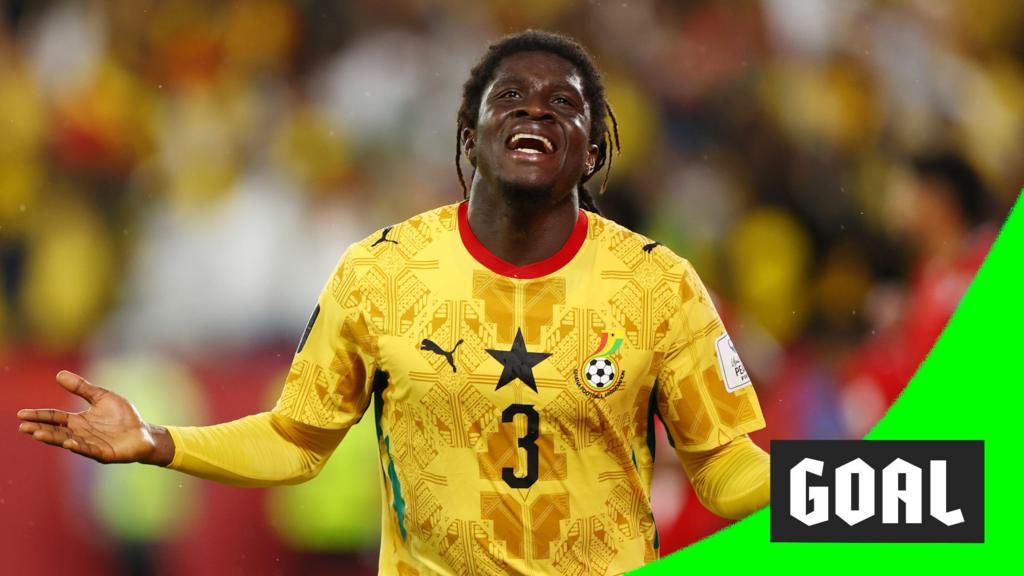
Ghana just robbed Panama in the most soul-crushing way possible
2 hours agoEngland's defensive shape is still a total disaster
6 hours ago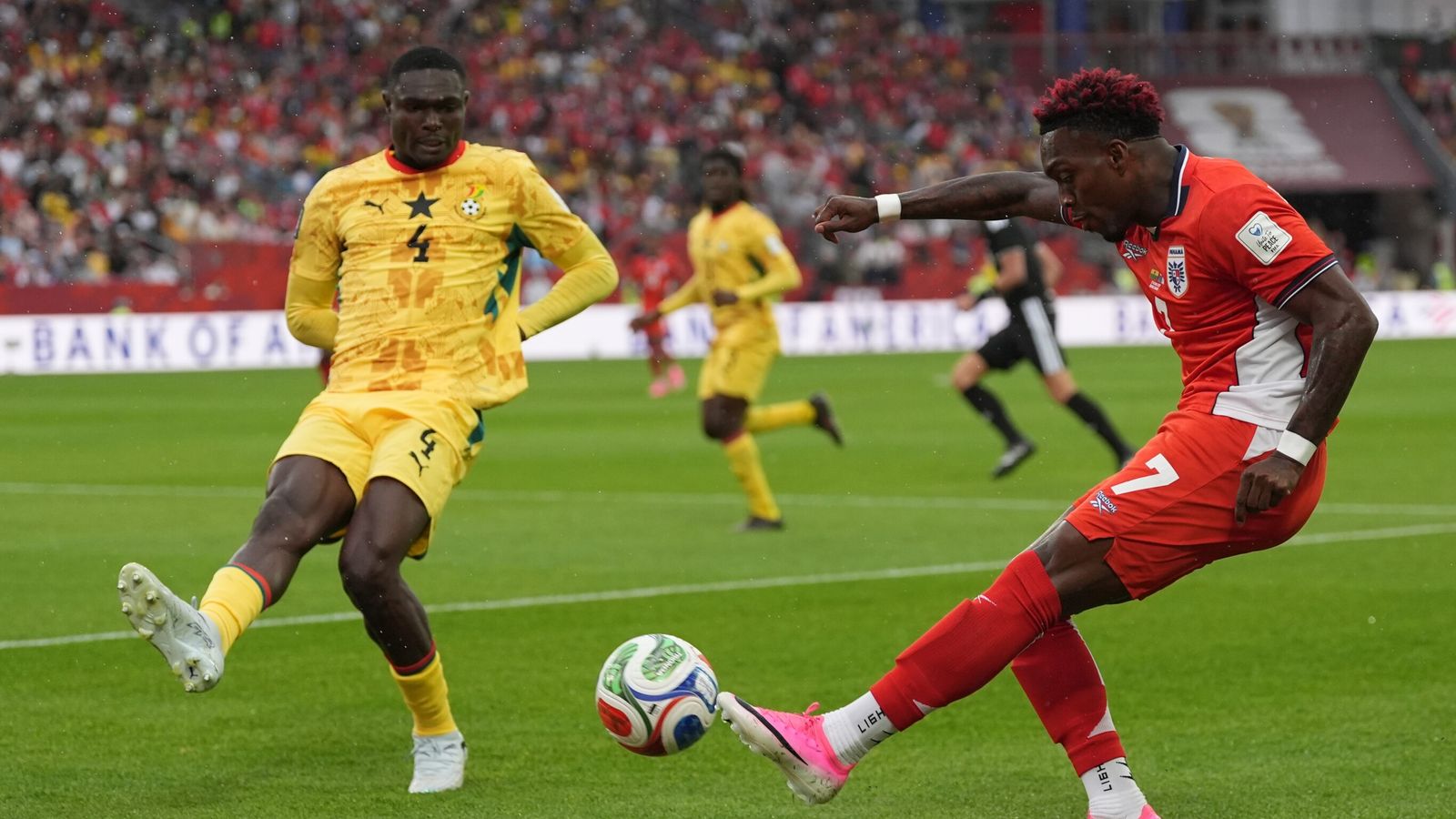
Ghana and Panama just played the worst 90 minutes of the World Cup
6 hours ago
Ghana and Panama face a technical deadlock in international friendly
6 hours ago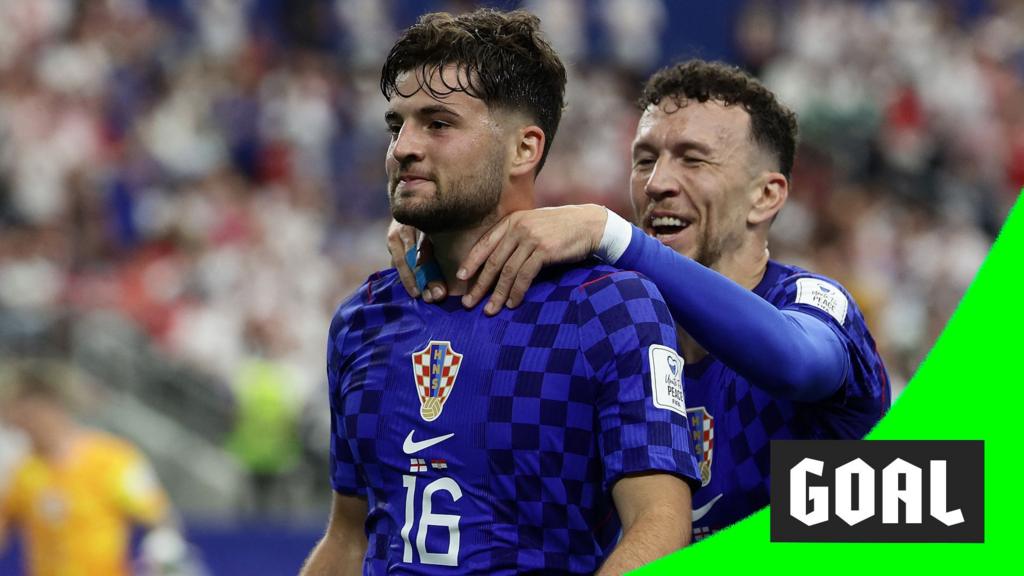
England vs Croatia: Why the midfield battle in Dallas matters
7 hours ago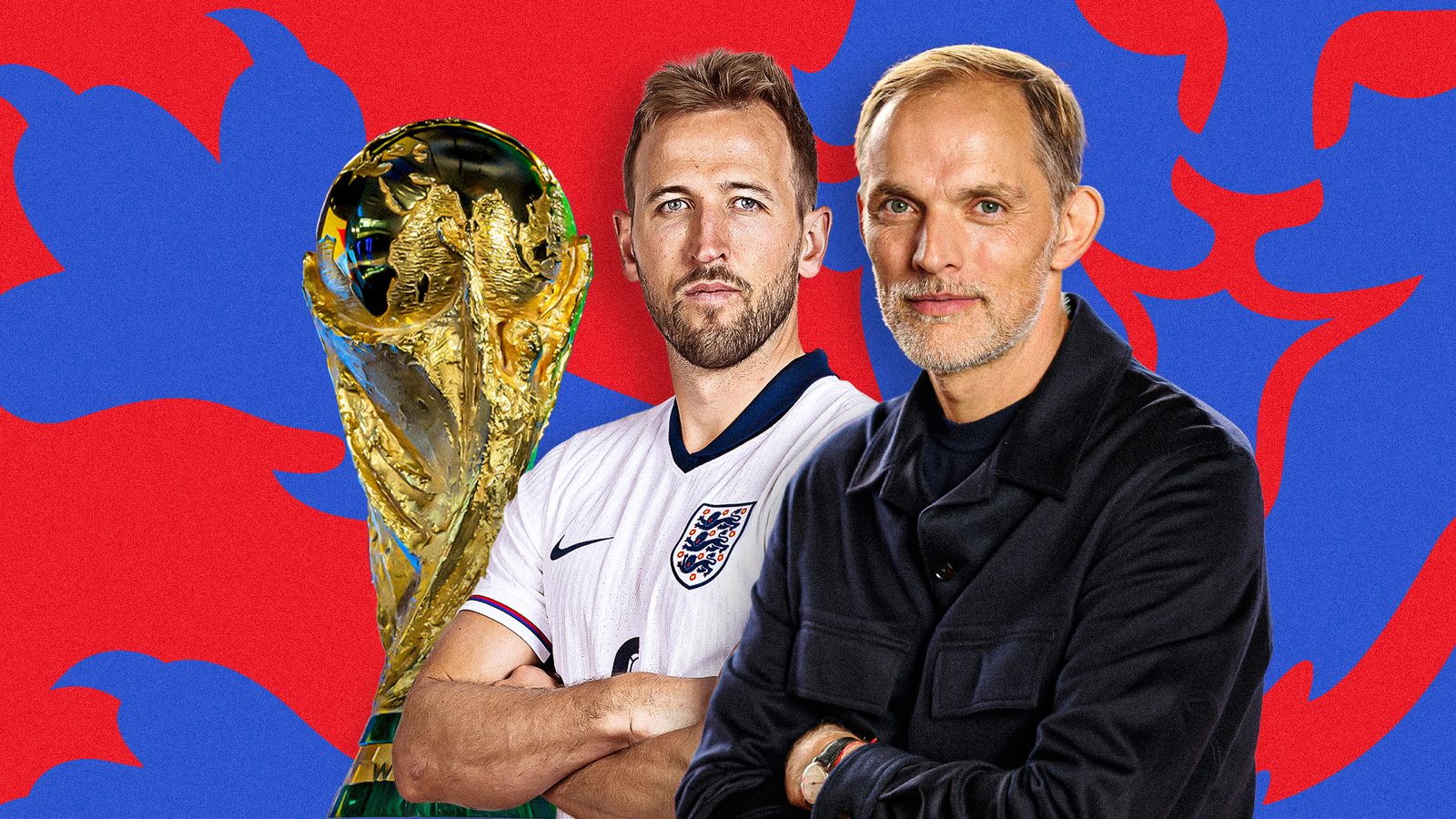
Tuchel faces a Croatia litmus test in his tournament debut
7 hours agoMore Analysis
Luis Diaz is carrying the Colombia offense on his back
an hour ago
Colombia showed Uzbekistan why tournament experience is everything
an hour ago
Uzbekistan are the World Cup's biggest mystery
an hour ago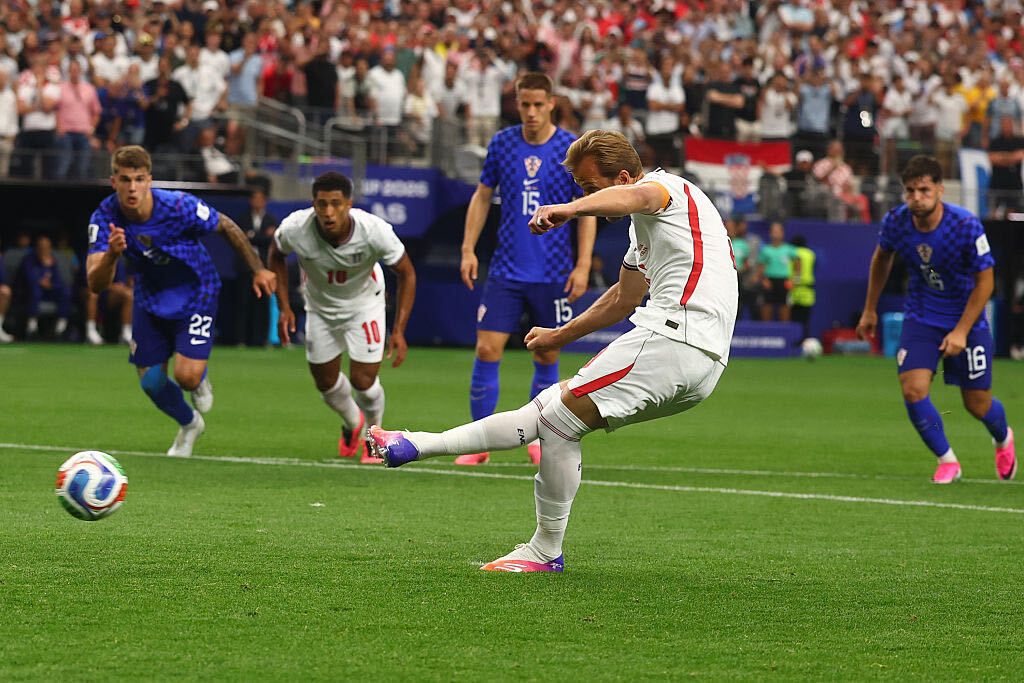
England's defensive fragility remains a problem despite the 4-2 win
an hour ago
The fading light of Cristiano Ronaldo’s final World Cup act
an hour ago