The U23 silverware that everyone is fighting about
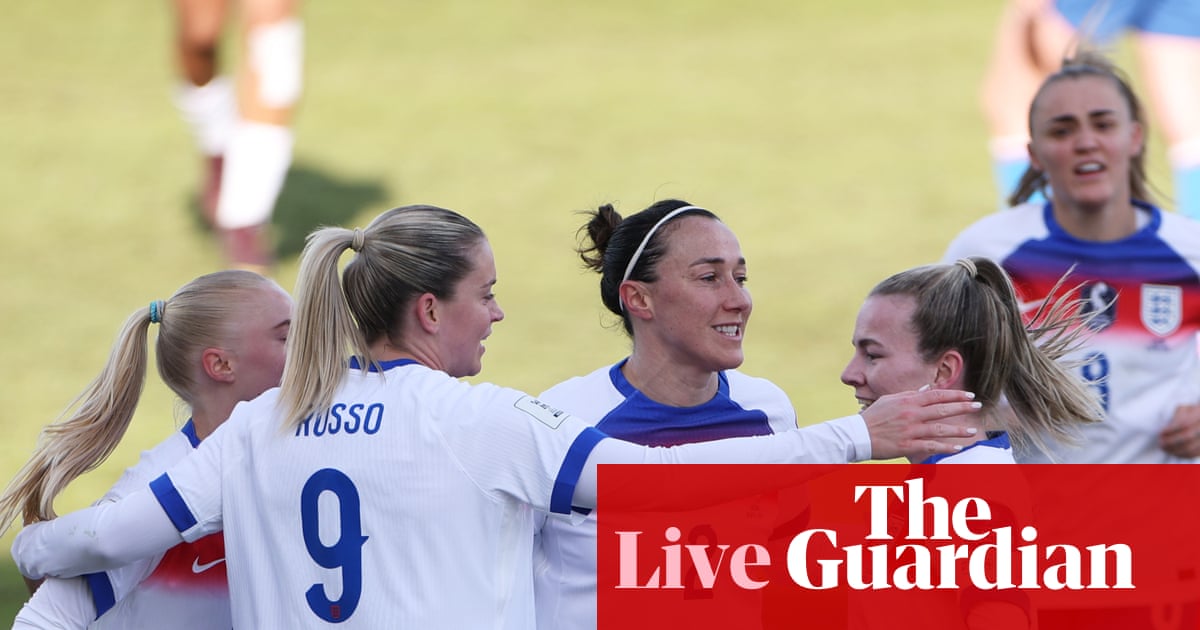
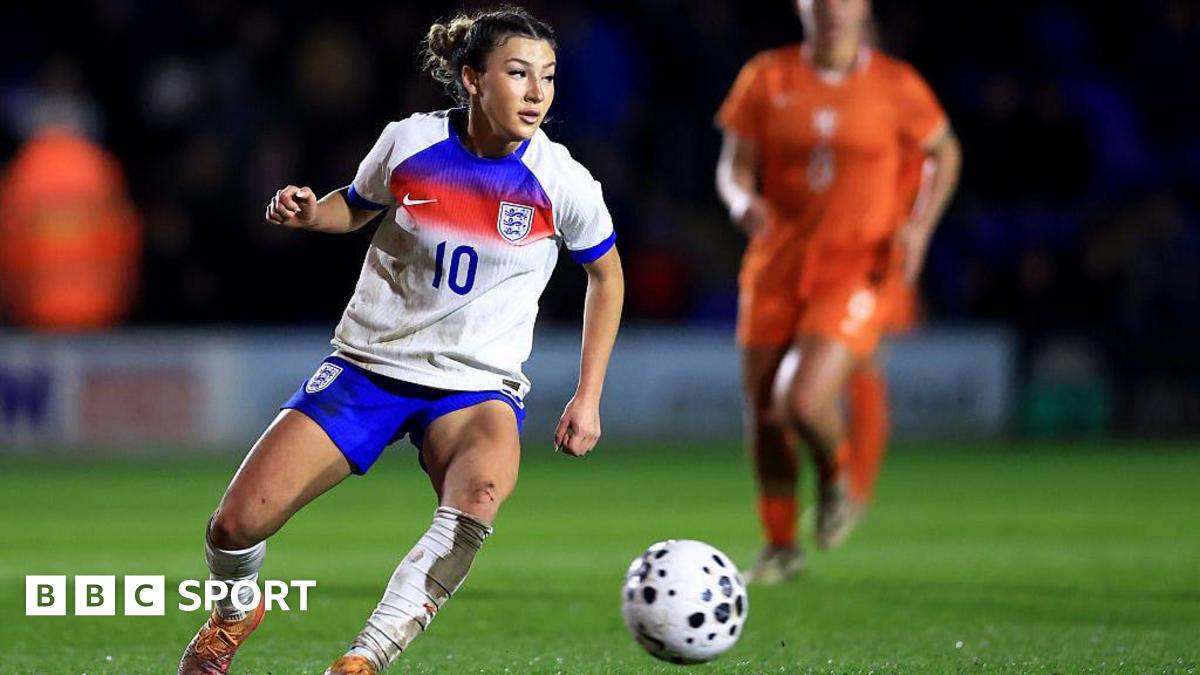
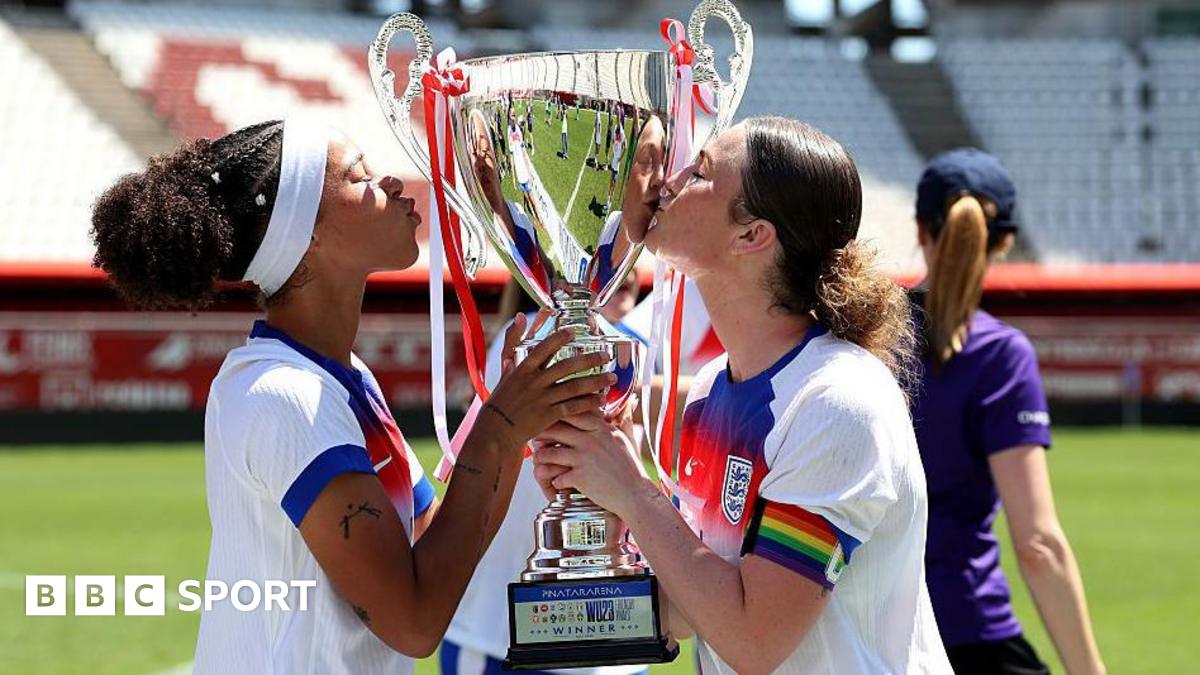
England Women Under-23s just put a 3-0 beating on Sweden in the European Competition friendly finals, and the corner of the internet that actually follows youth development is currently in a full-blown civil war. It is the classic international football cycle. One day we are complaining that there is no path to the senior squad, and the next we are crowning twenty-year-olds as the saviors of the 2027 World Cup cycle because they won a trophy in a tournament that most people did not know existed until three hours ago.
The result itself is objectively hilarious. Beating Sweden 3-0 at any level is usually a grueling exercise in breaking down a yellow-and-blue brick wall. Instead, the Young Lionesses treated the Swedish defense like a legacy codebase full of deprecated functions. It was clinical, it was slightly mean, and it has sent the 'Golden Generation' enthusiasts into a frenzy. We are seeing a level of depth in the English system that makes other European nations look like they are still trying to run modern software on a Commodore 64.
The 'Future is Now' crowd vs the 'It is just a friendly' killjoys
If you head over to any decent forum right now, the takes are split into two very predictable camps. You have the enthusiasts who are already drafting the resignation letters for half the senior squad. Their argument is simple: the gap between the U23s and the senior team is closing so fast that the transition should be happening yesterday. They see a 3-0 victory over a top-tier nation as proof that the technical ceiling of this group is actually higher than the current Euro winners. They are pointing at the fluidity of the movement and the lack of fear as evidence that the system is finally 'overfitting' for success.
Then you have the skeptics, the people who remind you that a 'friendly final' is essentially the football equivalent of a participation trophy with better marketing. These are the folks who point out that Sweden might have been experimenting with their own tactical quirks. They argue that youth success is often a false signal, a hallucination in the data that disappears the moment these players face the physical reality of senior international football. They are not impressed by silverware that does not come with a UEFA coefficient or a major broadcast deal.
Why the Swedish collapse is a genuine red flag
We need to talk about Sweden. For years, the Swedish youth system was the benchmark for technical consistency. Seeing them shipped three goals in a final suggests that the Scandinavian model might be reaching a point of diminishing returns. The Swedish fans on social media are not taking this well. There is a lot of talk about a lack of 'bite' and an obsession with structure over individual brilliance. When an England side can basically walk through your midfield in a final, you have to wonder if the training methods are stuck in 2018.
My analysis of this is a bit more cynical. The English U23s look better because they are playing in a league system that is now the most competitive on the planet. These players are getting minutes against world-class internationals every weekend in the WSL. Sweden, meanwhile, is seeing its best young talent diluted across smaller European leagues. It is not just about the coaching; it is about the environment. England has turned their youth pipeline into a high-performance compute cluster, while everyone else is still waiting for their data to load.
The technical gap and the senior transition problem
The real issue here is the 'Valley of Death' that exists between the U23 level and the senior Lionesses. History is littered with youth champions who disappeared the moment they had to fight for a spot against established veterans. You can win all the European Competition friendly finals you want, but if Sarina Wiegman has her starting eleven set in stone, this trophy is just a nice bit of desk decoration. The enthusiasts claim the senior team needs a refresh, but the skeptics correctly point out that experience is the only currency that matters in a tournament knockout game.
I lean toward the skeptics on the 'readiness' factor but side with the enthusiasts on the talent ceiling. The way England kept a clean sheet and managed the tempo for the full ninety minutes was not just about better fitness. It was about a collective football IQ that we usually do not see in this age bracket. It looked like a senior team playing in slow motion. If this group can maintain this level of discipline without losing their creative edge, the transition might be less of a 'cliff' and more of a natural evolution.
Is this actually a golden generation or just good branding?
We love the term 'Golden Generation' because it makes us feel like we are witnessing something unique. But let us be real: every four years we find a new group of teenagers and project our collective hopes onto them. The danger of this 3-0 win is that it creates an expectation of dominance that these players might not be able to sustain. One bad performance in a qualifying match and the same fans currently calling them 'the future' will be the first ones to label them as overhyped failures. It is a brutal cycle that shows no signs of slowing down.
One critical observation from the final: England still looks a little too reliant on individual errors from the opposition. While the scoreline was emphatic, two of the goals came from Swedish defensive lapses that you simply will not see at the senior level. A better team would have punished England for their high line in the first half. We are celebrating a three-goal margin, but a smarter analyst would look at the transitional moments where Sweden almost broke through. We are not invincible yet, even if the scoreboard says otherwise.
Final verdict: Should we actually care about this trophy?
In the grand scheme of things, this victory is a data point, not a destination. It tells us that the English pipeline is healthy and that the depth is terrifying for other nations. But it does not guarantee anything for 2027. The most interesting part of the fallout is seeing how the fans are using this result to bash the senior team's recent tactical choices. It has become a proxy war for people who want more 'vibes' and less rigid structure in the main squad.
The contrarians are probably right when they say that development is more important than trophies at this level. If winning this final means these players stop pushing themselves because they think they have 'made it,' then the trophy is actually a net negative. But if they use this as a baseline, a proof of concept for their own potential, then we might actually be looking at something special. The Swedish fans can complain about the 'friendly' nature of the tournament all they want, but at the end of the day, England walked away with a zero in the goals-against column and a very shiny piece of metal.
The debate will keep raging until the next senior international break. Until then, the Young Lionesses can enjoy their moment in the sun. Just do not expect the skeptics to stop checking the 'friendly' disclaimer on the trophy cabinet. We are a nation of extremists; we either think we are the best in the world or we think the entire system is a scam. This 3-0 win just gave both sides enough fuel to keep the argument going for another six months.
Read Next
- James Wilson's quiet path from Tynecastle to North London
- Man Utd’s Champions League hopes now rest on surviving a Martinez-shaped void
- Carrick's United head to Stamford Bridge with everything to prove
- Erling Haaland's fitness is the only thing keeping the title race alive
- 🏴 England World Cup 2026 — Three Lions Hub