St Stamford Bridge drama
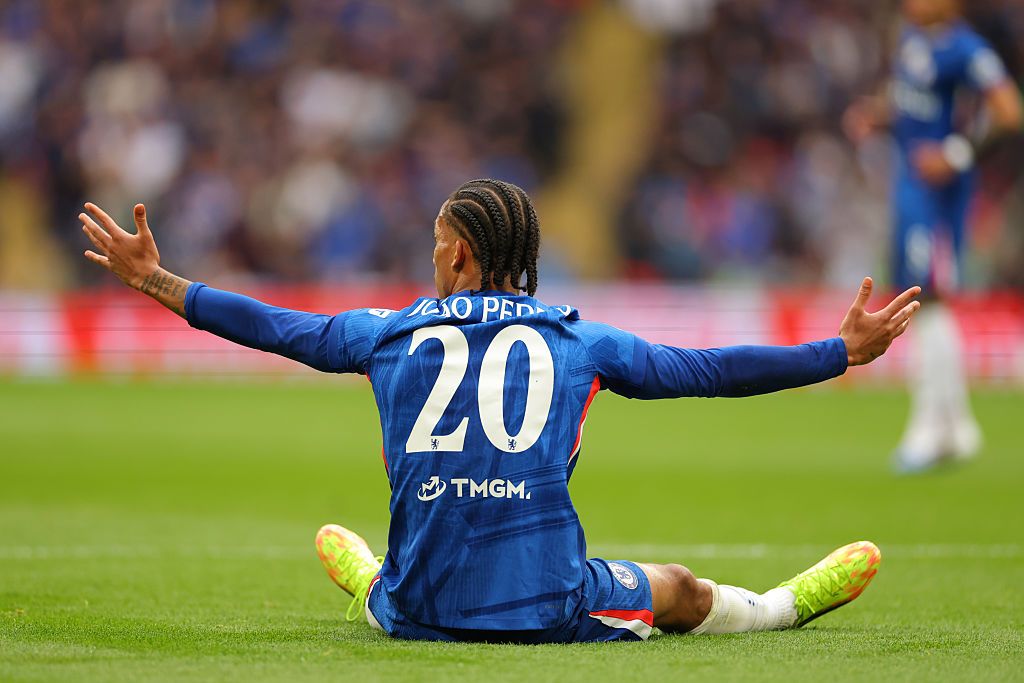
Chelsea winger Estevao was substituted prematurely during the Premier League clash against Manchester United at Stamford Bridge on April 17. The Brazilian attacker limped off the pitch, leaving coaching staff visibly frustrated as he headed toward the tunnel for medical evaluation. Initial assessments conducted immediately following the match suggest a lower-body soft tissue complication.
The timeline for return
While the club has yet to issue an official medical bulletin, sources close to the training ground indicate the staff is preparing for a multi-week recovery period. If the recovery follows a standard high-grade strain timeline, Estevao faces an uphill battle to feature in any further competitive matches this season. The timing is particularly poor, arriving exactly 40 days before the 2026 UEFA Champions League final.
Chelsea fans watched the departure with a sense of dread. Losing a starting winger during the final push for domestic points limits Enzo Maresca's tactical flexibility. Without Estevao, the squad lacks the specific high-intensity dribbling profile that has defined their recent attacking output. His absence shifts the burden onto Cole Palmer and Christopher Nkunku to manufacture output against low-block defenses.
Tactical ripple effects
Managerial adjustments will be required immediately. Chelsea currently sits in a position where drop-offs in performance directly impact their European seeding for the next campaign. The winger was frequently targeted by United defenders before his exit, resulting in a physical battle that eventually crossed the line. This injury highlights a lack of squad depth in wide areas during a period of high match congestion.
The club has historically struggled when key creative outlets are forced to the sidelines in April. In previous seasons, similar soft tissue setbacks have sidelined critical players for the remainder of the league cycle, often resulting in a late-season slide down the table. Data from the current squad shows that Estevao accounts for a significant share of shot-creating actions per 90 minutes. Removing that volume from the attack changes the entire geometry of their offensive transitions.
Comparisons and medical context
Sports science experts note that late-season fatigue often manifests as hamstring or calf tightness. Estevao, who has logged heavy minutes since September, represents the classic profile of a player experiencing muscular overload. The medical team is prioritizing long-term prevention over a risky return to play. Rushing a player back for a mid-table clash when the roster is already thin rarely provides a net positive result.
Competition for the top four places is intense, with reports from the aftermath of the match highlighting the potential for this injury to force total structural changes. Chelsea must now weigh whether to experiment with youth prospects or rely on veteran squad players who have seen limited minutes this spring. The lack of reliable cover on the right flank remains a significant point of internal criticism for the scouting department.
Strategic implications
Club executives are reportedly reviewing training loads as the squad approaches the final month of the year. Over-reliance on a small core of primary attackers creates a fragile rotation, and the coaching staff has been warned against forced selection during recovery windows. If the damage is confirmed as a grade two tear, season-ending protocols begin immediately to ensure he is fit for the start of the 2026/27 preseason.
Chelsea's reliance on specific individual brilliance has occasionally backfired when the primary trigger-man vanishes from the lineup, as noted in recent tactical analysis. Every match from this point forward requires maximum output. Watching a key piece of the attack exit at the 28th minute of a high-stakes fixture dictates the trajectory of the final four weeks. Whether the club can sustain its intensity remains the primary question for supporters.