The hydration hunger games
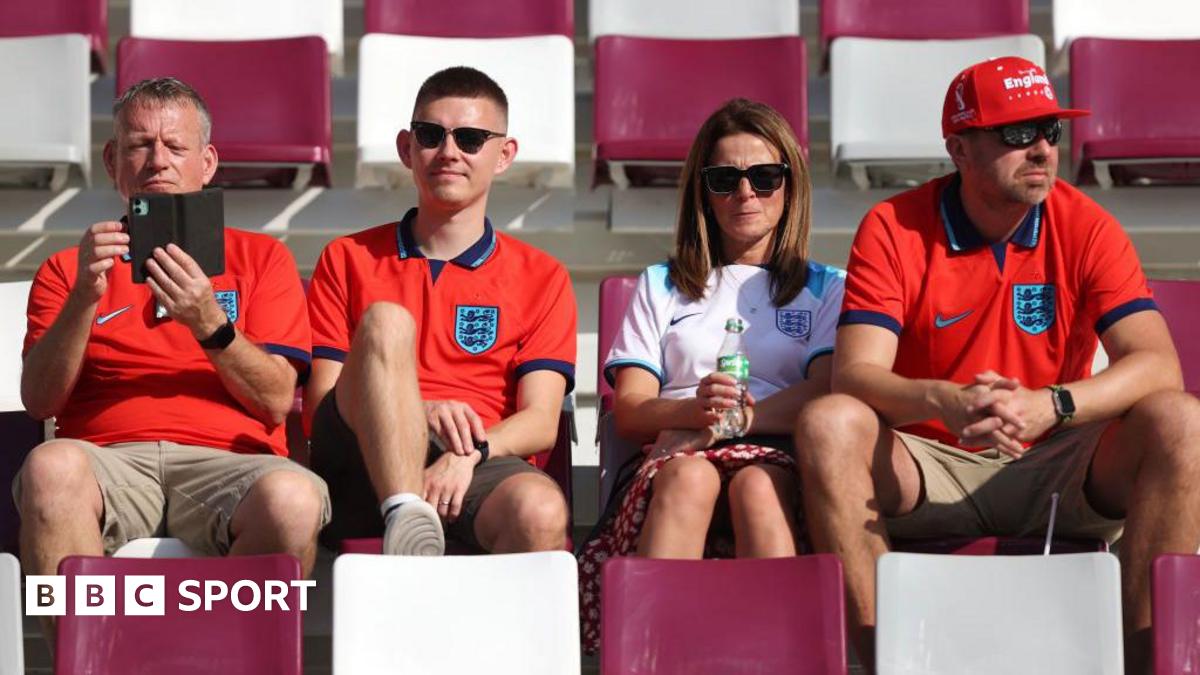
With the 2026 World Cup kickoff just 7 days away, FIFA has managed to kick an own goal before the first whistle even blows. They decided, in their infinite wisdom, to ban reusable water bottles from stadiums. We are talking about thousands of fans trekking to matches in high-summer heat only to encounter a security check that treats a Nalgene bottle like a heavy artillery piece.
Supporters groups are rightfully losing their minds. This isn't just a minor policy update; it is an about-face that reeks of corporate greed. FIFA claims this move is about safety, arguing that metal or hard plastic bottles could be used as projectiles. It is a convenient excuse for a governing body that usually prioritizes selling overpriced plastic cups of soda over the basic physiological needs of the people buying the tickets.
Revenue over electrolytes
This policy feels less like a security measure and more like a captured revenue stream. When you ban outside liquids and containers, you force every single spectator into the stadium concession lines. Those lines during a massive event are always a nightmare, typically featuring a 30-minute wait just to pay triple the grocery store price for a beverage. It is a cynical play to pad the bottom line under the guise of keeping the pitch safe.
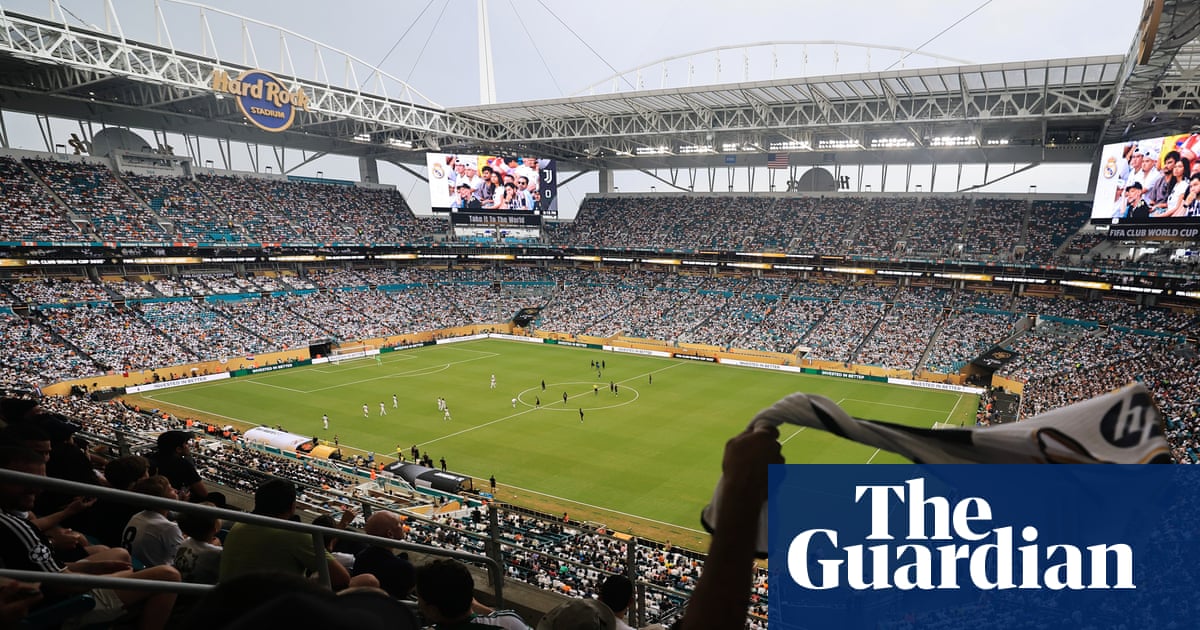
As The Guardian reported, the backlash from fans has been immediate and fierce. Supporters are calling the decision immoral. It is hard to argue with them when the temperatures in some of these host cities are going to be brutal. Expecting fans to pay for commercial plastic bottles every time they need a drink is an environmental and financial insult.
The safety theater trap
Let's talk about the logic. If safety is supposedly the top priority, why is FIFA so notoriously sloppy with other crowd management issues? They want us to believe a reusable bottle is a weapon, but they have failed to address the broader systemic issues found in massive sporting logistics. When you treat the venue like an airtight profit center, the first thing to go is the comfort of the audience.
This isn't a new strategy, but it is an exhausting one. We see this with every major tournament; the governing body gets terrified of their own shadow and restricts items that have been standard in every local league or domestic match for years. It is a blatant step backward. It turns a fun afternoon in the sun into a game of survival, where you have to weigh the risk of heat exhaustion against the risk of getting dehydrated.
The damage to the vibe
The 2026 World Cup is supposed to be the biggest celebration of the sport in North American history. Instead, the organizers are focusing on banning hydration equipment. It sets a pathetic tone. If you are a fan flying in from another country or driving five hours, the last thing you want is a security guard tossing your personal gear in the trash because it doesn't meet the arbitrary standards of an executive in a high-rise.
The optics of this are horrendous. While major companies are experimenting with grok-like models and fancy video tech to drive engagement, FIFA is busy fighting a war against aluminum canisters. It’s hard to take their claims about innovation seriously when they cannot figure out how to let someone carry water into a stadium without fearing for their life. This decision will go down as one of the least "fan-friendly" moves in the history of the tournament.
Bottom line? If you are planning on attending, prepare for the concessions racket. FIFA has made it clear that your hydration is secondary to their partnership goals. They have essentially turned the stadium into a high-priced desert, ensuring that their sponsors have a captive audience, even if that audience is parched, cranky, and broke by the 87th minute of the match. Good luck getting through the gates without a headache.