The £140 million lottery ticket
The Championship final day is the most brutal theater in English football. Forty-five games of grinding attrition culminate in a chaotic two-hour window where seasons are defined. This Saturday afternoon, three clubs are locked in a desperate shootout for Premier League football.
Ipswich Town, Millwall, and Middlesbrough all have a mathematical path to promotion. The English second tier is often romanticized as the most competitive league in the world. But right now, for these three sets of fans, there is no romance. There is only nausea.
The financial stakes are well documented. Promotion is worth roughly £140 million in base broadcast revenue, a figure that instantly transforms the operational reality of a football club. But the emotional toll on the fanbases is the real story here.
The Mirror has rightly framed this as a final-day shootout, and the tension across three different stadiums will be suffocating. There is no room for error. One bad touch, one delayed reaction, one dubious refereeing decision, and a year of grueling labor vanishes into thin air.
Ipswich Town: The weight of expectation
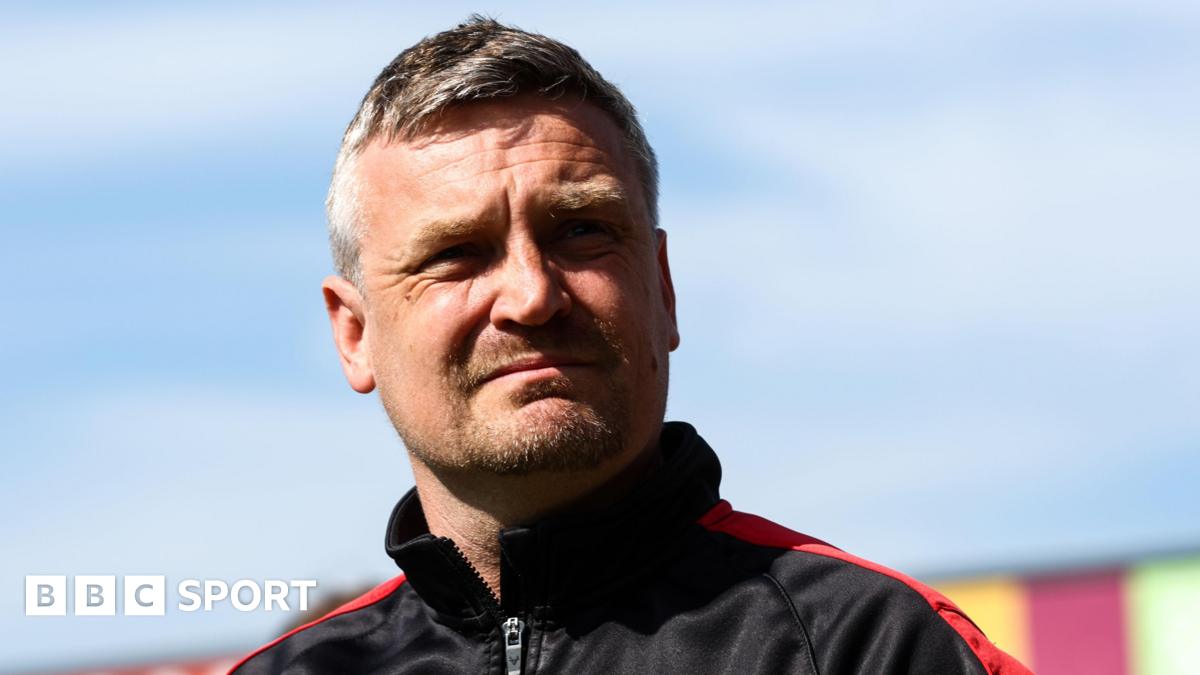
Ipswich Town have played the most aesthetically pleasing football in the division for long stretches of this campaign. Kieran McKenna has built a squad that dictates the tempo and suffocates opponents. They push their fullbacks absurdly high, with players like Leif Davis essentially operating as auxiliary wingers.
They try to strangle opponents in their own defensive third, locking them in with a relentless, coordinated counter-press that forces hurried clearances. But they are deeply flawed. We have seen it repeatedly over the last six weeks as the pressure has mounted.
When opponents sit deep, compress the space between the lines, and deny them room behind the defense, Ipswich run out of ideas. They cycle the ball out wide and swing in aimless crosses against towering center-halves. This leaves them woefully exposed to rapid counter-attacks.
Their transition defense is genuinely alarming. If their midfield pivot gets bypassed, the center-backs are often left sprinting back toward their own goal in isolated one-on-one situations. This tactical stubbornness is a massive liability in a shootout scenario.
McKenna refuses to alter his approach, even when trailing late in tight games. It is a noble footballing philosophy, but it wins zero points on days when the attacking combinations are slightly off. Their recent 1-1 draw against a relegated side highlighted this structural flaw perfectly.
They held 78 percent possession and managed exactly two shots on target. That is not dominant football. That is sterile, predictable possession. You cannot afford sterile possession on the final day.
Millwall: The gatecrashers
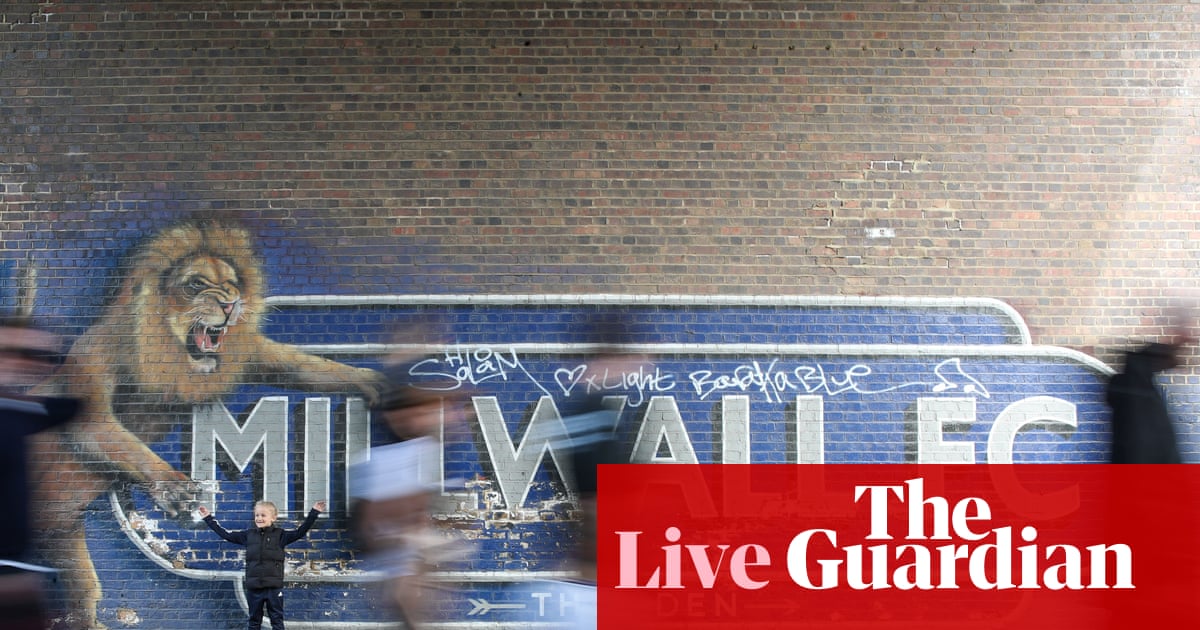
Nobody outside of South London wants Millwall to win this race. The Premier League executives certainly don't want them bringing their hostile atmosphere to the top flight. The major broadcasters would undoubtedly prefer a different, more globally marketable narrative.
But Millwall do not care about marketability or aesthetics. They have crashed this promotion party through sheer bloody-mindedness and a defensive structure that is brutally, unapologetically effective. They do not care about possession statistics.
They care about territory, winning second balls, and absolute defensive solidity. They will gladly give you the ball for eighty minutes, sit in a compact mid-block, and wait for a single mistake in possession. When they win the ball back, the transition is immediate and violent.
They play directly into the channels, forcing opposing center-backs into uncomfortable foot races. They win a throw-in in the final third and treat it with the absolute reverence of a corner kick. This is not anti-football, despite what the purists might loudly claim on social media.
It is elite pragmatism. Their defensive spacing is superb, forcing teams out wide and backing their center-halves to win every single aerial duel. But there is a hard ceiling to this incredibly rigid approach.
When Millwall are forced to chase a game, they lack the high-end technical quality and passing range to break down a set defense. If they concede early on Saturday, their entire game plan disintegrates instantly. They are simply not built for dramatic, multi-goal comebacks.
Middlesbrough: Carrick's calculated gamble
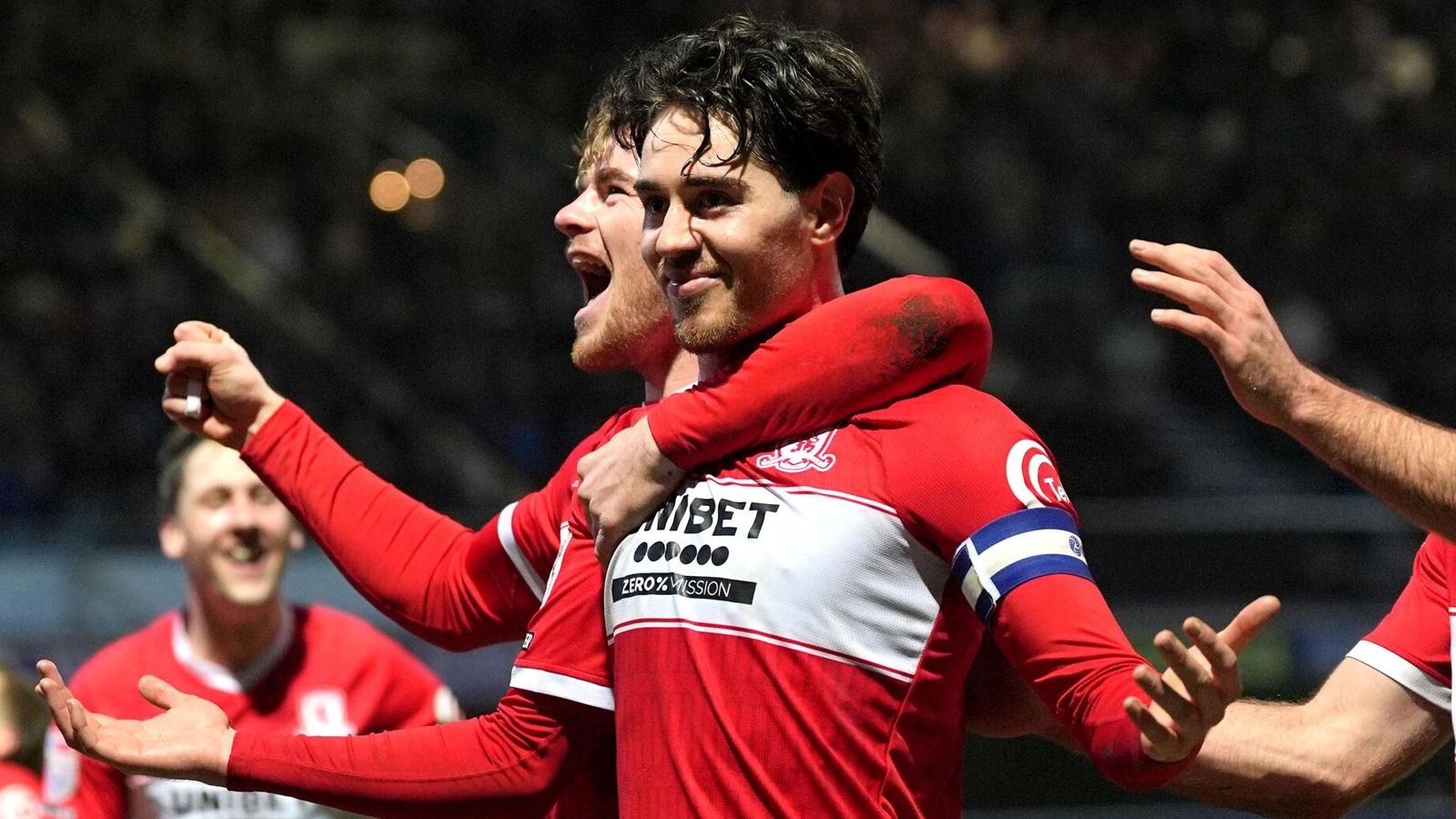
Middlesbrough are perhaps the most frustrating team in this final-day trio. On paper, their squad is loaded with high-end technical quality that belongs in a higher division. Michael Carrick has implemented a sophisticated tactical system that borrows heavily from elite European sides.
They build out from the back in a fluid 3-2-5 shape. They constantly attempt to overload the half-spaces and try to create distinct numerical advantages on the flanks. When the system works, it looks identical to top-flight football.
They can completely dissect opposing teams with sharp, one-touch passing sequences that cut right through the opposition's midfield line. But when it doesn't work, it looks painfully sluggish and utterly predictable.
Boro have a terrible habit of overplaying in the middle third of the pitch. They circulate the ball horizontally, shifting it from side to side while allowing the opposition ample time to reset. This lack of ruthless efficiency in the final third has likely cost them automatic promotion already.
They need far too many high-quality chances to score a single goal. Against low-block defenses, they often resort to speculative, low-percentage shots from outside the box because they cannot find the final, penetrating pass.
Furthermore, they are incredibly vulnerable to aggressive pressing triggers. Teams that press their defensive midfielders relentlessly can consistently force turnovers in highly dangerous central areas. It is a persistent, glaring flaw that Carrick has somehow failed to correct over the last ten months.
The ugly reality of Championship refereeing
We cannot seriously discuss this promotion shootout without addressing the disastrous standard of refereeing in the Championship this season. The PGMOL has effectively treated the second tier as a dumping ground for underperforming top-flight officials. It is also used as a live-fire trial run for unready rookies.
This is a systematic failure that has consistently impacted the integrity of the entire promotion race. It is entirely possible that a spot in the Premier League is decided by an official who is simply not fit for the speed and physicality of the level.
We have witnessed phantom penalties given for imaginary contact, blatant red card offenses ignored entirely, and baffling offside decisions that altered the course of the season. VAR is not walking through that door to save these teams on Saturday afternoon.
The referees will be under immense, suffocating pressure this weekend, and their recent track record across the division inspires absolutely zero confidence. If a team's entire season is derailed by a blown call on Saturday, the outrage will be entirely justified. The English game simply has to demand better standards for its most lucrative, high-stakes division.
The psychology of the final day
The mathematical permutations are complex, but the tactical reality is brutally simple. Everyone has to play for a win. There is no scenario where safely playing for a draw guarantees success for any of these three clubs.
This mathematical absolute changes the psychological dynamic of all three matches entirely. In the opening twenty minutes, expect cagey, risk-averse football across the board. Nobody wants to make the fatal error that defines the afternoon and ruins a season's work.
Center-backs will instinctively clear their lines into the stands rather than attempt line-breaking passes under heavy pressure. Midfielders will strictly hold their positional discipline rather than making late, aggressive runs into the penalty area. Survival instincts will override tactical instructions early on.
But as the clock ticks past the hour mark, absolute desperation will set in. News of goals in other stadiums will inevitably filter through the crowds via smartphones, completely altering the atmosphere. The mood in the stands will shift violently from supportive singing to frantic screaming.
Managers will be forced to make high-stakes tactical adjustments and substitutions based on rapidly changing, sometimes incorrect information from the sidelines. Do you throw on an extra striker, sacrifice midfield stability, and risk being caught on a devastating counter-attack?
Or do you shut up shop, hold your shape, and pray the results elsewhere magically align in your favor? These are the agonizing, split-second decisions that define managerial careers and permanently alter the history of football clubs.
The Verdict
Ipswich Town arguably possess the highest ceiling of the three. When their passing rhythms click, they are virtually unplayable at this level. But the crushing weight of expectation seems to be paralyzing them at the worst possible moment.
Their home crowd gets audibly restless far too quickly when they aren't leading inside the opening thirty minutes. That mounting anxiety undeniably bleeds onto the pitch, severely affecting the players' decision-making in critical moments.
I simply do not trust their backline to keep a clean sheet when the pressure reaches an absolute boiling point. They concede too many high-quality chances in transition. Millwall, on the other hand, will fight and claw until the final whistle blows.
But the London side are relying heavily on other teams dropping points. Their destiny is not entirely in their own hands, which is a dangerous, helpless position to occupy on the final day. They will likely grind out a typically scrappy, ugly victory.
Unfortunately for them, a gritty 1-0 win might just leave them agonizingly short of the required points total. Middlesbrough are the team with the clearest, most resilient identity in this three-way race. Yes, they can be infuriatingly slow in possession, but they rarely lose complete control of the match state.
Carrick possesses a calm, analytical demeanor that clearly permeates the entire squad. In a chaotic shootout scenario, you want the team that can place their foot on the ball and dictate the rhythm of the match amidst the madness.
Boro will control their fixture. They will dominate possession, stretch the opposition laterally, and eventually find the decisive breakthrough in the second half. Ipswich will falter under the immense weight of an aggressive high press, conceding a late goal that shatters their automatic promotion hopes.
Middlesbrough are going to snatch it. The sheer technical quality of their squad will finally outweigh their recurring tactical flaws. The Riverside will erupt, and Carrick will have successfully navigated one of the toughest divisions in world football.
Ipswich and Millwall will be left to face the brutal, unforgiving reality of the playoffs. It is a separate lottery entirely, where form, statistics, and justice go completely out the window.
Read Next
- The Soul of the Championship is on the Line at Elland Road
- Why the Sky Sports EFL broadcast will expose tactical cowards
- Roy Hodgson's final act at Bristol City is a massive statement
- Top 10: The Most Nerve-Shredding Finale Storylines This Weekend
- 🏟 EFL Championship 2025-26 — Promotion Race & Play-Off Final Hub