The human toll behind the game's icons
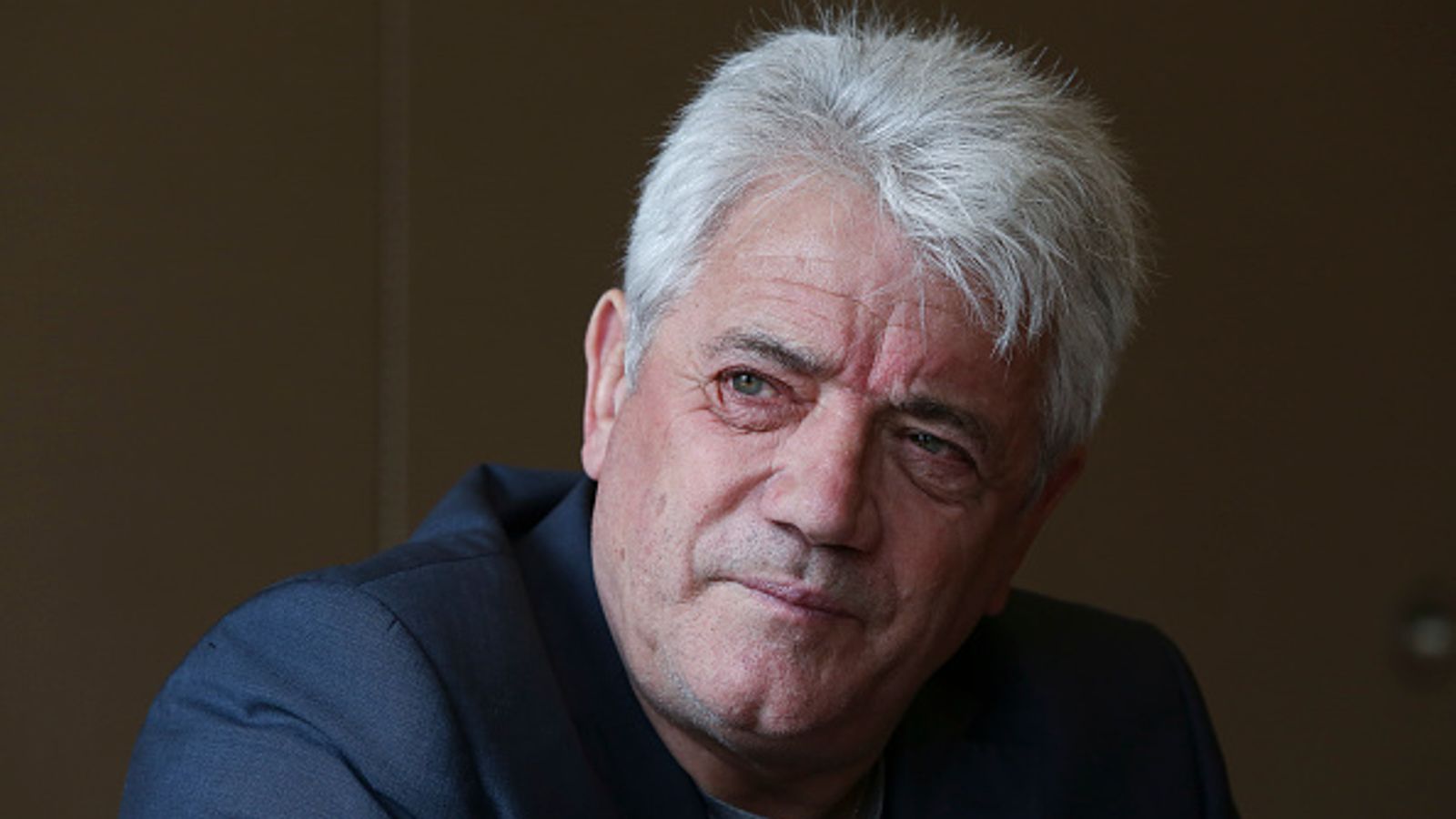
As the international football community turns its attention to the FIFA World Cup 2026 starting tomorrow, the mood in the sport is tempered by sobering news regarding two of its most storied figures. Sir Kenny Dalglish and Kevin Keegan have both publicly confirmed cancer diagnoses this week. These are not merely headlines; they represent a significant emotional blow to supporters who defined their own childhoods by the actions of these two men.
Alan Shearer, who operated under both managers, publicly expressed his support for his former mentors. Shearer played for Dalglish at Blackburn Rovers and Newcastle United, while also serving under Keegan during his high-octane tenure at St. James' Park. The public acknowledgement of these diagnoses serves as a sharp reminder that the figures we idolize are prone to the same physical failings as any other person.
Reflecting on the legacy of King Kev
While the football world processes the health updates for Dalglish and Keegan, Paul Gascoigne has provided a revealing look at his own ongoing struggle for health. Gascoigne recently appeared on live television to discuss the severity of his past alcohol addiction. He noted that at the height of his dependency, he consumed upwards of 30 cans of energy drinks daily to manage his withdrawals.
Gascoigne has also been vocal in his support for Kevin Keegan during this period. In a recent interview, Gascoigne shared a lighter, albeit cautionary anecdote about his tenure as an apprentice at Newcastle United. He was tasked with cleaning Keegan's boots, only to take a pair home to show his father and lose one in the process. It is a moment of levity from a player as the Mirror recently detailed that highlights the human connection often lost in the hyper-professionalized modern game.
Operational shifts and the reality of the legends
The strategic implications of these health situations for the sport's elder statesmen are negligible in terms of tactical play, but they create a void in terms of institutional memory. Dalglish and Keegan represent a specific era of English and Scottish football defined by immense personality and high-risk attacking play. Their absence from the public stage, even for a short time, reminds stakeholders that the caretakers of football's history are aging.
The current news cycle, dominated by the lead-up to the World Cup, often discards the past in favor of the next viral moment involving young stars like Jude Bellingham or Kylian Mbappé. Yet, the struggles faced by these icons merit more attention than a fleeting social media post. When icons like Dalglish and Keegan face health crises, the community feels it more acutely because they are foundational characters to the modern product of the Premier League.
Analysis of the institutional response
There is a recurring issue in how football treats its legends once their playing and coaching days are done. We celebrate them on anniversaries, but their personal challenges—whether related to physical illness as reported by the Daily Mail regarding Gascoigne—often remain out of sight. The industry relies on the nostalgia generated by these men to sell tickets, kits, and television packages, yet it historically lacks adequate infrastructure to support them during personal downturns.
Gascoigne’s candid admission about consuming 30 cans of Red Bull to stave off alcohol withdrawal is a grim look at the physiological and psychological isolation that can follow a high-profile career. It is a failure of the support system that a player of his talent reached such a point in the public eye. Moving forward, the industry must weigh whether its commercial use of these figures coincides with a genuine duty of care.
A sobering look at the week ahead
As the World Cup kicks off in 1 day, the focus will undoubtedly shift to the results on the grass. However, the news concerning Keegan, Dalglish, and Gascoigne provides a necessary perspective on what actually constitutes a win. The fragility of these figures is a quiet tremor underneath the excitement of the tournament.
The sporting world frequently obsesses over the next transfer window or the next tactical adjustment, often ignoring the very people who built the foundation for those discussions. It is important to remember that for these legends, the challenge is not about the next goal or the next trophy. It is about a recovery process that does not offer the same public celebration as a final whistle.