Kevin Keegan and the quiet strength of football's greatest entertainer
Tactical flair meets unyielding resolve
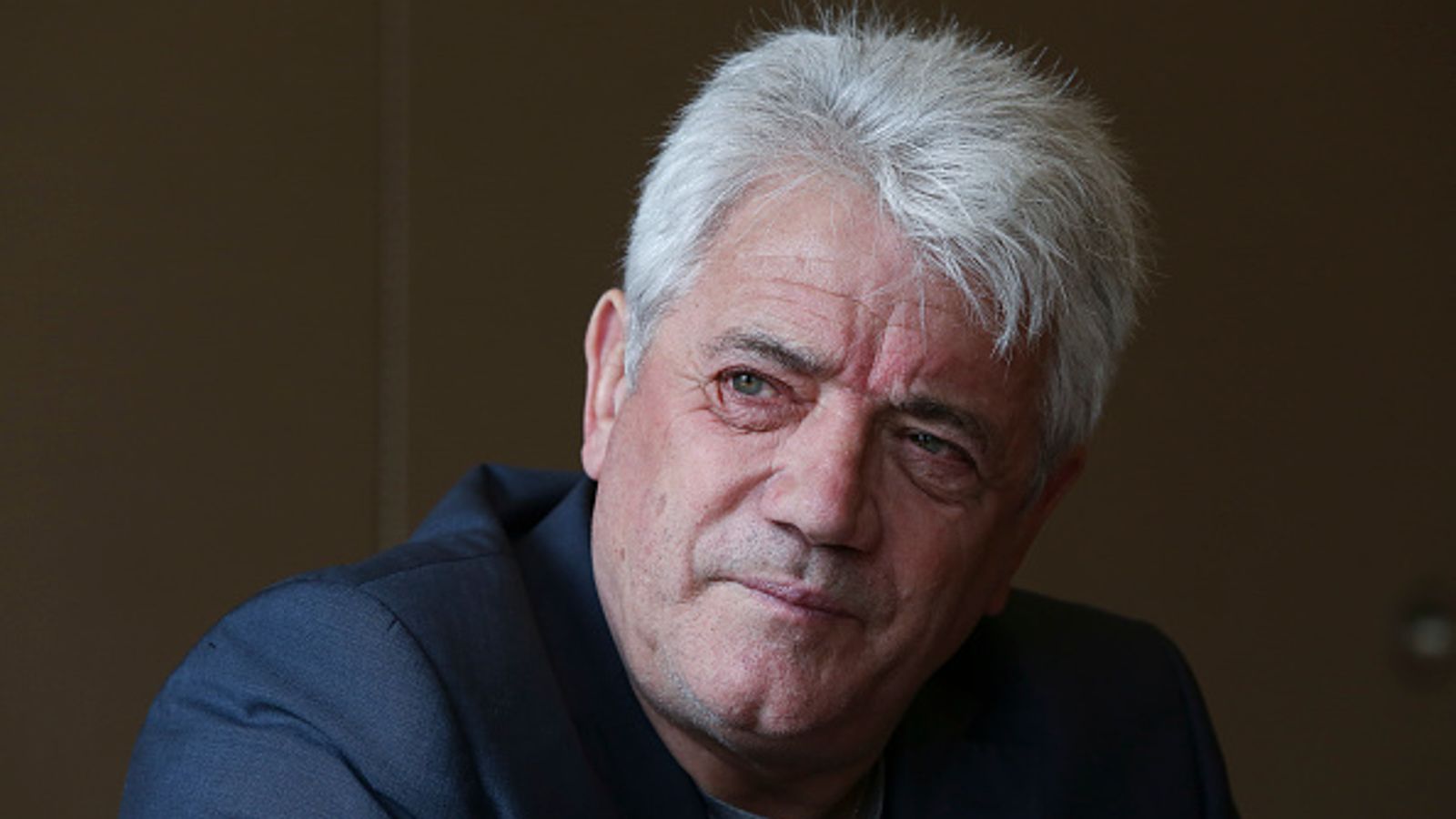
Football has a habit of demanding linear progression. We obsess over the next tactical innovation or the efficiency of a squad's defensive block. Yet, the history of the sport is tethered to personalities who defy simple metrics. Kevin Keegan occupies a space in the English game that cannot be measured by a heat map or an expected goals chart. His recent battle with stage four cancer, as reported by Sky Sports, serves as a sobering reminder of the person behind the manager.
The chaotic genius of the Entertainers
To analyze the impact of Keegan's management is to recognize a specific philosophy of high-variance football. His 1995-1996 Newcastle United side was an antithesis to the sterile, tactical pragmatism that defined the decade. They played with a reckless, vertical ambition that prioritized numerical superiority in the final third over structural security. It was a strategy of attrition through pure output.
The defensive gaps at the back were not lapses in concentration but a calculated risk to force the opposition into a frantic, disjointed game state. He understood that at the intensity level he demanded, opponents would eventually break under the pressure of overlapping runs from full-backs like John Beresford. It was never about containing the game. It was about exhausting the opponent’s ability to defend for 90 minutes.
Humanity beyond the touchline
In modern football analysis, we often overlook the emotional weight carried by our public figures. Keegan was a master of the emotive connection, capable of galvanizing a city like Newcastle with the same precision with which he picked a pass. His style during those high-pressure years—where the goal difference was often boosted by 4-0 or 5-0 scorelines—was a precursor to the modern emphasis on aggressive pressing and relentless attacking phases.
Yet, performance metrics provide no shield against the biological realities of illness. The response he is showing to treatment is a testament to the grit that made him a legendary player at Hamburg and Liverpool. His ability to endure and adapt under extreme stress, once displayed on the sideline, now takes a different, more vital form. We spend so much energy evaluating defensive pivots and midfield distribution that we occasionally lose sight of the individuals who formed the bedrock of the English game.
Defining the legacy
Keegan's influence stretches far beyond the specific formations he employed. He signaled a move toward a more aesthetic, attacking game in an era that was famously gritty. His stint with England, while fraught with the typical baggage of international management, still carried his signature brand of unvarnished passion. He was rarely a manager for the tactical purist, but he was always a manager for the spectator.
Watching his recovery provides a moment to recalibrate how we value our icons. Technical brilliance is fleeting, often superseded by the next shift in tactical fashion. Conversely, the mark left by a manager who prioritized the joy of the game remains permanent. His grit, seen in the recent reporting on his health, reflects the same resilience that defined his career on the pitch. We are watching a return to the fundamentals of endurance, something he mastered long before anyone started tracking data points for success.
G-Form Pro-S Elite 2 Shin Guards
Pro-level protection that is so low-profile, you'll forget you're even wearing t
Frequently Asked Questions
What is Kevin Keegan's current health status?
What characterized Kevin Keegan's 1995-1996 Newcastle United side?
How did Keegan's management style differ from 1990s tactical norms?
What influence did Keegan have on modern football styles?
Why is Kevin Keegan considered an iconic football figure?
More Coverage

Why Brazil are the only logical pick for your World Cup second team
4 hours ago
Arsenal parade proves the league is just the start
4 hours ago
Michael Carrick has a tactical and recruitment headache at Old Trafford
7 hours ago
Why Manchester City are the team to watch at the 2026 World Cup
10 hours ago
Arsenal's Champions League heartbreak hides a deeper structural flaw
13 hours ago
Uruguay's gamble on life without Luis Suarez
14 hours agoMore Analysis

Dave Challinor walking away from Stockport feels like a gut punch
9 minutes ago
The World Cup obsession with age is getting weird
10 minutes ago
Real Madrid eye Premier League stars as Arsenal recalibrate their midfield
54 minutes ago
Chelsea chasing Katie McCabe as Arsenal exit looms
55 minutes ago
Arsenal won the league but they aren't fooling anyone
55 minutes ago