France and Senegal are set to define the opening stage of World Cup 2026

Tactical preparation at the 2026 World Cup
As the clock ticks toward the opening whistle for France and Senegal on this June 16, the tactical focus shifts squarely onto how the French midfield manages the high-press transition. Didier Deschamps generally prefers structure, but the squad entering this tournament carries a different stylistic weight than the 2022 finalists. Maintaining verticality while keeping a lid on rapid counter-attacks is an unenviable task for any defensive unit.
Senegal enters the match with the reputation of being among Africa's most disciplined sides. Their ability to force turnovers in the middle third effectively shortens the space for opponents, making them a nightmare for possession-heavy squads. We are looking at a World Cup fixture that hinges on whether France can bypass the second line of the Senegalese press without exposing their fullbacks to 1v1 situations in acres of open space.
The central midfield battleground
The statistical profile of this starting XI suggests a high probability of bottlenecking in the center of the pitch. France succeeds when they funnel play through half-spaces, yet Senegal's recovery pace frequently forces teams into lateral passing sequences that dissipate momentum. If France relies purely on lateral circulation, the tempo will favor the defensive side, leading to a frustrating stalemate that drags into the final third of the contest.
A critical observation regarding the current French recruitment is the reliance on technical profiles over physical enforcers in the engine room. While this increases pass completion rates significantly, it risks losing the ball in dangerous pockets where Senegal thrives on transition play. If Senegal scores, it will almost certainly originate from a ball pinched at the 40-yard line, exploiting a moment of spatial confusion between the defensive pivots.
Predicting the tactical pivot
Expect France to deploy a more cautious defensive transition earlier than usual to negate the threat of Senegal's wingers. However, the risk here is a reduction in offensive intensity, which could leave their primary striker isolated. Matches at this level are often determined by these micro-adjustments in the first half.
If the 0-0 scoreline holds past the 60th minute, the burden shifts to the substitutes to change the rhythm of the game. Coaches often hesitate to disrupt a clean sheet, but the conservative approach carries its own set of dangers when the pace is this frenetic. The winning team will likely be the one that resists the temptation to play safe once the initial nerves subside after the first quarter of an hour.
The margin for error remains razor-thin. Whether France adopts a high-block or settles for a compact mid-block will dictate the entire character of this, the most anticipated fixture of the early round. Tactical rigidity at this stage is usually punished, and those who adapt to the flow of the pitch by the 20th minute tend to dictate the outcome.
Read Next
- Why France and Senegal are set for a tactical repeat of 2002
- France vs Senegal: Tournament openers aren't always a walk in the park
- England's World Cup opener against Croatia is a tactical minefield
- Hervé Renard takes Tunisia reigns as World Cup chaos grips the group stage
- 🏆 World Cup 2026 — Full Coverage Hub
- 🇫🇷 France World Cup 2026 — Les Bleus Hub
- 🇸🇳 Senegal World Cup 2026 — Lions of Teranga Hub
adidas FIFA World Cup 2026 Trionda Competition Ball
The official match-grade feel for the 2026 North American summer.
Frequently Asked Questions
When is the World Cup match between France and Senegal?
What is Senegal's main tactical strength in midfield?
How might Senegal score against France?
What is the primary risk of France's current midfield recruitment?
Why does the match tempo favor Senegal if France plays laterally?
More Coverage
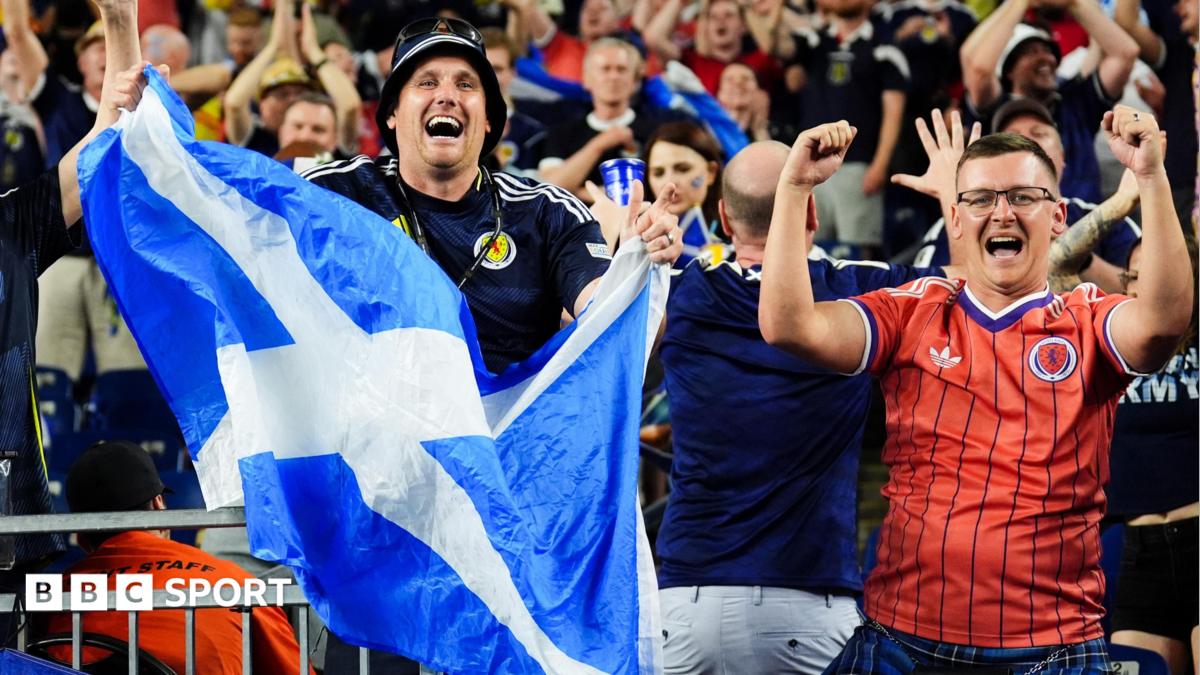
Scotland’s tactical blind spots look ready to spoil the World Cup party
5 hours ago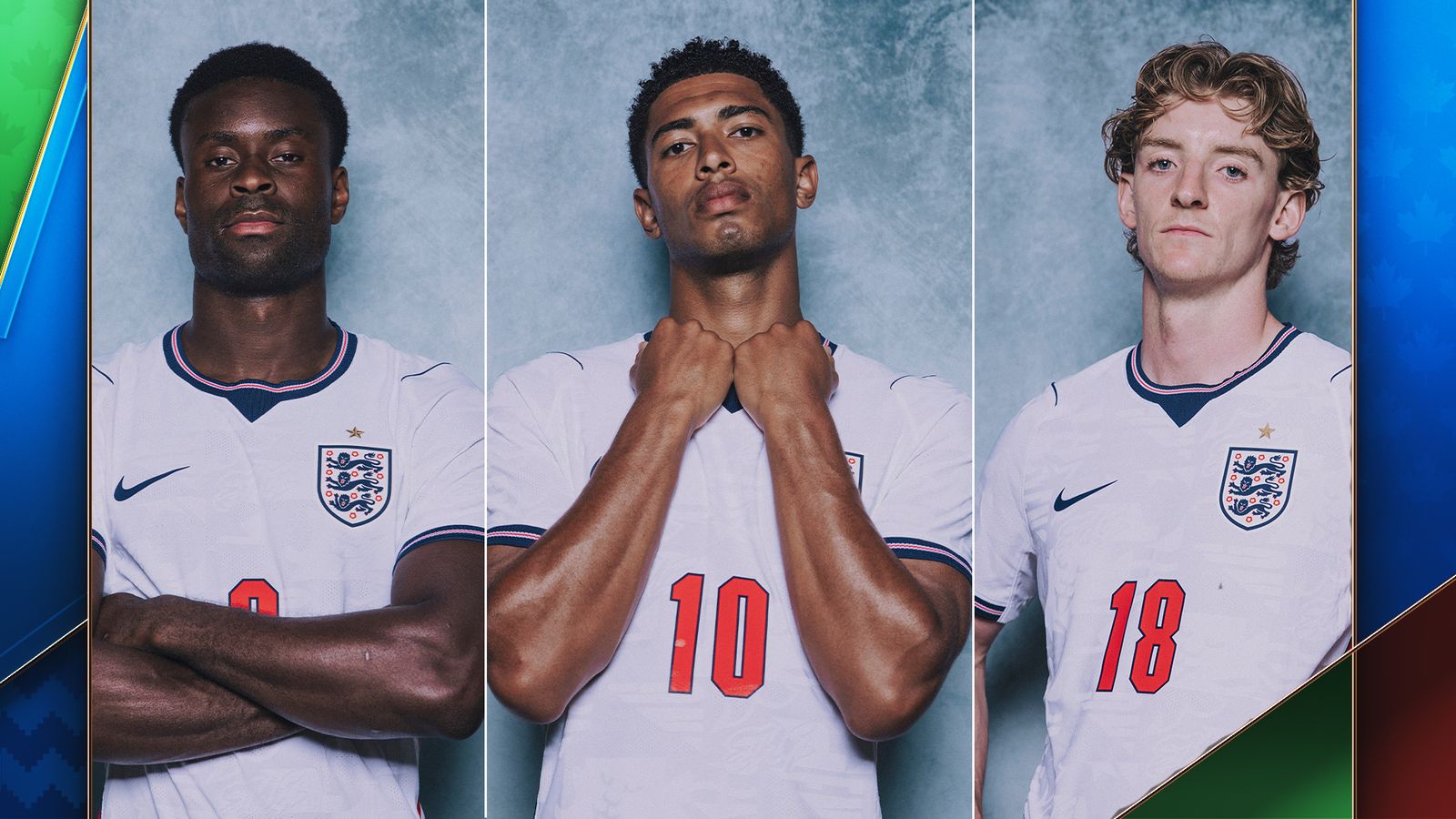
England's World Cup opener against Croatia is a tactical minefield
7 hours ago
England must solve the Croatia puzzle that haunted 2018
10 hours agoHervé Renard is the wildest wildcard in World Cup history
10 hours ago
Why France and Senegal are set for a tactical repeat of 2002
10 hours ago
Casemiro is currently stuck in the transfer limbo of his own making
11 hours agoMore Analysis
Jose Mourinho is playing dangerous games with Real Madrid's future
2 hours ago
Why Tottenham's pursuit of Sandro Tonali is a massive tactical gamble
2 hours ago
Top 10: The England World Cup Outlook
2 hours ago
Top 10: Definitive Shifts in the Domestic Football Market
2 hours ago
Top 10: Most Disruptive Moments in Modern Football
2 hours ago