Tactical shift in Tunisia as Renard lands
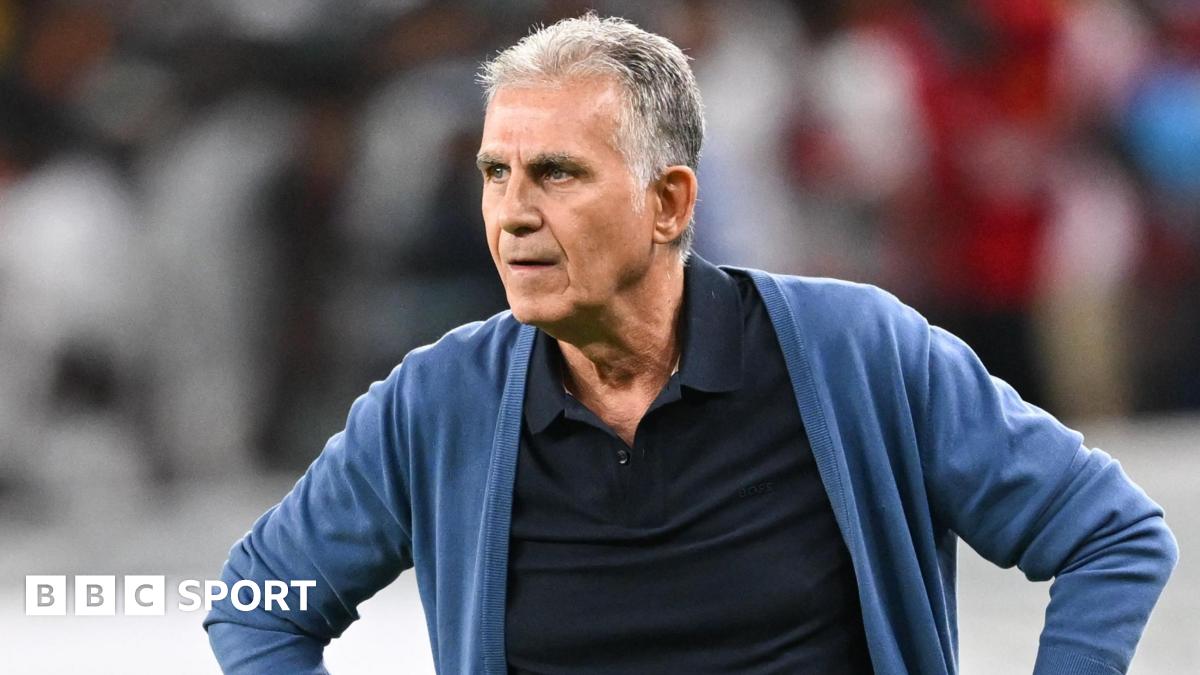
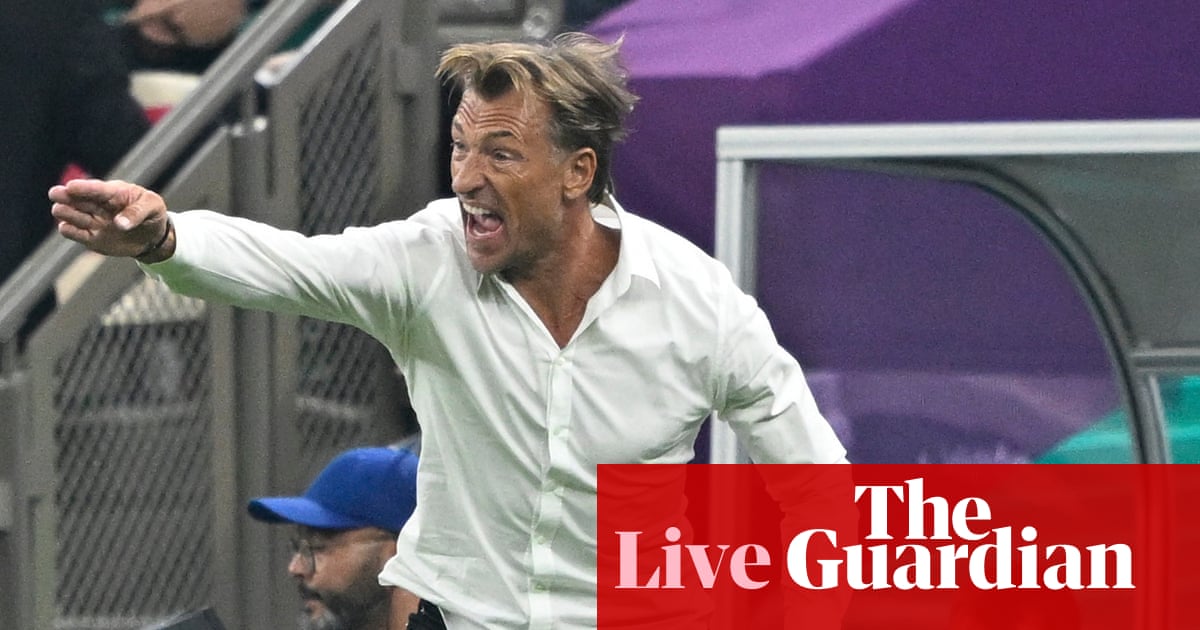
Hervé Renard has officially accepted the managerial position for the Tunisian national team. This move comes as the 2026 World Cup hits its sixth day, placing the high-profile tactician right in the middle of a tournament already characterized by extreme volatility. Sources categorize this as a Tier 1 move given the official confirmation appearing in today's live matchday updates.
Renard enters a locker room that requires immediate stability. Tunisia has struggled with tactical cohesion in recent cycles, failing to maximize the creative output of their midfield engine. His arrival is not a long-term development project but a tournament-specific fix intended to sharpen defensive discipline against superior opposition.
Why Renard is a risky tactical gamble
Renard built his reputation as a tournament specialist in the African landscape, relying on rigid defensive shape and high-intensity counter-pressing. However, applying this philosophy mid-tournament is notoriously difficult. He lacks the weeks of training camp required to bake his system into the squad's muscle memory.
A critical observation regarding this hiring: Tunisia is betting on a manager whose past success stems from a very specific brand of man-management. If the initial results in his opening matches do not provide immediate defensive security, the dressing room could fracture. National team players rarely adapt to new tactical regimes in the middle of a global competition without significant friction.
The financial and contractual variables
Specific contract lengths remain undisclosed, though terms suggest a deal covering the remainder of the 2026 tournament cycle. Estimates on compensation are sparse, but Renard is widely considered one of the highest-paid coaches in the international bracket. His salary for this short-term engagement represents a significant commitment from the Tunisian federation.
Reports suggest potential performance bonuses tied strictly to advancement out of the group stage. If the team exits early, the federation will likely look to terminate the agreement early to avoid long-term financial burden. There is zero room for error.
Probability and the road ahead
The probability of this appointment yielding immediate results is medium. While Renard knows how to disrupt bigger teams, the tournament clock is already ticking. We should expect to see his influence reflected in the starting lineup for Tunisia’s next fixture.
If the players don't buy into the shift—and quickly—the decision by the federation will be viewed as a panic move. We are watching a high-stakes management maneuver that often backfires when the pressure of the world stage scales up in intensity.
Setting the stage for the rest of the pack
The spotlight currently shifts to France, who finally enter the tournament fray today. Their presence, paired with the sudden Tunisian coaching change, creates a stark contrast in preparation methods. While the French squad enters with established, long-term leadership, Tunisia is effectively ripping up the playbook in real-time.
Fans should note the discrepancy in performance expectations. France arrives as favorites under Didier Deschamps, while Renard attempts something closer to a last-minute salvage operation for Tunisia. If that 1-0 scoreline goes the wrong way in the opening half of their upcoming match, expect the pressure on Renard to skyrocket by full-time.
Impact of the appointment
The expected impact is a shift toward a more conservative, low-block defensive structure. Renard is not a coach who prioritizes possession for the sake of aesthetics. He wants 0-0 at halftime and a mistake from the opponent by the 75th minute.
This is a quintessential tournament-coaching hiring. It prioritizes experience over philosophy. Whether it generates enough points to keep Tunisia alive past the group stage is the only metric that matters to the federation bosses who signed off on the deal.