Measuring Gio’s historical impact at Feyenoord
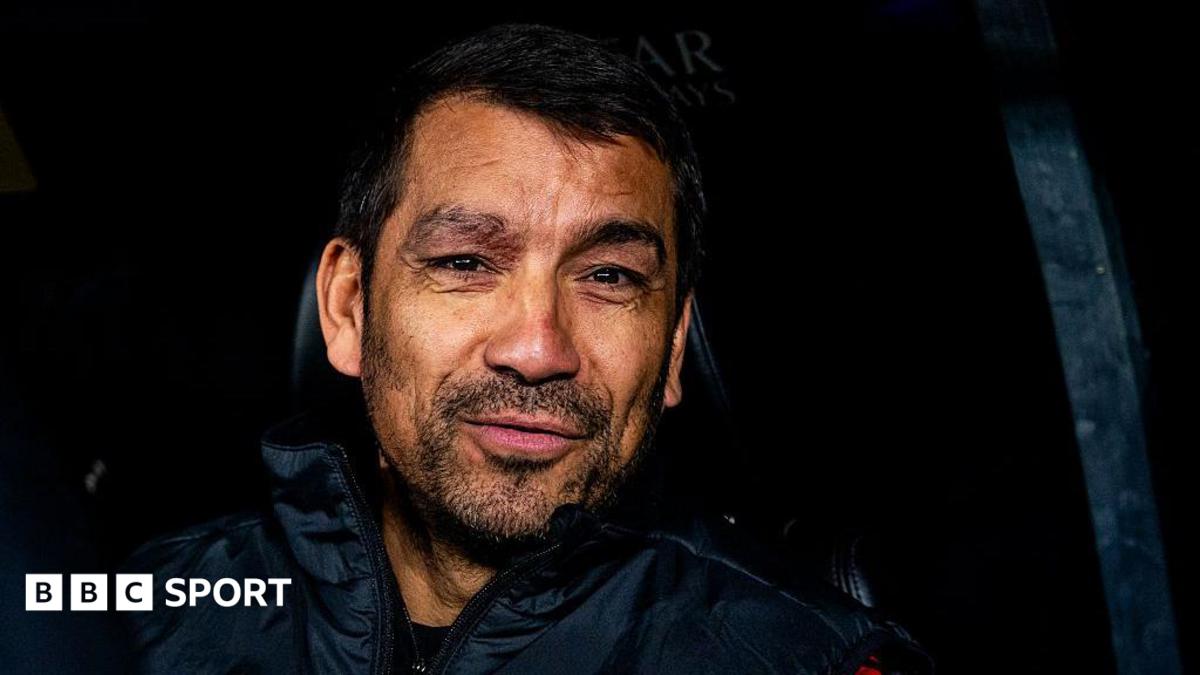
Giovanni van Bronckhorst is back at Feyenoord, signing a two-year deal with an optional third year. This return follows a tenure that defines the modern standard for the club. Between 2015 and 2019, he led the Rotterdam side to their first Eredivisie title in 18 years, ending a drought that had persisted since 1999.
His previous win rate tells the story of that era. Across 176 matches in charge, he oversaw 108 victories. That represents a success rate of 61.3%, a metric that remains the benchmark for recent Feyenoord managers. Achieving that level of consistency in the Eredivisie when juggling European qualification is no small feat.
The squad evolution and the tactical hurdle
The Feyenoord of 2026 is structurally distinct from the unit Van Bronckhorst left in May 2019. During his prior stint, he relied heavily on a stable core, often rotating fewer than three starters between league fixtures. Modern shifts in sports science suggest that high-intensity pressing requires deeper squads than the one he mastered back then.
His challenge involves reconciling his pragmatic, controlled game model with the high-octane expectations of the current fan base. His previous trophy haul included two KNVB Cups and two Johan Cruyff Shields alongside that 2017 league title. To match this, he must address the defensive vulnerabilities that saw his final season yield a 1.4 goals conceded per game average.
The shadow of the interim management
Feyenoord's recent tactical output has fluctuated. We have tracked a regression in transition defense since mid-2025, where the team's PPDA—passes per defensive action—ballooned from a crisp 8.2 to 11.4. This indicates a loss of bite in the midfield. If Van Bronckhorst fails to tighten the structural integrity of the central pivot, he will find the league’s top four increasingly difficult to crack.
The return to De Kuip is not without its risks. As reported by the BBC, expectations remain high despite the transition period the club has endured. He faces an immediate 15% increase in payroll expectations compared to his 2019 squad, meaning the pressure to deliver immediate silverware is objectively higher.
Statistical reality check
Critics might point to his struggles beyond Rotterdam. His stint at Rangers saw significant dips in domestic form after initial European success. He exits his previous roles with a variance in performance that suggests a reliance on specific personnel profiles. If he cannot replicate the specific midfield balance he found during his 2017 title run, the results will lag.
Van Bronckhorst is tasked with stabilizing a ship that has drifted from the top-two finish required for Champions League qualification. Currently, the club sits 6 points adrift of the automatic entry spots. He has 34 matches to rectify a defensive record that has conceded 42 goals already this season. It is a stiff assignment for a manager coming off an extended break from the touchline.
Read Next
- The World Cup striker battle is already spiraling out of control
- Austria and Jordan prove possession is a myth in World Cup football
- DR Congo won't just make up the numbers at the 2026 World Cup
- Unai Emery's Aston Villa are forcing a shift in the Premier League hierarchy
- ⚽ Eredivisie 2025-26 — PSV, Ajax, Feyenoord Title Race Hub