
Virgil van Dijk is gambling on his own declining range
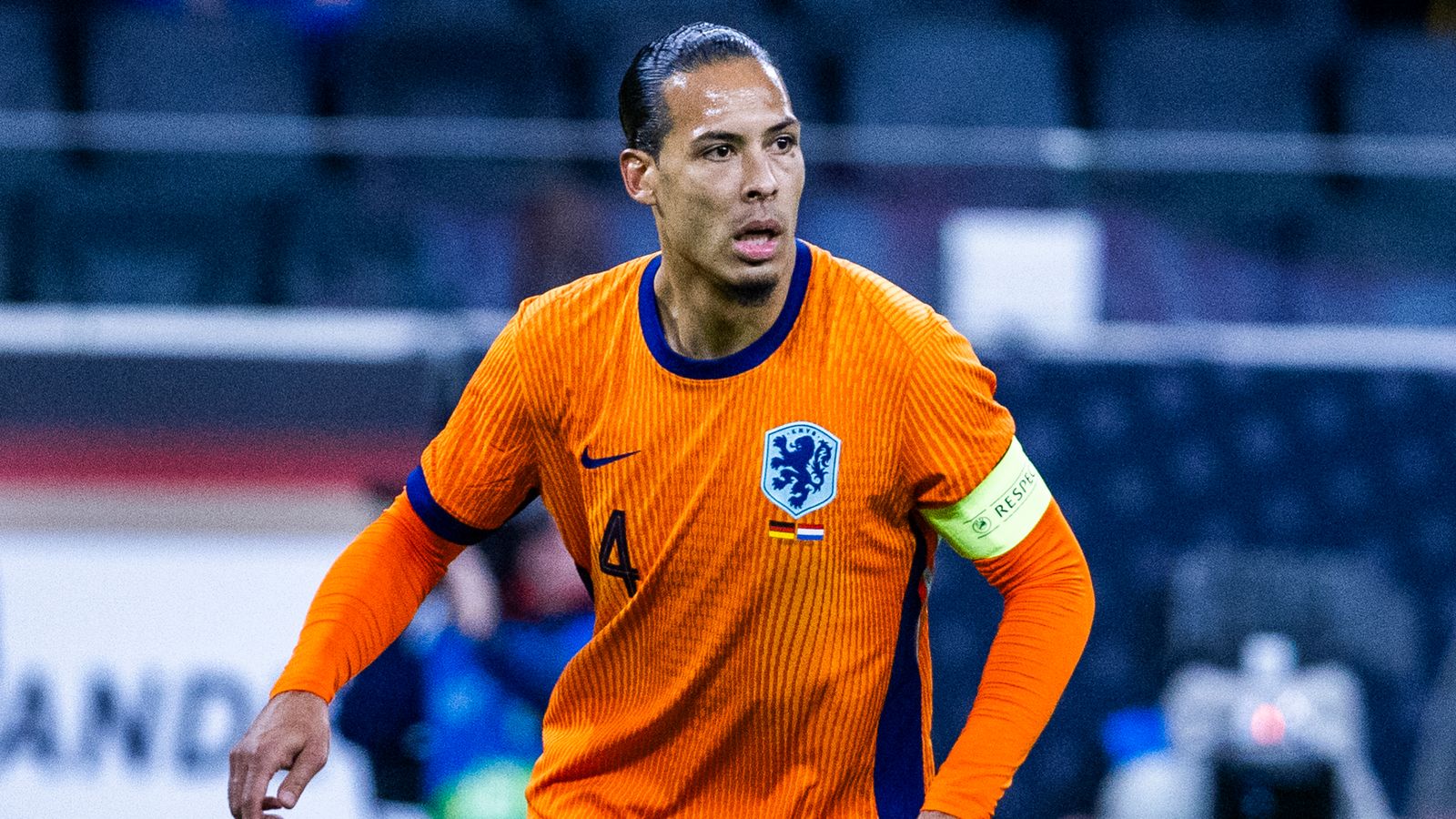
The physical reality of the Dutch defense
Virgil van Dijk enters the 2026 World Cup with a clear objective: securing the trophy before hanging up his international boots. At 34, his reading of the game remains elite, yet the margin for error has narrowed significantly. The recent reports regarding his impending international retirement underline that this is a final, accelerated push for silverware. He is banking on intelligence to compensate for the diminishing explosive recovery speed that defined his peak years.
We have seen these defensive patterns before, notably in the recent matches involving Australia. While Australia’s tactical stagnation against Turkey showcased how a rigid structure can suffocate quality, van Dijk’s Netherlands operates on a different frequency. They want control, yet they often leave wide channels open during transitions. If that gaps-heavy approach remains, van Dijk will be forced into high-intensity sprints he can no longer dominate with ease.
The danger of inverted expectations
Tactical observation demands we look at the personnel surrounding the captain. The Dutch rely on his ball-playing ability to initiate deep-lying build-up phases, shifting responsibility away from the holding midfielders. However, this creates a defensive bottleneck. When the press is bypassed, the center-back pair becomes isolated against pacey forwards who feast on the space behind the fullbacks.
Consider the defensive masterclass provided by Australia as a counter-argument to the Dutch style. By sitting deep and compressing the pitch, the Socceroos restricted Turkey to an xG of 0.45. The Netherlands rarely adopts such humility. They prefer to hold a line that demands perfection from their primary defender. It is a high-stakes gamble that hinges on whether van Dijk can consistently anticipate danger 0.5 seconds before it manifests into a shot.
The transition trap
The biggest flaw in the modern Dutch setup is the lack of a true screen in front of the back four. Van Dijk is often left to manage a two-on-two situation when the wing-backs push high. This isn't just a concern for the group stage; it is a structural liability likely to be exploited by elite transition sides in the knockout rounds.
He is a master of the standing tackle and the aerial duel, but modern football is won on the recovery run. Even with his positional brilliance, he has been increasingly reliant on the goalkeeper to sweep behind his high line. If that partnership falters in the high-pressure environment of a tournament, the gap between ambition and execution will widen rapidly.
A career defined by singular output
There is a risk that this final chapter becomes defined by isolated moments of brilliance being undone by systemic shortcomings. Van Dijk does not have the legs to drag a failing defensive unit through a 90-minute gauntlet if the shape ahead of him breaks down. The statistics show he remains accurate with his distribution, rarely dropping below 90% pass completion, but distribution matters little if the defensive line is constantly backtracking.
Ultimately, the Dutch tournament path will look less like a technical masterclass and more like a firefighting exercise. He is trying to hold back the tide of age by simply being faster in his mind than his opponents are in their feet. Whether that holds for seven matches is the primary question of the Dutch campaign. He has spent years commanding the backline with ease; now, he faces the difficult task of surviving an open, fast-paced tournament format with diminishing physical capital.
Read Next
- Curacao is the World Cup's ultimate tactical outlier
- FIFA claims a technical glitch ruined Qatar vs Switzerland
- Australia's World Cup surge isn't a fluke, it's a defensive masterclass
- Australia vs Turkey is absolute chaos and the fans are losing their minds
- 🏆 World Cup 2026 — Full Coverage Hub
- 🇳🇱 Netherlands World Cup 2026 — Oranje Hub
Nike Premier League Academy Soccer Ball
The official look of the Premier League for your weekend kickabouts.
Frequently Asked Questions
What is the main defensive risk for Virgil van Dijk in the 2026 World Cup?
How does the Dutch tactical setup affect Virgil van Dijk's defensive role?
Why is the Dutch build-up play considered a defensive bottleneck?
What defensive lesson does the article draw from the Australian team?
What is the primary factor determining van Dijk's success in his final tournament?
More Coverage

Curacao is the World Cup's ultimate tactical outlier
2 hours agoQatar vs Switzerland is a masterclass in how to kill a World Cup mood
14 hours ago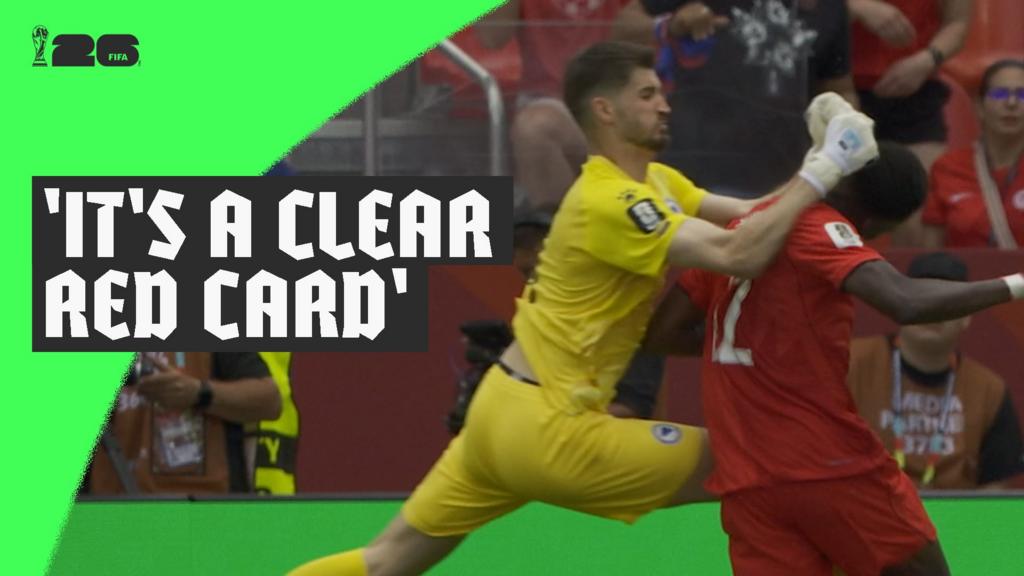
Wayne Rooney’s refereeing gripe misses the tactical point
1 day, 10 hours agoBosnia-Herzegovina control midfield against Canada through tactical aerial pivots
1 day, 12 hours agoCanada faces a defensive puzzle against Bosnia-Herzegovina
1 day, 14 hours ago
England's World Cup preparation is already a disaster before kickoff
2 days, 14 hours agoMore Analysis
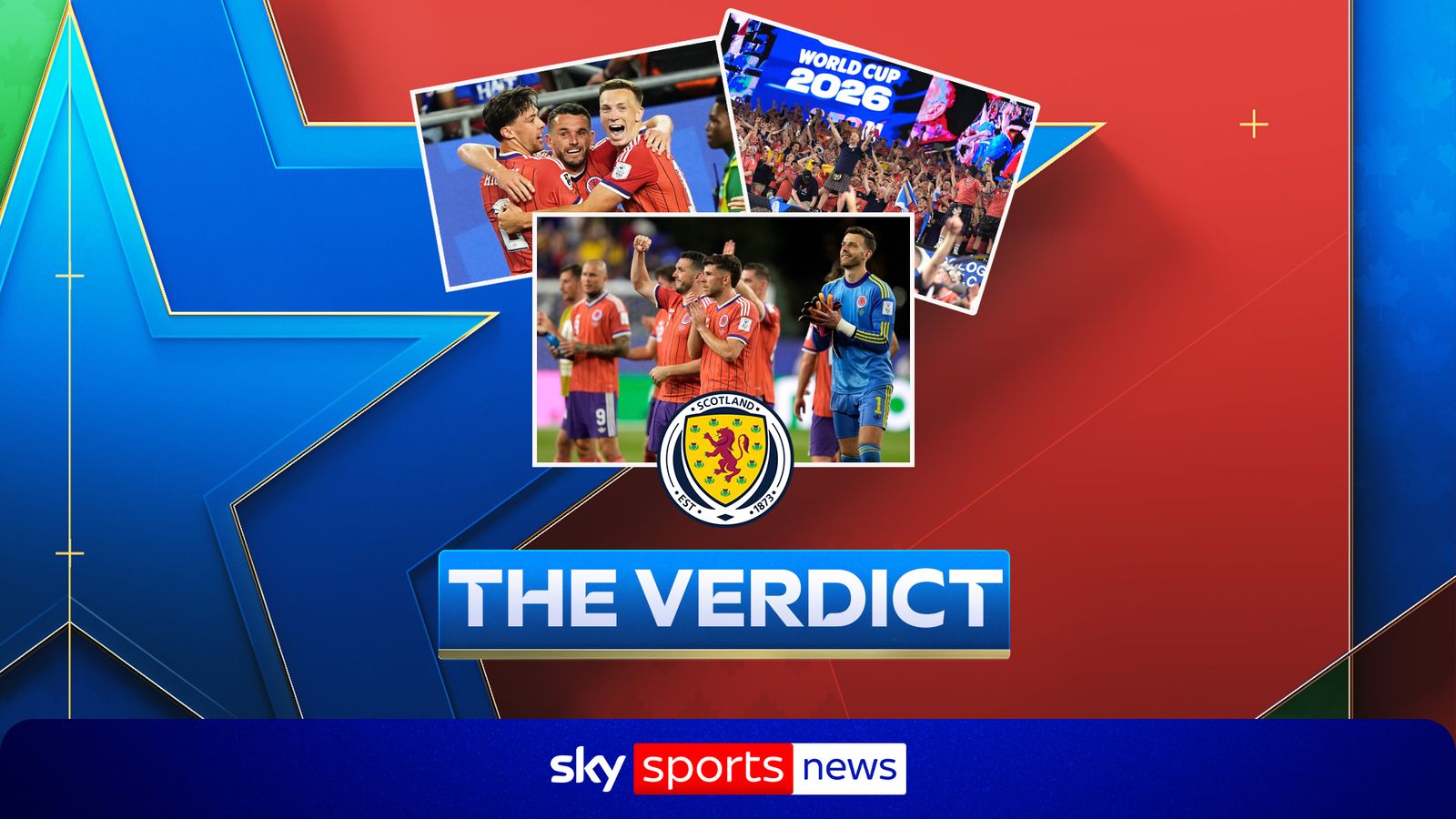
Scotland actually finally won a World Cup game, act natural
19 minutes ago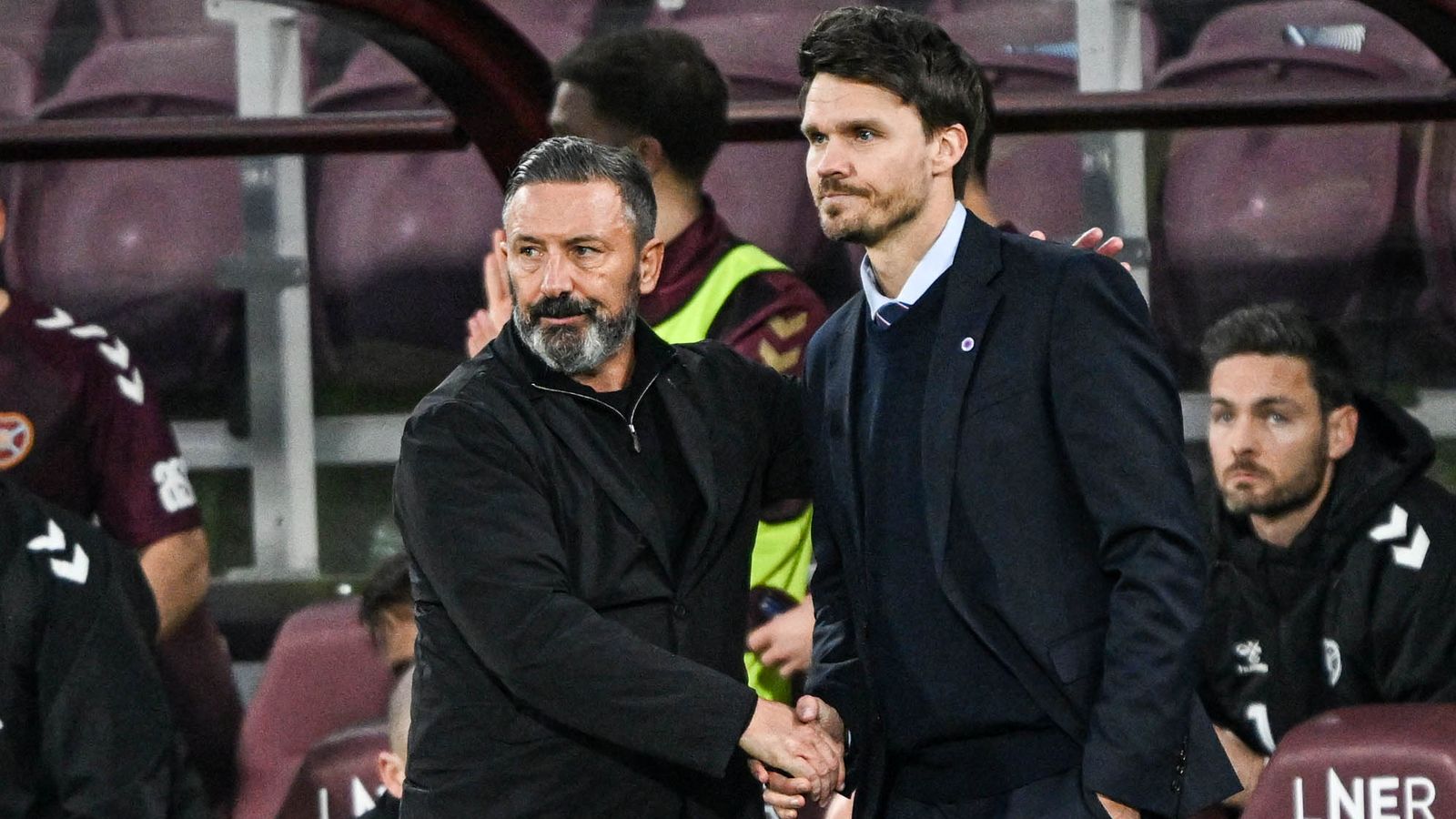
Derek McInnes jumps to Rangers as Danny Röhl era ends
20 minutes ago
Scotland actually did the thing and the internet is losing its collective mind
20 minutes ago
Arsenal go all-in on PSG's Barcola after transfer request
36 minutes ago
Folarin Balogun's breakout lights up the transfer market
36 minutes ago