The 73-day countdown to North American chaos begins
If you thought your morning commute was a disaster, just wait until June. We are officially sitting on Monday, March 30, 2026, and the vibe across the continent is shifting from 'neat, we’re hosting' to 'dear god, where am I going to park?' The Guardian just put out a call for stories from people living in the 16 host cities, and the floodgates haven't just opened—they've been blasted off their hinges by a fire hose of anxiety and hype.
It is exactly 73 days until the ball drops at the Estadio Azteca. We are looking at a tournament that is less of a sporting event and more of a logistical hostage situation spanning three countries. From the rain-soaked streets of Vancouver to the humidity of Miami, the locals are finally realizing that the circus is coming to town, and they’re the ones who have to clean up the elephant dung.
As The Guardian reported today, the focus is squarely on the 16 cities that will anchor this madness. For some, it’s a moment of pride. For others, it’s time to list their one-bedroom apartment on Airbnb for the price of a small yacht and flee to the mountains until July.
The 'RIP My Commute' crowd is out in full force
Predictably, the loudest voices on the forums are the ones currently staring at transit maps in horror. In cities like Atlanta and Los Angeles, the idea of adding a few hundred thousand international fans to an already broken infrastructure is causing literal physical pain. Fans are already predicting that the 'fan experience' will mostly consist of sitting on a bus for four hours while a guy from Belgium explains why their beer is superior.
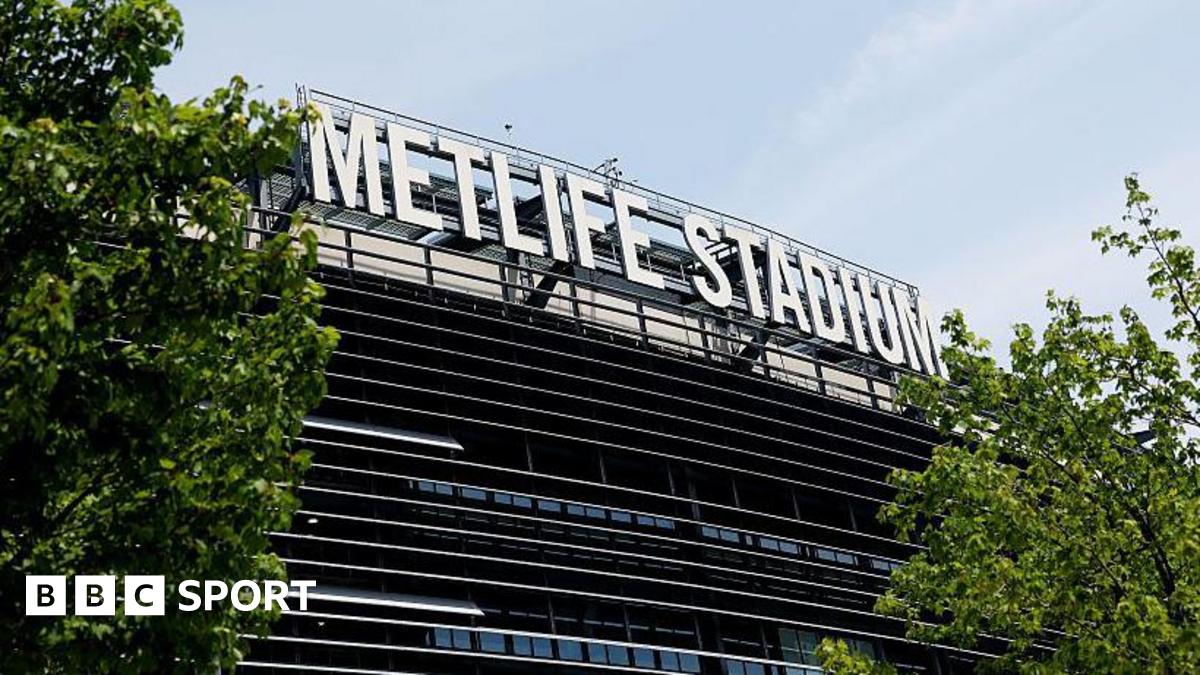
'I live two miles from Mercedes-Benz Stadium,' wrote one user on a local Philly thread. 'At the current rate of construction and the projected crowds, I expect it will take me three days to walk to my mailbox by June. I’m stocking up on canned beans and earplugs now. If you see me screaming at a tourist in a mascot suit, mind your business.'
This isn't just standard NIMBY whining. There is a genuine fear that the 'North American distance' hasn't factored into the travel plans of fans coming from Europe or South America. You can't just 'pop over' from a match in Seattle to see a game in Mexico City. That’s a five-hour flight, not a train ride. The logistical nightmare of 104 matches is finally starting to sink in for the people who actually live here.
Estadio Azteca is the only real temple left
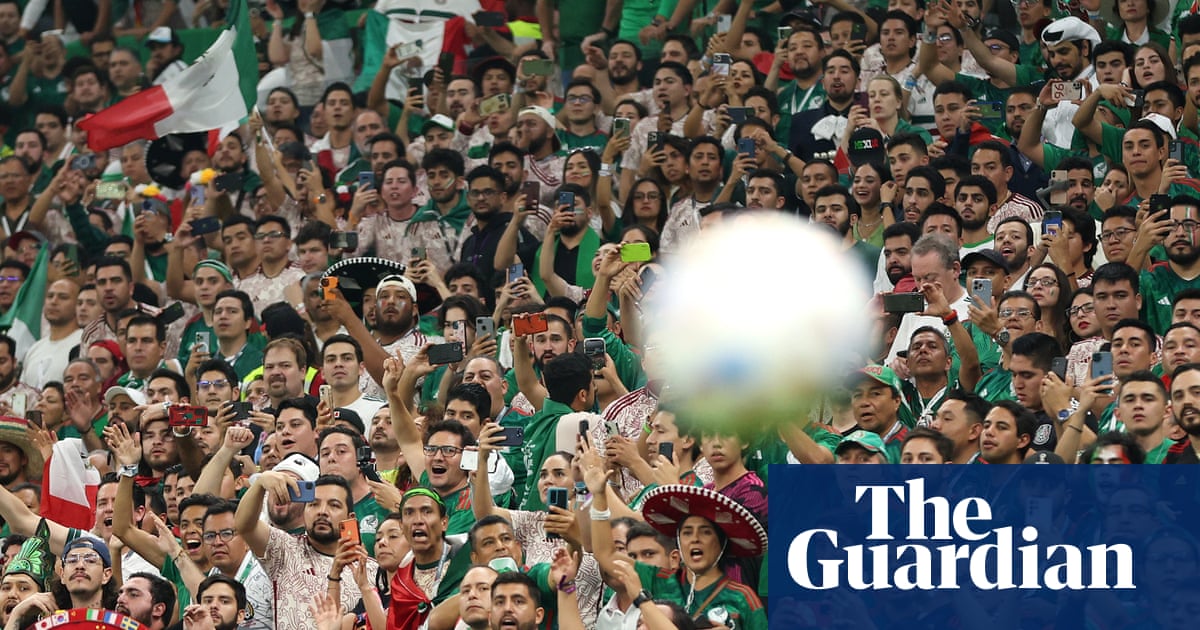
While the US and Canada are arguing about parking spaces, the reaction from Mexico City is on an entirely different planet. There is a deep, fierce pride in the fact that the Azteca will be the first stadium to host the World Cup three times. For the locals there, this isn't a logistical hurdle—it’s a coronation. They don't care about the traffic because the traffic in CDMX is already a permanent state of being.
'The Americans are worried about their 405 freeway,' posted one Mexican fan on a popular soccer Discord. 'We are worried about whether the ghosts of 1970 and 1986 will approve of this new squad. The opening match on June 11, 2026, belongs to us. Let the gringos have the final in New Jersey; we have the soul of the tournament.'
My take? They’re right. There is something sterile about the shiny NFL stadiums being converted for this run. Give me the smog, the history, and the sheer noise of the Azteca any day. The US cities are treating this like a massive corporate convention. Mexico is treating it like a religious holiday. You can guess which one is going to have the better atmosphere.
The 48-team circus and the 'Dilution' debate
We can't talk about fan reactions without addressing the elephant in the room: the expanded 48 teams format. The purists are currently having a collective aneurysm on Reddit. The general consensus among the diehards is that the group stages are going to feature some truly dire football. We are potentially looking at matchups that sound more like Eurovision qualifying rounds than a World Cup.
'I can't wait to see a 0-0 draw between two teams that only qualified because FIFA wanted more TV money from emerging markets,' snarked one frequent r/soccer poster. 'Nothing says 'pinnacle of the sport' like watching a backup keeper from a mid-tier league try to time-waste for 90 minutes in 100-degree Houston heat.'
But the casuals? They love it. The 'more the merrier' crowd is pointing out that for countries like Canada, this expansion is the only reason they’re even in the conversation. It brings more colors, more songs, and more money into the local economies. The tension between 'quality' and 'inclusion' is the defining argument of this pre-tournament cycle. Personally, I think a 48-team World Cup is going to be a bloated, messy, beautiful disaster—and I’m here for every minute of it.
The financial gut-punch of the 'People's Game'
Then there is the money. Or rather, the lack of it in the fans' pockets. Ticket prices have hit the 'laughable' stage. When the cheapest seat in the house for a group stage game between two middle-of-the-pack nations is north of $450, you know the 'People's Game' has been bought and sold. The locals in host cities are realizing they can't even afford to go to the games happening in their own backyards.
'I pay taxes for this stadium,' fumed a resident on a Seattle community board. 'I dealt with the construction, the road closures, and the noise. And now I have to pay two weeks' salary just to sit in the nosebleeds and watch a game through a pair of binoculars? This isn't a tournament for us. It’s a tournament for the corporate sponsors and the 1%.'
This is the dark side of the 2026 hype. The disconnect between the 'stories' the Guardian wants to hear and the reality of the price gouging is stark. Hotels in host cities have already hiked their rates by 400%. If you haven't booked your stay yet, you might as well just buy a tent and hope the local park doesn't have a strict 'no camping' policy during FIFA weeks.
Which side has the stronger argument?
Look, the cynics have the facts on their side. The traffic will be hellish, the tickets are too expensive, and the 48-team format is a blatant cash grab. But the optimists have the 'vibe' on theirs. There is something undeniably electric about a city when the World Cup rolls in. It changes the air. Even the grumpiest commuter in Philly is going to feel a little spark when they see a sea of fans from across the globe chanting in the streets.
The stronger argument, unfortunately, belongs to the residents who are worried about the 'aftermath.' We’ve seen this movie before. The circus leaves, the shiny new turf gets ripped up, and the locals are left with the bill and a few commemorative keychains. The Guardian's call for stories is a great way to document the 'now,' but I want to hear from these same people in August 2026 when the dust has settled and the credit card bills arrive.
My advice? If you live in a host city, embrace the madness. Charge $50 for parking on your lawn. Drink a beer with a stranger from a country you can't point to on a map. But for the love of all that is holy, do not try to drive anywhere. Buy a bike, stock your fridge, and prepare for the longest, loudest, and most expensive summer of your life. We are 73 days out, people. Buckle up.