The governing malaise hiding in plain sight
Tomorrow morning, the whistle signals the start of the 2026 FIFA World Cup. While players finalize their set-piece routines and managers obsess over defensive transitions, the atmosphere is marred by administrative failure. As the BBC recently highlighted, the leadership at the top of the game remains dangerously detached from the practical realities faced by those trying to attend.
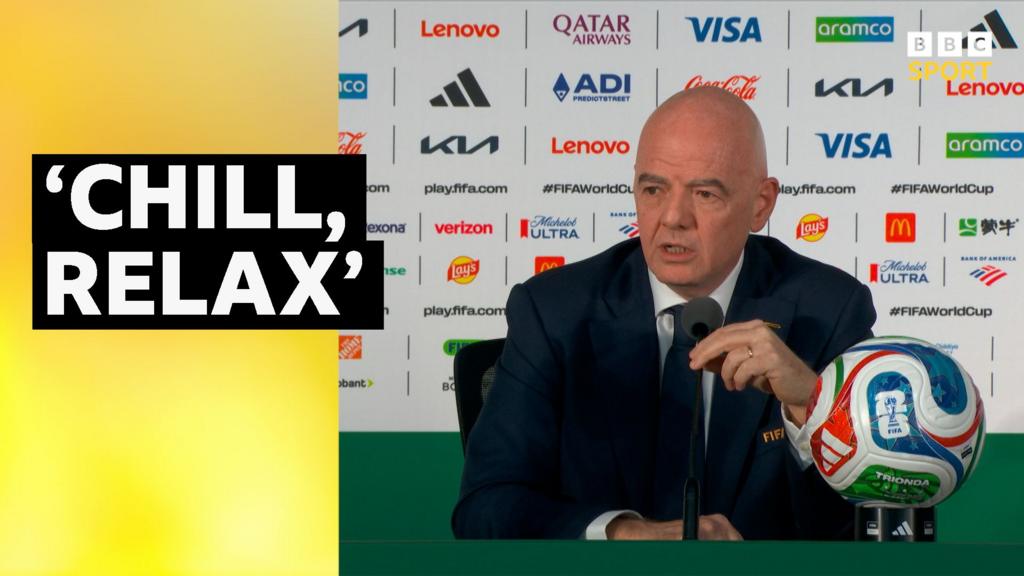
Gianni Infantino’s suggestion that fans and journalists should simply "chill" regarding visa and ticketing issues is a dismissal of the structural dysfunction plaguing the buildup. When the governing body treats logistical catastrophes as minor inconveniences, it ignores the basic operational standards required to manage a global tournament. If the accreditation process is broken on day zero, one wonders how the security and movement of millions will function once the matches actually commence.
Tactical rigidity meets administrative chaos
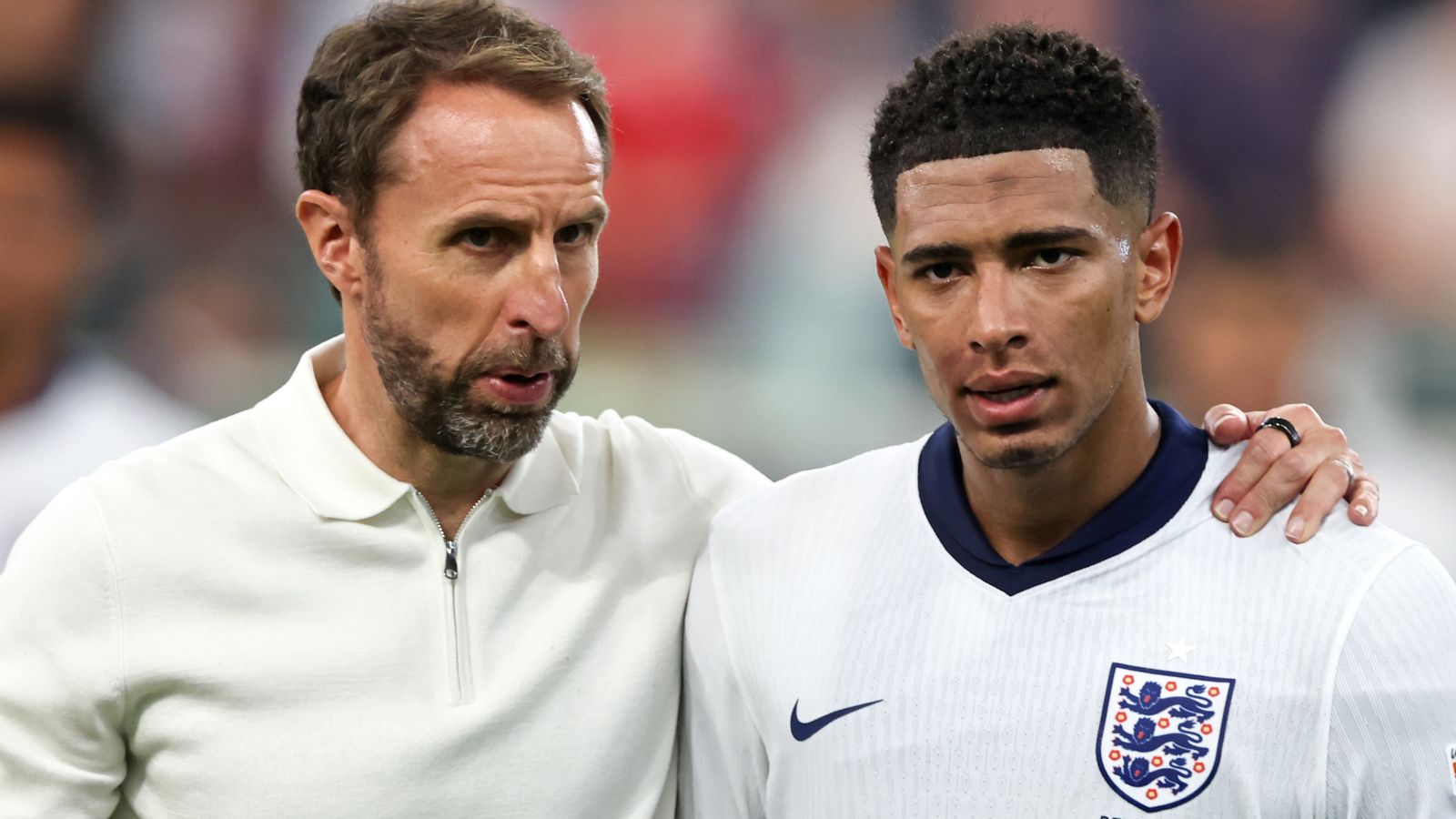
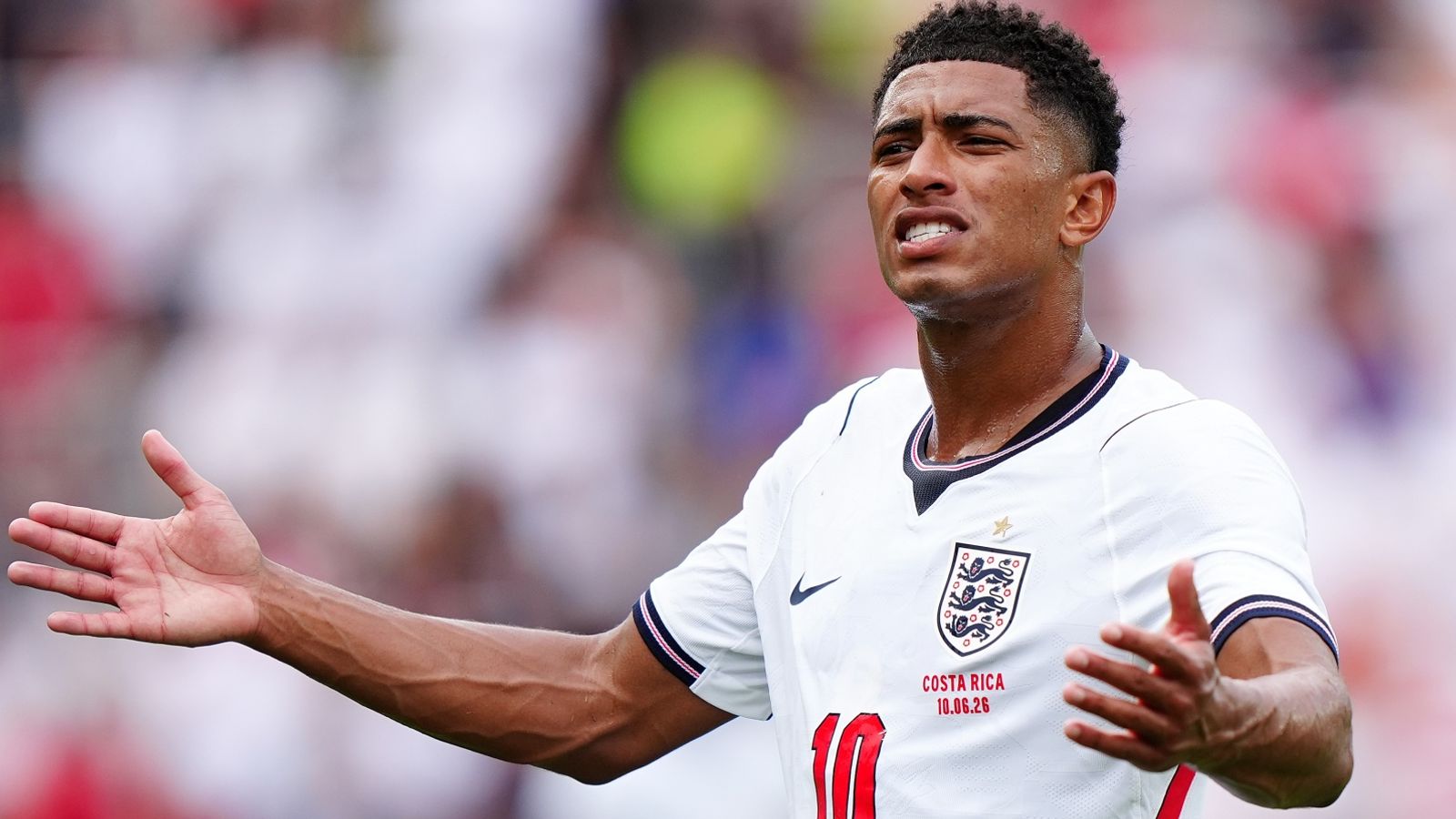
England arrives in this environment with a squad defined by high-ceiling talent but weighed down by lingering tactical questions. We have watched eighteen months of football that oscillates between defensive pragmatism and confusion in the final third. The expected reliance on individual brilliance to solve low-block problems is an admission that the system lacks a reliable way to break down organized defensive lines.
The scheduling has only exacerbated these frustrations. The monsoon-stricken pitch in Orlando during the warm-up period served as a visual metaphor for the uneven preparation leading into this month. While teams like Brazil and France have established clear patterns of play within their 4-3-3 frameworks, England remains anchored to a formation that prioritizes structure at the expense of fluidity. The xG profiles during the qualifying cycle suggest a team that creates high-quality shots only when the opponent offers space in transition, leaving the possession game look toothless.
The reality check
There is no benefit in pretending these issues will resolve themselves once the ball is in play. Tournament football demands a distinct adaptability—the ability to shift from a high press to a mid-block without losing the verticality that defines the modern game. If the coaching staff cannot find a mid-game pivot for when the primary Plan A fails, they will be outmaneuvered by nations with more defined tactical identities.
My prediction for the opening stages is grounded in this lack of internal cohesion. England will likely stumble against a resolute defensive unit before winning on individual merit, a result that will mask the underlying flaws until they are exposed in the knockout rounds. They are talented enough to reach the semifinals, but they are not currently cohesive enough to win the trophy. Expect heavy frustration by the second group stage match.