Broken lines and tactical anemia
The performance against Bosnia and Herzegovina revealed a worrying dependency on individual brilliance to fix structural failures. For stretches of that match, the pivot remained entirely static, failing to offer a passing lane while the Bosnian defensive block shifted with agonizing ease. The midfield three operated in isolation rather than as a cohesive unit.
We observed the Canada and Bosnia stalemate in Toronto with frustration. When the ball moved into the final third, the lack of third-man runs left the attackers stranded. The xG accumulation stalled because the ball speed entering the box was sluggish, allowing defenders to recover their defensive shape within seconds.
The Marsch high-press paradox
Jesse Marsch demands an aggressive, high-energy transition system. Yet, the evidence from the recent window suggests the players are struggling to maintain the necessary verticality. The team looked tired as early as the 60th minute, with the gap between the defensive line and the front four stretching to nearly 40 yards.
This space is a gift for disciplined international sides. When the press was bypassed, the defenders were often caught flat-footed. We saw them scramble to recover during several counter-attacks where the opposition found seams between the center-backs. It is a recurring tactical flaw that necessitates more than just energy to resolve.
Midfield rotations and personnel needs
The current personnel setup lacks a genuine progressive passer from deep. The recycle rate in the center of the pitch remains too low, hovering around 82% over the last two matches. Without someone to dictate the tempo of possession, the team is forced to rely on forced long balls that bypass the midfield entirely.
If the plan is to play through the middle, the team needs a pivot who can turn under pressure. Moving one of the interiors into a deeper role early in the match could stabilize the build-up phase. If they persist with the current formation, they will continue to see the ball recycled on the wings rather than through the heart of the opponent's formation.
Expectations for the upcoming week
The coaching staff must address the diagonal spacing between the full-backs and the center-backs. During the draw, the overlapping runs from Bosnia often caught the Canadian defensive unit narrow, forcing errors in defensive positioning near the half-space. The final scoreline of 1-1 was a generous reflection of a disjointed display.
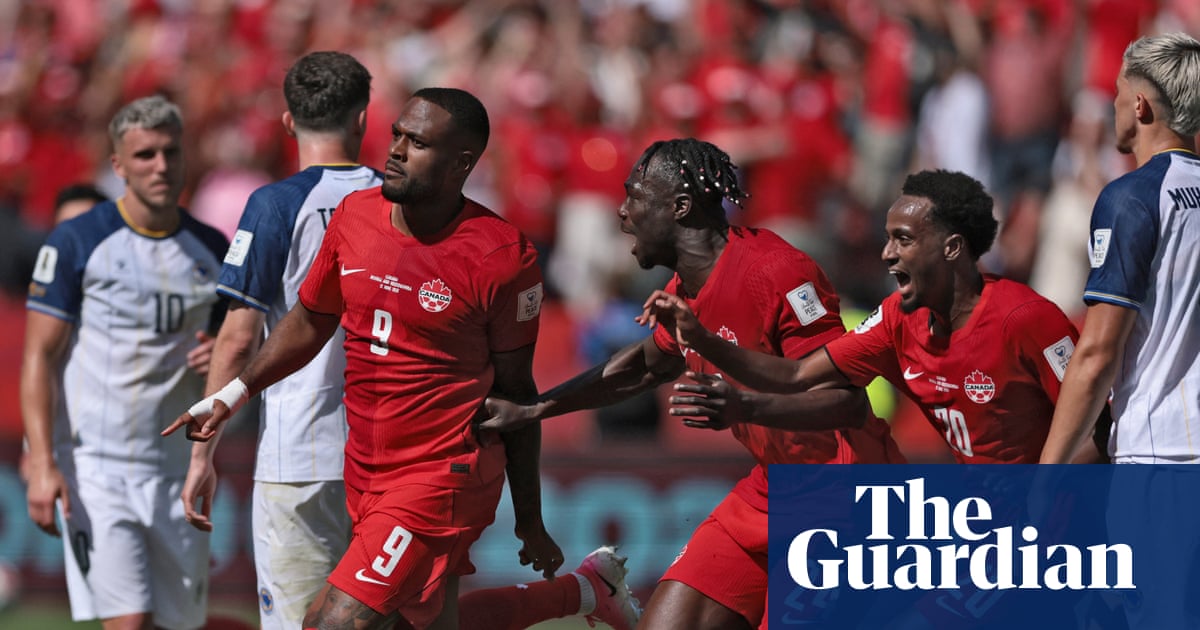
If the tactical application does not improve, the next fixture will end in a loss rather than a hard-fought draw. The reliance on late heroics like the one from Larin is not a sustainable model for international success. I predict the next match ends 2-0 for the opposition as the team struggles to adapt their high-press rhythm to a superior technical opponent. The work required in the training ground is immense, and time is a luxury the squad simply does not have right now.
Read Next
- Canada’s defensive discipline is the only path forward against Bosnia
- Canada’s lack of clinical edge proves costly against Bosnia-Herzegovina
- Canada's World Cup opener exposed their tactical fragility
- Canada’s profligacy in the final third threatens their World Cup run
- 🇨🇦 Canada World Cup 2026 — Les Rouges Hub