The Suffolk vacuum is a disaster for Ipswich Town
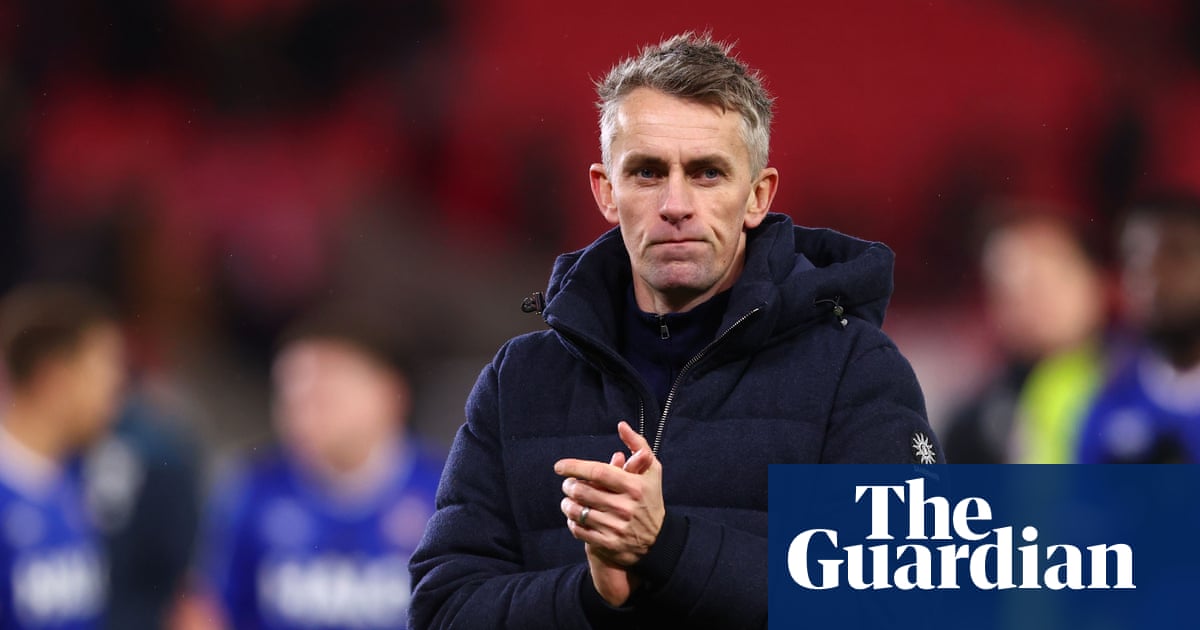
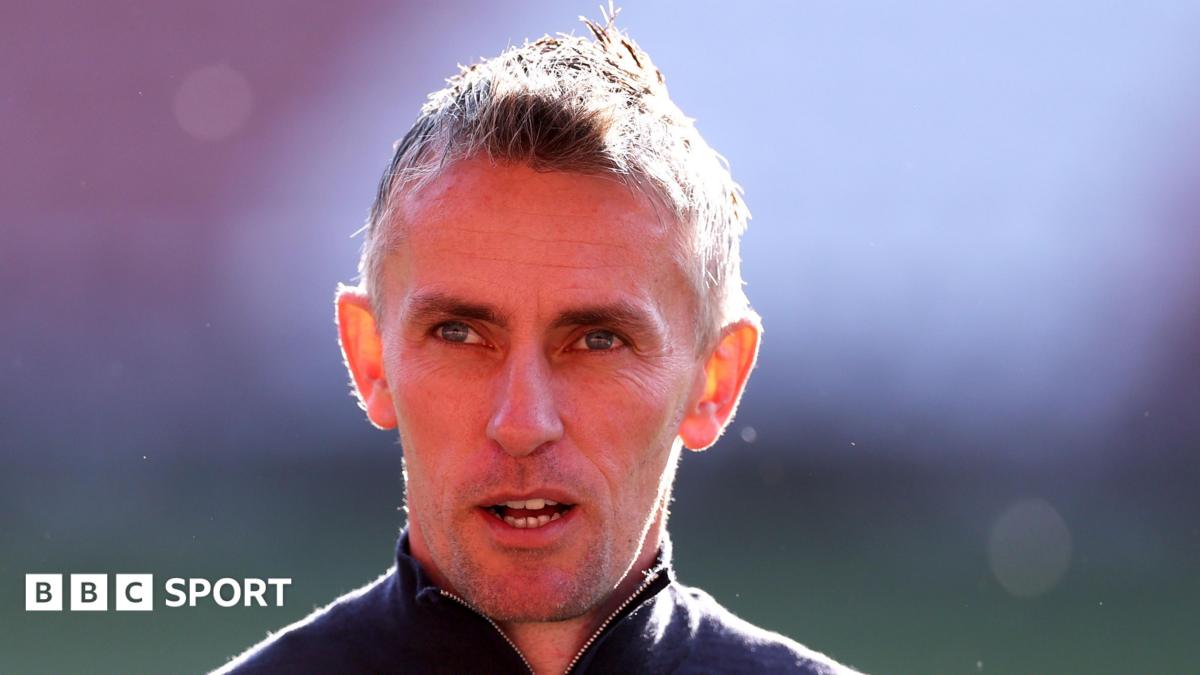
The timing could not be more catastrophic. With the sporting world turning its gaze toward the FIFA World Cup kickoff on June 11, 2026, the silence emanating from Portman Road is deafening. Ipswich Town, a side that captured the domestic imagination during their ascension, has been left without a general in the dugout. Kieran McKenna’s resignation, as reported by the BBC, strips the club of its most valuable asset just as the Premier League reality starts to bite.
McKenna’s philosophy redefined how Ipswich operated in the Championship. He instituted a high-pressing, possession-oriented structure that necessitated immense tactical discipline from his fullbacks. Without his specific instruction on inversion triggers, the squad he leaves behind lacks a cohesive identity. This is not a rebuilding phase; this is a tactical freefall.
The mechanics of the departure
Data tells the story of why this hurts. Over the last two seasons, McKenna maintained a points-per-game average that few managers in the second tier could replicate. His focus on rapid transitions frequently pulled opposing defensive lines out of their shell, allowing his attack-minded midfielders to exploit space in the half-spaces. We are not talking about simple route-one football. We are talking about 62 percent average possession throughout the 2025/26 campaign.
When a manager leaves on the eve of a new competition, the structural integrity of the squad suffers. Tactical patterns built over thirty-eight league games are now prone to dissolution. Who now dictates the width? Who instructs the transition from a 4-2-3-1 to a low block? The responsibility falls to a backroom staff that was built to support, not lead.
Why boardrooms must be held accountable
There is an inherent instability in allowing a manager of McKenna’s pedigree to reach a point of resignation during such a vital transition. If the leadership could not align their vision with his tactical requirements, that fracture should have been resolved months ago. Allowing this to manifest just 24 hours before the global football festivities shift the conversation away from league matters is a classic failure in boardroom management.
The club now faces the daunting prospect of finding a successor who can replicate that high-intensity pressing rhythm without the benefit of a full preseason to implement their own philosophy. This is a mess. It smacks of an organization that assumed its promotion momentum would carry it comfortably through the summer, failing to account for the mobility of its own staff.
My prediction for the season ahead is grim. Without the manager who maximized the output of a modest budget, Ipswich will struggle to maintain their defensive organization against elite strikers. Expect them to concede in the first 15 minutes in at least half of their opening ten matches. Unless the board pulls off a miracle hire within the next fortnight, they are the clear favorites for the drop.