A shifting national mood reflected in the numbers
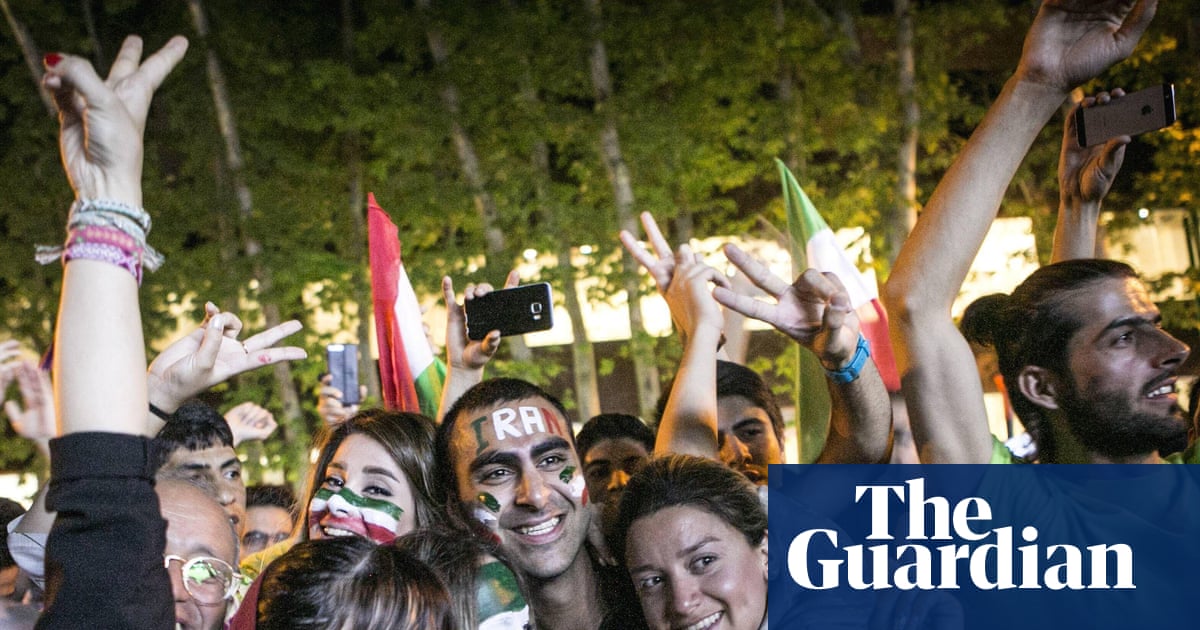
In 1990, the FIFA World Cup was a unifying vehicle for Iranian cultural identity. Today, six days before the 2026 tournament kickoff, the streets of Tehran are silent. The atmosphere is starkly different from the era captured by Abbas Kiarostami, when the sport served as a singular focal point for collective joy.
Economic indicators suggest this detachment is rational. The Iranian rial has faced significant depreciation, impacting the average household's ability to participate in the auxiliary markets that usually surround a World Cup. Domestic consumer sentiment is at a multi-year low, contrasting with the fervour seen in previous tournament cycles.
The statistical gap between pride and apathy
Historical data indicates that national team performance often masks deeper socioeconomic fractures. During the 2014 and 2018 cycles, average stadium attendance in the Persian Gulf Pro League hovered near 18,000 per match. Recent internal reporting shows this figure has dipped below 12,000 in domestic fixtures.
This 33% decline in physical attendance correlates with broader disillusionment regarding internal sporting administration. While top-tier clubs remain operational, the disconnect between the federation and the fan base is quantifiable. Ticket prices for local matches, despite inflation, have not been adjusted to meet the purchasing power of the average worker.
Analyzing the disconnect with Team Melli
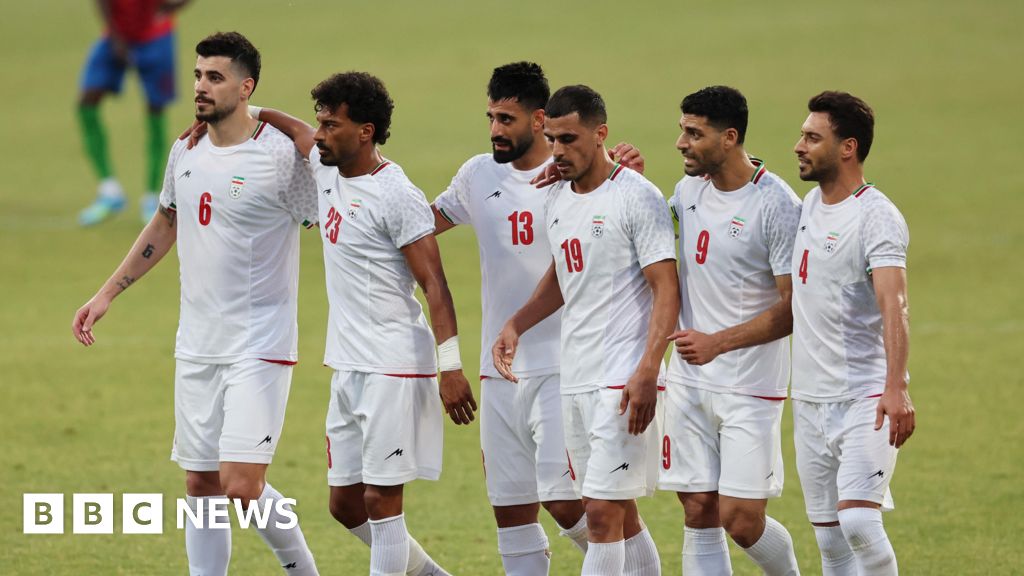
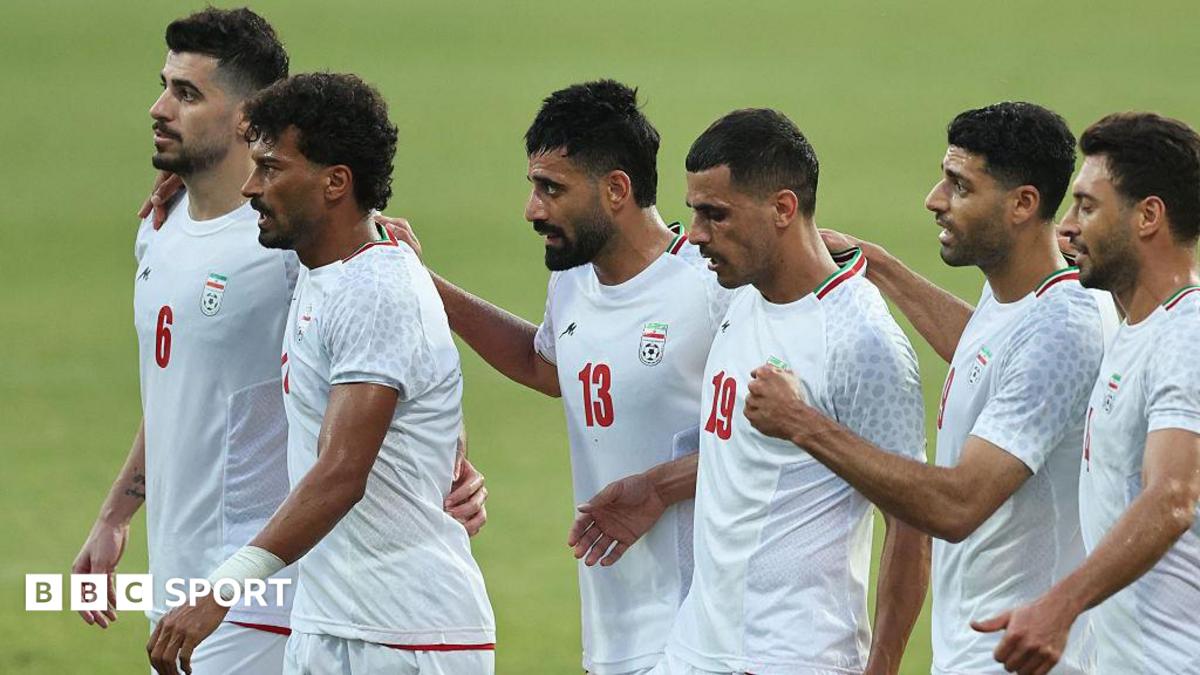
The national team has become a lightning rod for broader grievances. Historically, the squad claimed the support of an entire nation regardless of internal political alignment. Now, social media engagement among Iranian fans regarding the upcoming tournament has dropped by 40% compared to the lead-up for Qatar 2022.
The current 19.2% inflation rate mentioned in recent regional analyses is driving a shift in household priorities. As reported by The Guardian, the joy once synonymous with World Cup cycles has been replaced by a quiet, pervasive fatigue. The team is no longer a vacuum where politics disappear; it is instead a mirror reflecting the country's internal struggles.
Quantifying the decline in institutional support
The federation's inability to modernize infrastructure is evident in the static nature of youth development statistics. Since 2020, the budget for grassroots programmes in provincial areas has remained flat, lagging behind the growth seen in neighboring countries like Saudi Arabia or Qatar. When adjusted for currency fluctuations, investment in youth football has effectively decreased by 22% over five years.
Furthermore, tactical evolution within the national squad has stalled. The team’s average pass completion rate in competitive fixtures remains at 78%, identical to figures recorded in 2016. In a modern tactical environment where transitions demand higher precision, stagnation is equivalent to regression.
The result is a national squad caught in a purgatory of stagnant development and public indifference. The tactical limitations displayed on the pitch serve as an apt metaphor for the broader systemic hurdles the country faces. When the tournament kicks off in 6 days, the lack of anticipation in Tehran will provide a clear, data-backed verdict on the current state of the nation's footballing spirit.
Read Next
- England’s 2026 World Cup squad is a ticking clock of anxiety
- Brazil's 2026 World Cup path is a minefield waiting to blow up
- Brazil's gauntlet: Why the group stage is a total trap for the Seleção
- England’s group stage path is a minefield and nobody is talking about it
- 🏆 World Cup 2026 — Full Coverage Hub
- 🇮🇷 Iran World Cup 2026 — Team Melli Hub