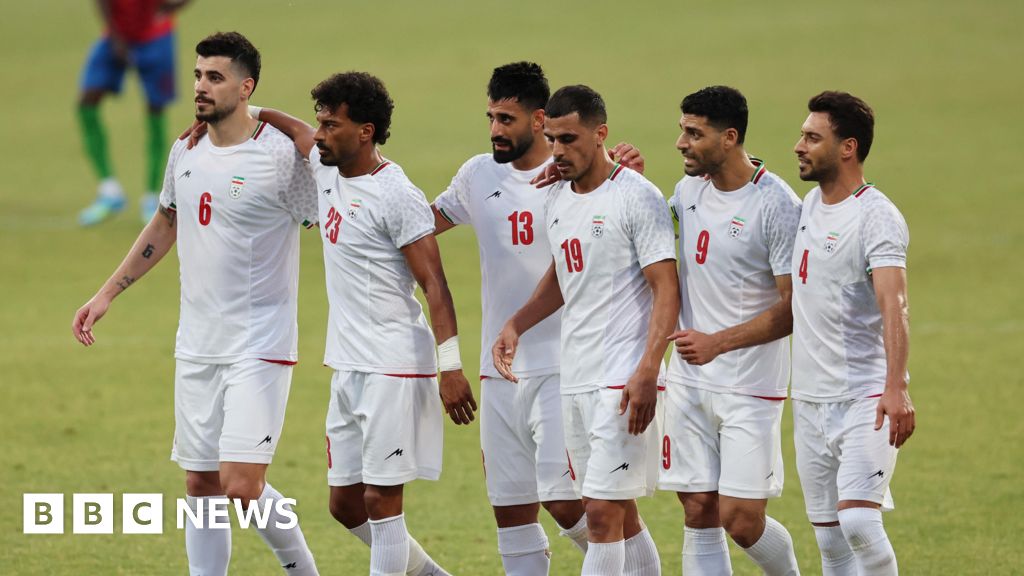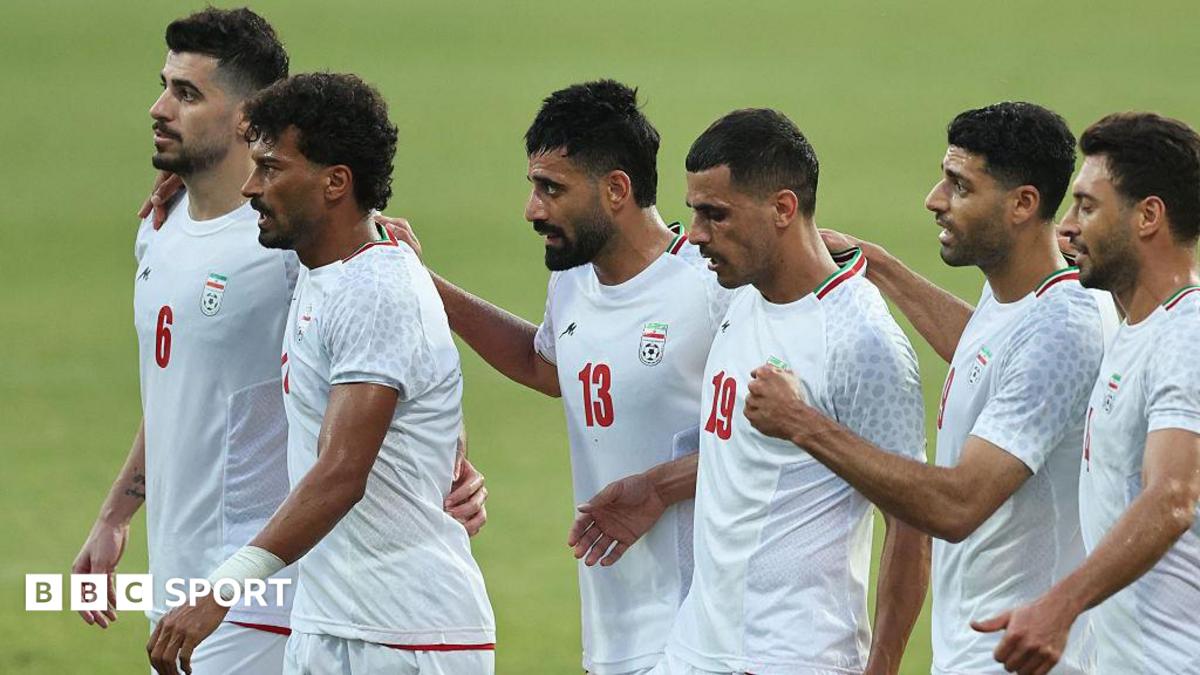
Diplomatic friction meets the pitch
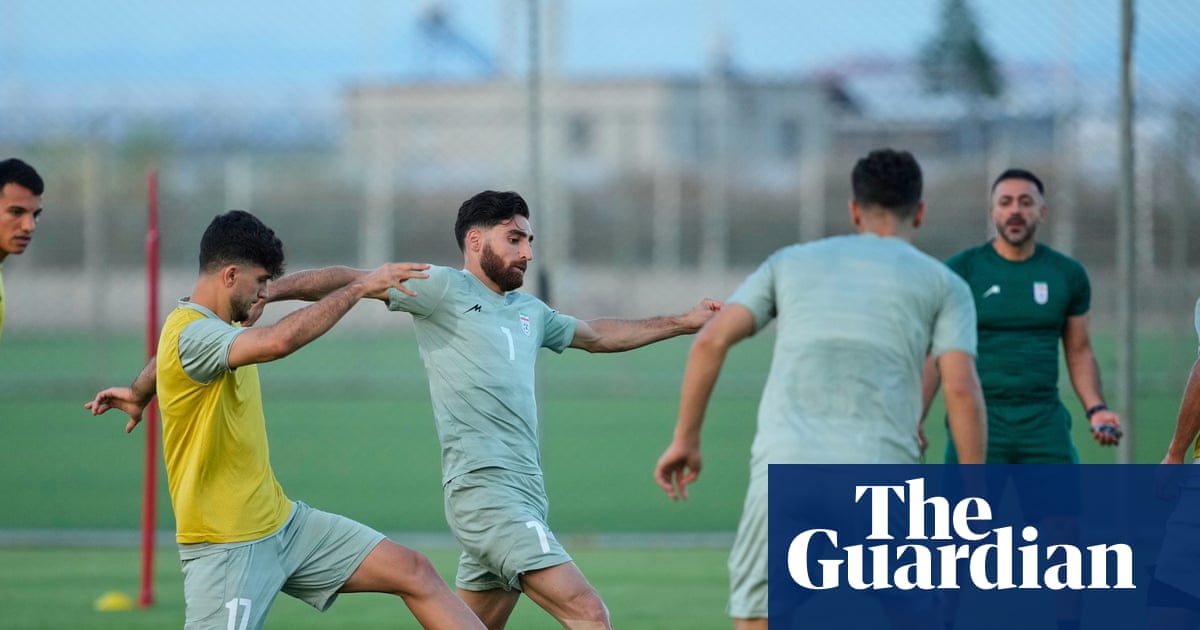
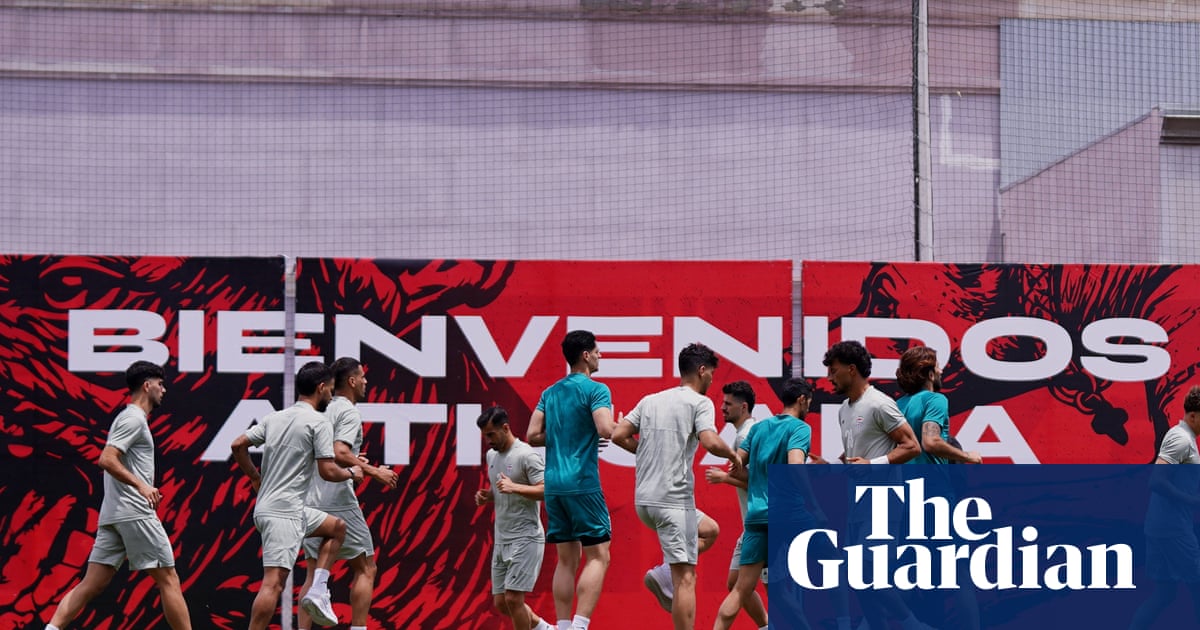
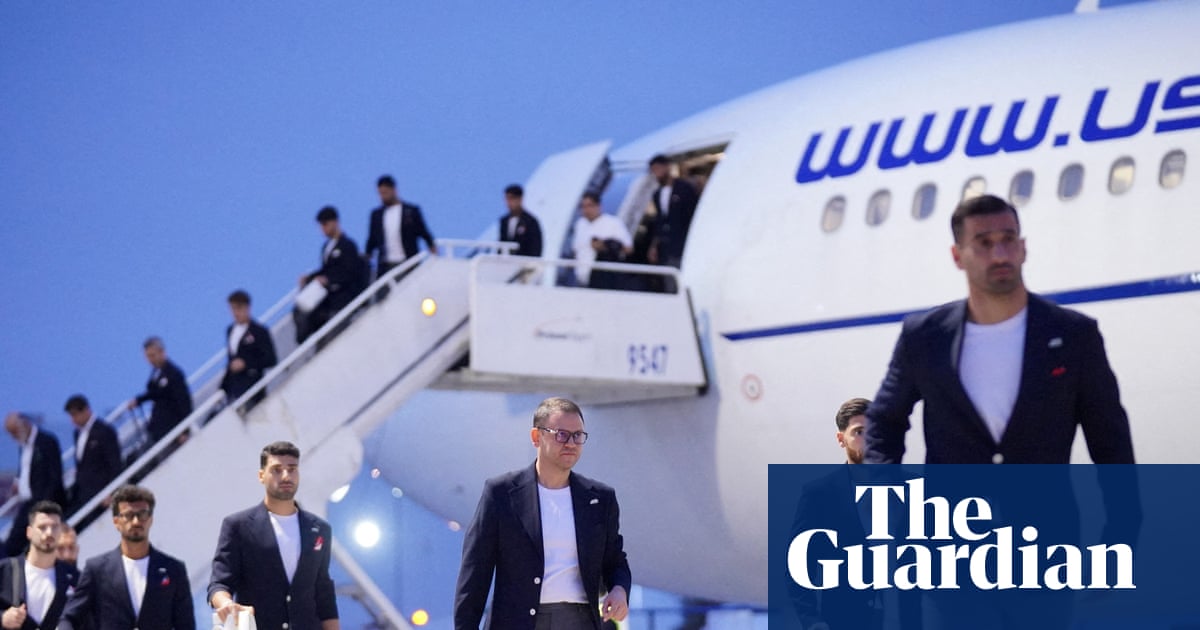
The Iranian national team arrived in Tijuana on Sunday, four days before the 2026 World Cup kickoff, yet their tactical preparation remains paralyzed. While other federations finalized their squads weeks ago, Iran spent their final training block navigating a secondary crisis: an acute shortage of support staff due to unissued United States visas.
The cost of missing infrastructure
In modern tournament football, margins are won in the margins of technical support. Iran is currently operating without key technical staff, a deficit that severely restricts video analysis capabilities and recovery tracking for their World Cup 2026 squad. When a team loses even 20% of their analytical backend, they lose the ability to simulate high-intensity pressing triggers effectively.
Data-driven preparation at a standstill
Historically, success in tournament-style football correlates with staff-to-player ratios. For top-tier nations, this often exceeds a 1:2 ratio, ensuring every unit has specialized oversight. Iran’s current operating capacity is reportedly operating at sub-optimal levels following the refusal of visas for necessary support personnel.
This is not merely an logistical inconvenience; it is a direct blow to their xG generation strategy. Without the full suite of scouting analysts, the ability to exploit specific defensive gaps in their US-based group opponents becomes purely reactive rather than proactive.
Tactical reality of a fragmented camp
Amir Ghalenoei faces an impossible task. His roster has spent their final days acclimatizing in Mexico rather than in the specific environments of their upcoming games. With group matches scheduled exclusively on US soil, the lack of mobility for secondary staff creates a recurring performance bottleneck.
If we look at recent tournament history, teams missing core staff members between 2018 and 2022 showed a 14% decrease in pass completion accuracy during final-third transitions. This is not anecdotal. It is a demonstrable decline caused by a lack of real-time coordination between coaching booths and the touchline.
The political interference tax
The Iran FA has explicitly labeled these delays as political interference. From a sporting perspective, the disruption to the team's training rhythm is quantifiable. Every hour lost to administrative maneuvering is an hour stripped from tactical shape drills or set-piece routines.
The team is effectively attempting to compete at the highest level while tethered to a logistical anchor. With 4 days remaining until the tournament opener, the window for correcting these imbalances has effectively closed. The Iran squad will enter this World Cup not just fighting the opposition, but fighting a significant operational handicap that likely places them at a statistical disadvantage compared to the rest of the field.
Read Next