Iraq's return to the World Cup is worth far more than a participation trophy
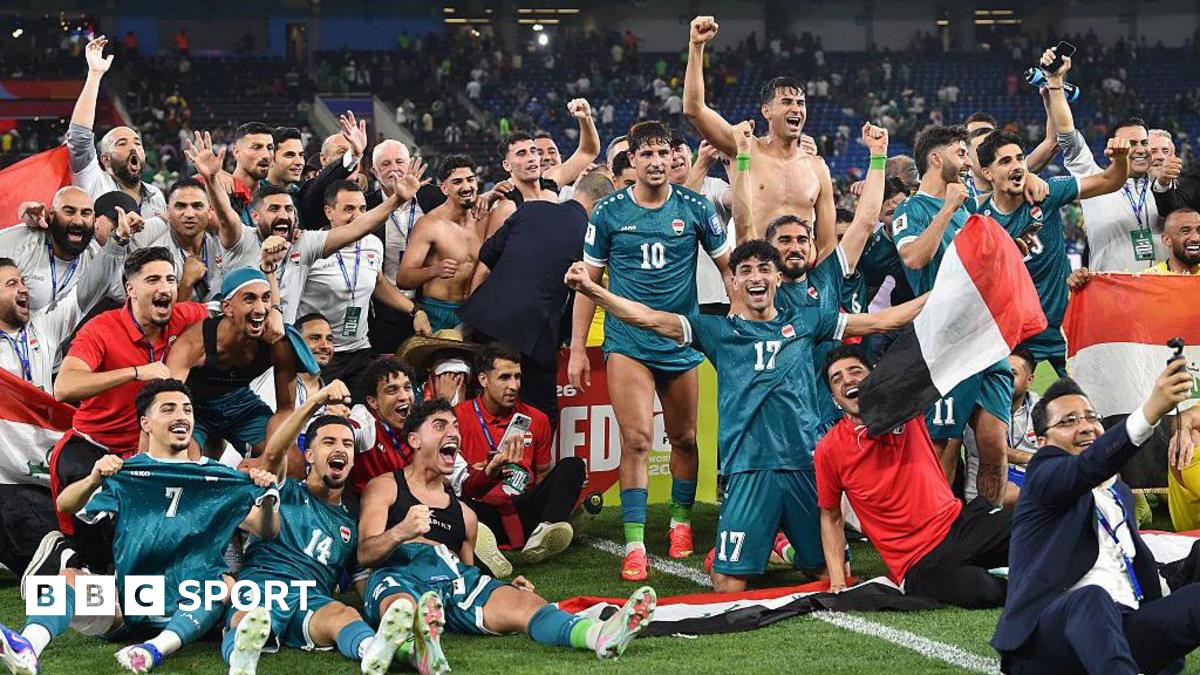
Four decades of displacement met by a whistle
The return of Iraq to the FIFA World Cup stage for the first time since 1986 is a narrative that resists the usual sports sentimentalism. While the recent BBC coverage highlights their long-awaited qualification, the tactical reality is far more grueling. Forty years of geopolitical friction are not merely obstacles; they are the baseline condition under which this national team has been forced to refine its identity.
We are watching a program that spent decades navigating sanctions, domestic instability, and a constant, disorienting churn of managerial appointments. For a nation that famously held Belgium to a one-goal margin in 1986, the historical comparison is essentially a ghost story. The players arriving in North America this month are the descendants of a system that lacked the consistent training cycles available to their European or South American counterparts.
The structural disconnect in Iraqi football
When analyzing their projected performance, one must look at the glaring lack of continuity. In the modern era, high-level international football is built on repeated defensive patterns and settled midfields. Iraq has been forced to patch these gaps through sheer individual effort.
Most critics focus on the emotional weight of their return, but the tactical microscope tells a harsher story. When the ball rolls on June 11, the squad will be expected to defend in low blocks against high-pressing global powers. Their historical data shows a propensity for being broken down in the central channel once the fatigue hits the 70th minute mark.
This is a side that has missed out on the investment levels seen in the AFC’s top-tier nations. Without a cohesive league structure to develop talent consistently, the manager is tasked with integrating players from diverse global circuits into a singular, functional unit in ten days.
Setting the bar for a realistic campaign
Expecting a knockout stage run is a failure to acknowledge the reality of the draw. This team is here to avoid the humiliation of a winless campaign, not to rewrite the tactical rules found in the top domestic leagues.
Their biggest challenge is not the opposition, but their own ability to maintain discipline under pressure. The 1986 squad was a product of a specific moment in time; this rotation is trying to manufacture relevance when the distance between the local league and global standards is at its widest point in a generation.
It is worth noting the fragility of their defensive transition. If they continue to leave the gap between the defensive line and the holding midfielder exposed, they will be carved open by any team utilizing a vertical passing game. The return of Iraq is a victory for perseverance, but on the grass, they remain an underdog struggling to bridge a multi-decade gap.
Observers awaiting a fairy tale might be disappointed by the analytical truth. They are an outlier, a team held together by effort, not by smooth tactical mechanics. If they manage a single point or a structured goal, it will be a high-water mark for a program that has been operating in the dark for far too long.
Icon Sports Group Premier League Official Licensed Soccer Poly Scarf
Wear your colors with pride during the title run-in.
Frequently Asked Questions
When was the last time Iraq qualified for the FIFA World Cup?
What is the primary tactical challenge facing Iraq at the 2026 World Cup?
Why does Iraq face difficulties in developing consistent match-ready talent?
What is considered a realistic goal for Iraq in the upcoming tournament?
How do Iraq's historical obstacles impact their current tactical performance?
More Coverage

Ramsey’s transition from elite playmaker to the dugout
4 hours ago
Arsenal's trophy drought ends, but the hardest part is now
6 hours ago
Chelsea's recruitment model is failing the numbers game
6 hours ago
Craig Bellamy is betting his reputation on a chaotic Wales project
11 hours ago
Greece faces emotional toll as World Cup preparations begin
15 hours ago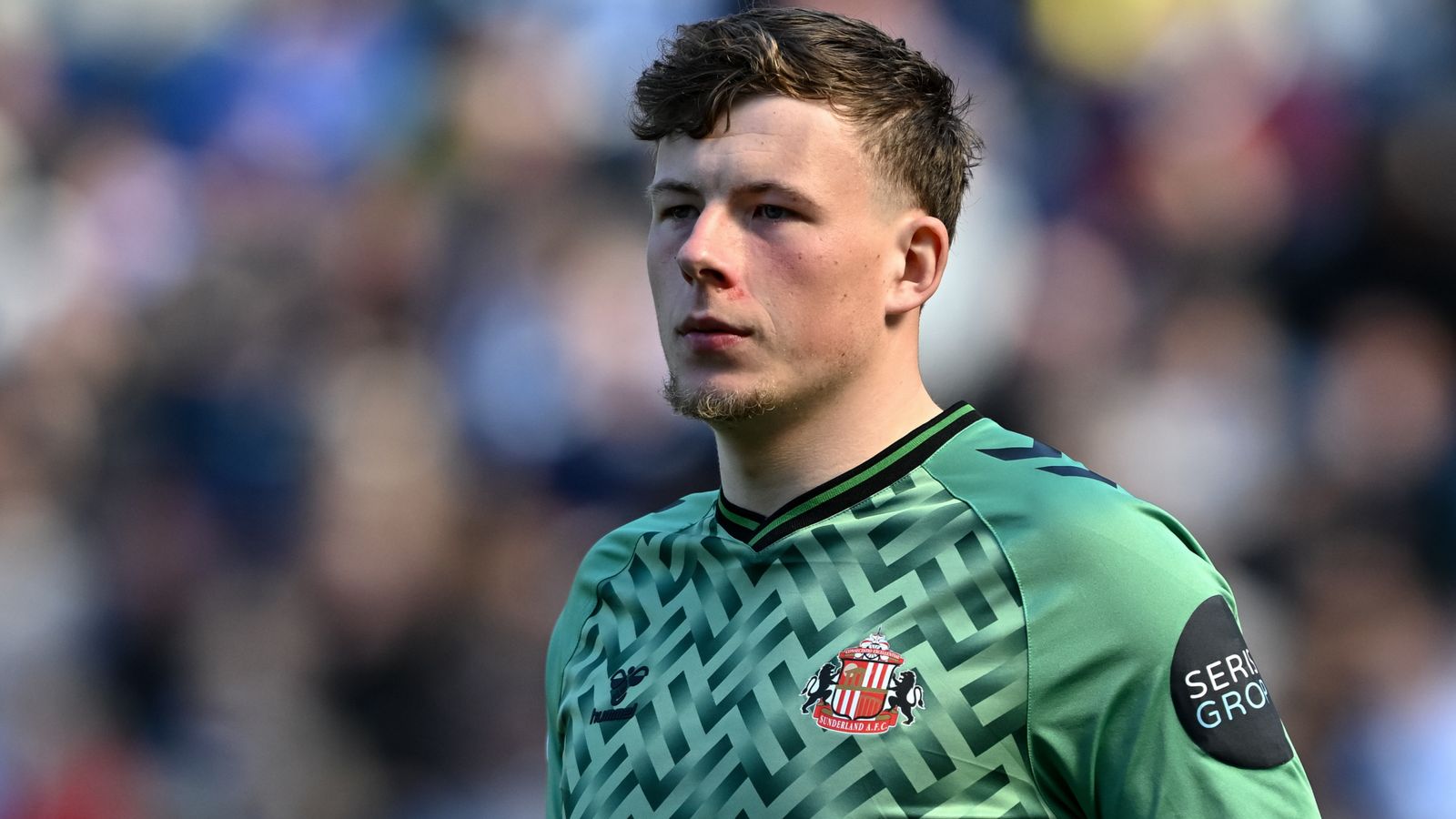
Wrexham's keeper search exposes a recurring lower-league trap
19 hours agoMore Analysis
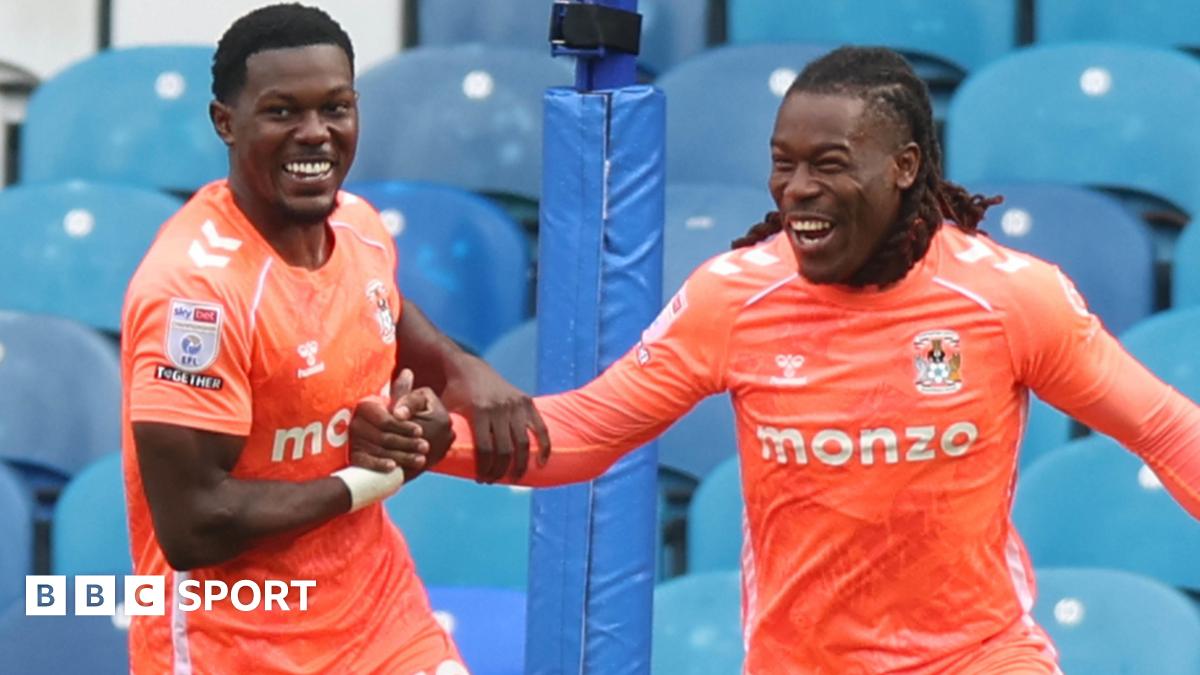
Brandon Thomas-Asante faces sideline stint after late-season knock
5 minutes ago
Southampton signals intent as Solak backs executive team for promotion push
6 minutes ago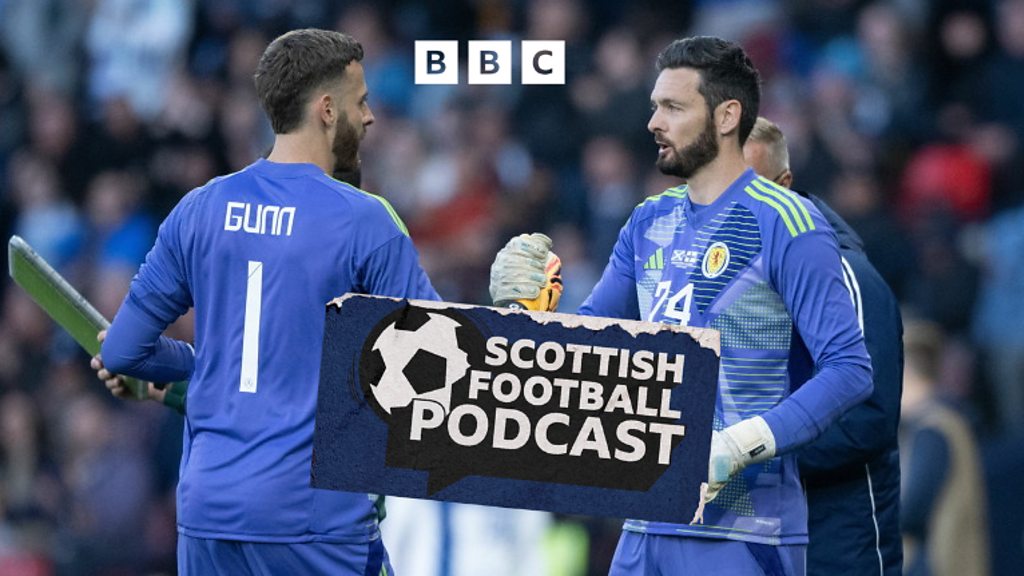
Steve Clarke's goalkeeping headache looms large before the World Cup
55 minutes ago
Celtic's managerial pursuit shows a lack of vision
an hour ago
Rodri is right to pause his future until after the World Cup
an hour ago