The quiet before the global storm
June 1st, 2026. Exactly ten days remain before the whistle blows on the opening match of the FIFA World Cup. The venues are prepped, the kits are finalized, and the squad lists are causing the usual level of fan-driven hysteria.
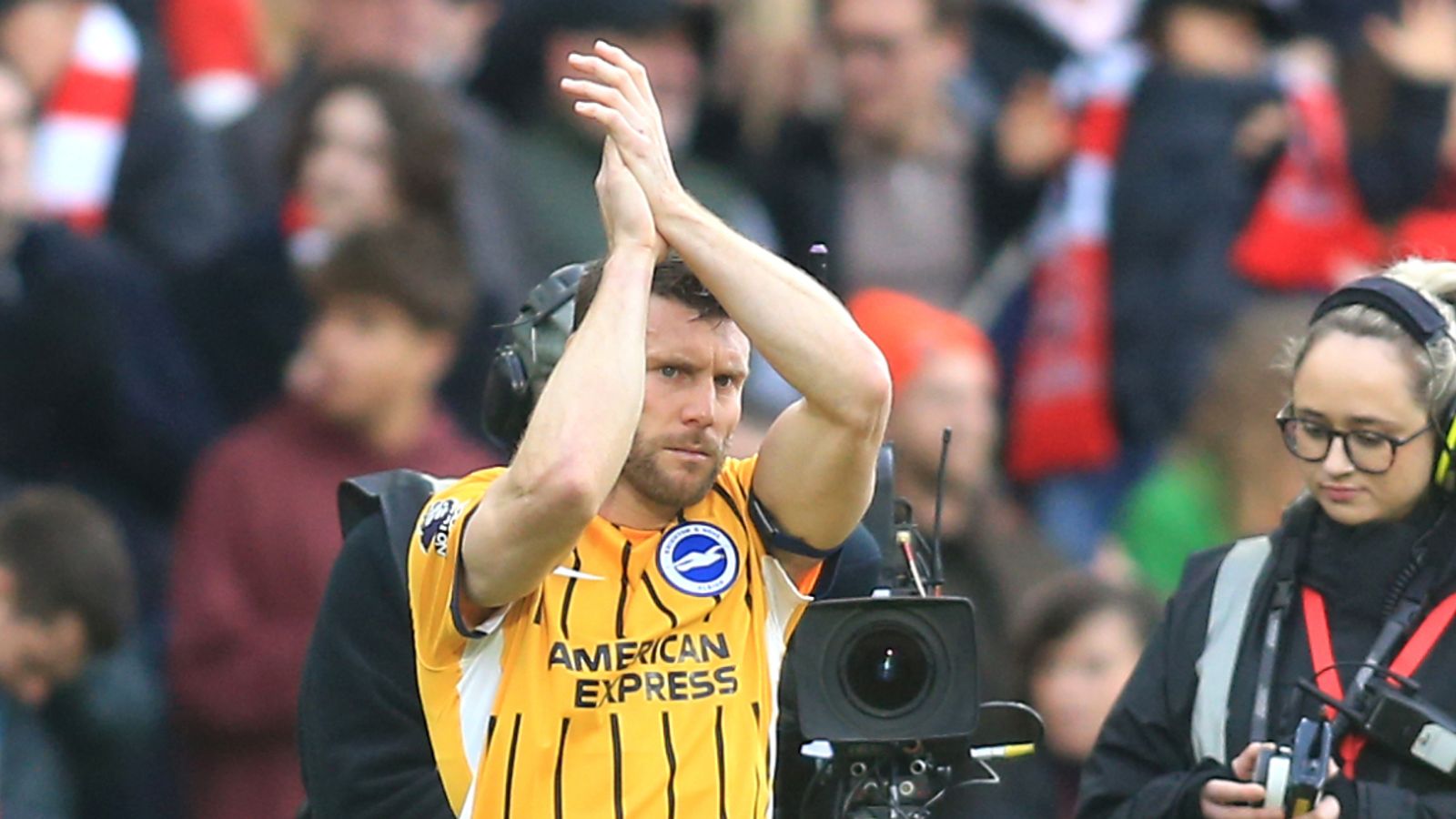
Yet, the mood in the English media has shifted this morning. The retirement of James Milner at 40 years old, as The Guardian reported, serves as a harsh reminder that the sport moves on regardless of our attachment to the old guard. Milner held the record for most Premier League appearances, a standard he set across 24 exhausting seasons.
The shadow cast by the record books
Seeing Milner hang up his boots at Brighton feels like the closing of a chapter that predates many of the younger talents hitting the pitch on June 11th. He was a utility player who somehow turned versatility into an art form.
His career isn't just a collection of medals from City or Liverpool; it is a statistical anomaly. He lasted long enough to play against generations that weren't even born when he debuted for Leeds. That longevity is essentially extinct in the modern game, where high-pressing intensity burns players out by their early thirties.
Why the build-up feels different
We usually focus on the star power of the incoming rosters, but the lack of preparation time this cycle is a legitimate, critical flaw. Club seasons in Europe bled right into the break, and the demands on the players have been relentless for 10 months of consecutive high-stakes rotation.
Tactical models are going to be shaky in the group stages. Expect sloppy second-half displays as legs heavy from domestic campaigns fail to recover during the compressed tournament schedule. The managers who win this aren't the ones with the deepest pools of technical talent, but those who can manage the physiological load of their squads.
The tactical reality check
Most analysts are banking on the usual suspects performing at a baseline level, but I am skeptical. The reliance on high-press systems among the top nations will likely hit a wall by the second week. Watch for the mid-table teams with lower defensive blocks to pull off early upsets, purely because they aren't chasing the ball for 90 minutes while exhausted.
I will hold to this: Brazil survives the group stage, but their reliance on flair over defensive structural discipline will cost them in the Round of 16. The tournament will be won by a pragmatic European side capable of sitting in a 4-4-2. The efficiency of 2022's deeper runs favored organized rigidity, and if teams haven't realized that yet, they are doomed.
My early call
Forget the media hype about the favorites having the best attacking options. The trophy goes to a team that concedes fewer than 4 goals throughout the entire knockout phase. Mark the date: the fatigue factor will dictate the winner before the final whistle even blows on a potential semifinal.
Read Next
- Uruguay just cut Luis Suarez and the tournament feels less dangerous
- The Three Lions are landing in Florida but the vibes are pure chaos
- James Milner is finally calling it quits and we aren't ready
- Why Brazil are the only logical pick for your World Cup second team
- 🏆 World Cup 2026 — Full Coverage Hub