The Reality of the Big Move
The transition to a super club is rarely seamless. For every young player who hits the ground running, dozens more find themselves trapped in a cycle of limited minutes and stalled development. Goalkeeper James Trafford is currently confronting that exact reality.
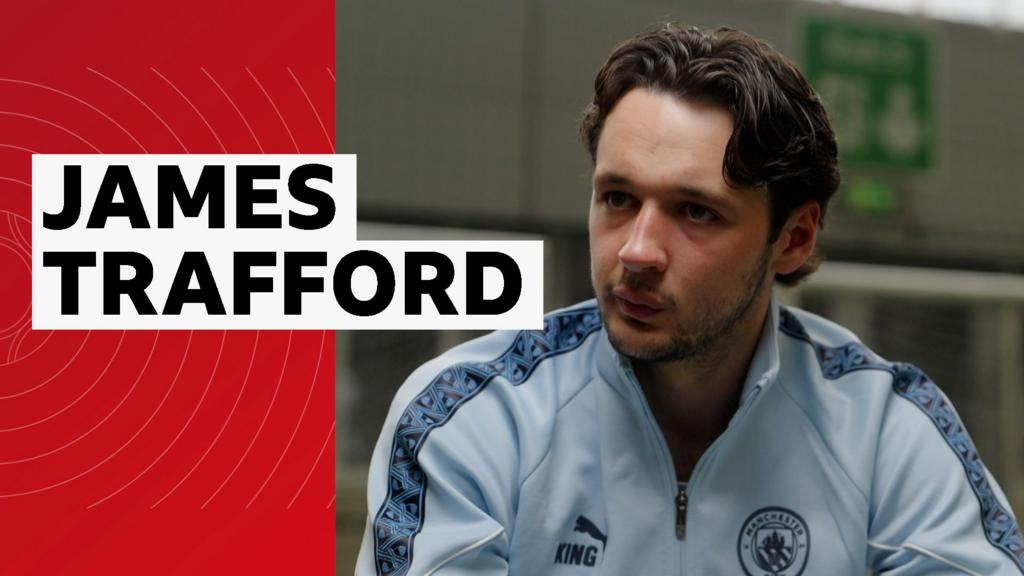
In a surprisingly candid admission, Trafford revealed to the BBC that this season has been a massive learning curve. More significantly, he admitted that his move to Manchester City hasn't been the best possible outcome.
Those words carry weight. It is unusual for an active player to speak so bluntly about a transfer that is still unfolding. Most resort to standard PR talking points, emphasizing patience and trusting the process.
"This season has been a big learning experience... [the] move to Manchester City hasn't been the best possible outcome."
Trafford chose a different route. By openly acknowledging the difficulties, he shines a light on the often-ignored aspect of player welfare: mental fitness and career momentum.
The Psychological Demands of the Bench
Physical injuries dominate the headlines, but developmental stagnation can be just as damaging to a young career. Goalkeeping is a uniquely isolated position. Unlike outfield players who might get twenty minutes at the end of a match to build rhythm, a backup keeper rarely sees the pitch unless there is an emergency.
This lack of match action creates a heavy mental strain. Training ground repetitions cannot replicate the pressure of a live fixture. The decision-making speed required at the highest level dulls without regular testing.
Trafford's admission suggests he is feeling that exact friction. The mental toll of preparing every week, knowing you are unlikely to cross the white line, is immense. It requires a resilient mindset that is difficult to sustain over an entire campaign.
The Silent Toll on Fitness
When discussing player health, the focus inevitably drifts toward hamstrings and knees. Yet, the mental fatigue of isolation and frustration takes a physical toll. Stress and anxiety impact recovery times, sleep quality, and overall physical readiness.
A player who feels their career is stalling is at a higher risk of losing that vital edge. The lack of match-day adrenaline means the body is not regularly pushed to its absolute limits in a competitive setting. You simply cannot replicate the physical exhaustion of a 90-minute scrap in a Tuesday training session.
Over time, this erodes a player's baseline match fitness. If Trafford is called upon suddenly due to an injury to the starter, he faces the massive challenge of stepping into a high-stakes environment cold. This is exactly when muscle injuries often occur—when the body is shocked by sudden, intense competitive demands after months of inactivity.
Historical Precedents
The Premier League era is littered with cautionary tales of promising domestic goalkeepers moving to major clubs too soon. The trajectory is grimly familiar. A young talent shines at a lower level, secures a lucrative transfer, and then disappears into the depths of a bloated squad.
Look back at Richard Wright moving to Arsenal, or Scott Carson's early switch to Liverpool. Both were touted as future England number ones. Both found their progress halted by the immense pressure and lack of consistent game time at a top-tier club.
Jack Butland faced similar hurdles, spending prime developmental years battling injuries and erratic form before finding stability later in his career. The goalkeeper position demands volume. You have to make mistakes, concede goals, and learn how to recover in real-time. Sitting on the bench does not offer that education.
The Manchester City Crucible
Manchester City presents a unique challenge. The tactical demands placed on a goalkeeper in Pep Guardiola's system are famously complex. It is not enough to simply stop shots. The keeper is the first attacker, required to possess the passing range of a central midfielder.
Adapting to this system takes time even for established veterans. For a younger keeper like Trafford, the learning curve is massive. He noted the season has been a big learning experience, which likely points to the intense tactical schooling he is undergoing behind closed doors.
However, learning in training and executing in matches are entirely different beasts. With the first leg of the UCL Semi-Finals just four days away on April 28, Manchester City will rely heavily on their established starters. The margin for error at City is microscopic.
A single misplaced pass can result in a goal, and the scrutiny from fans and media is unrelenting. It is a high-stakes environment that can shatter confidence if a player is not fully prepared.
The Impact of Squad Hoarding
Trafford's situation highlights a broader structural issue within elite football. The financial disparity allows the top clubs to stockpile talent. They buy promising players not necessarily to use them immediately, but to prevent rivals from acquiring them and to hedge against future injuries.
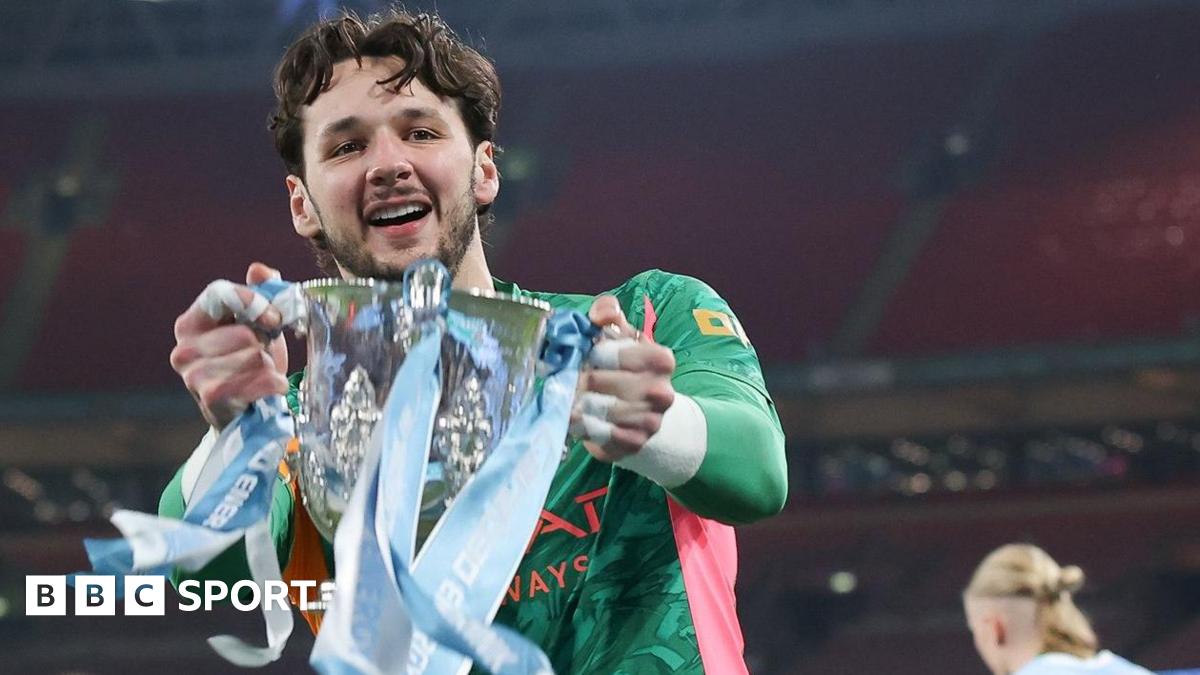
This practice actively harms the overall product. Exciting young players who should be thrilling fans week in and week out are instead relegated to Carabao Cup duty. The competitive balance of the league suffers when the best developmental prospects are warehoused by the elite.
It is a frustrating reality for supporters of clubs further down the pyramid. They watch their homegrown stars leave for the promise of Champions League football, only to see them languish on the sidelines. Trafford's honest assessment of his situation is a rare peek behind the curtain of this system.
Market Dynamics
The summer transfer window is rapidly approaching, and clubs are already positioning themselves. Goalkeepers are a notoriously difficult commodity to trade. Unlike strikers or wingers, where a team can rotate three or four options, there is only one starting spot between the posts.
This severely limits the available destinations for a player looking to revitalize their career. Mid-table Premier League clubs are increasingly opting for experienced European keepers rather than gambling on unproven domestic talent. This trend further complicates the situation for players in Trafford's position.
The Road Ahead
The fact that Trafford feels his move hasn't been the best outcome indicates that conversations about his future are likely already happening. A player with his potential cannot afford another season of minimal involvement. His representatives will undoubtedly be looking for solutions ahead of the summer transfer window.
A permanent move away from Manchester City might be the most logical step. It would require swallowing some pride and perhaps taking a step down the ladder to secure regular starts. However, in the long run, taking a step backward to take two forward is often the smartest career move.
James Trafford's situation is a stark reminder that football is a ruthless industry. Talent and potential are not enough; timing and environment are equally important. His honesty is refreshing, but it also paints a bleak picture of life on the fringes of a massive squad.
As the season winds down, the focus will rightly be on the players on the pitch. But for those watching from the stands, the battle is entirely different. It is a fight to maintain fitness, protect mental health, and salvage a career that is slipping away.
Trafford needs a change of scenery. For the sake of his development and his overall well-being, he must find a club that trusts him with the gloves. The alternative is another year of hard lessons learned in the shadows.