Tactical advantage or loophole?
The countdown to the 2026 World Cup is officially under ten days, yet the biggest talking point isn't a star player’s injury or a formation change. It is the implementation of the new time-limited substitution rule. Japan have already provided a blueprint for how this mechanic alters match flow, as reported by the BBC.
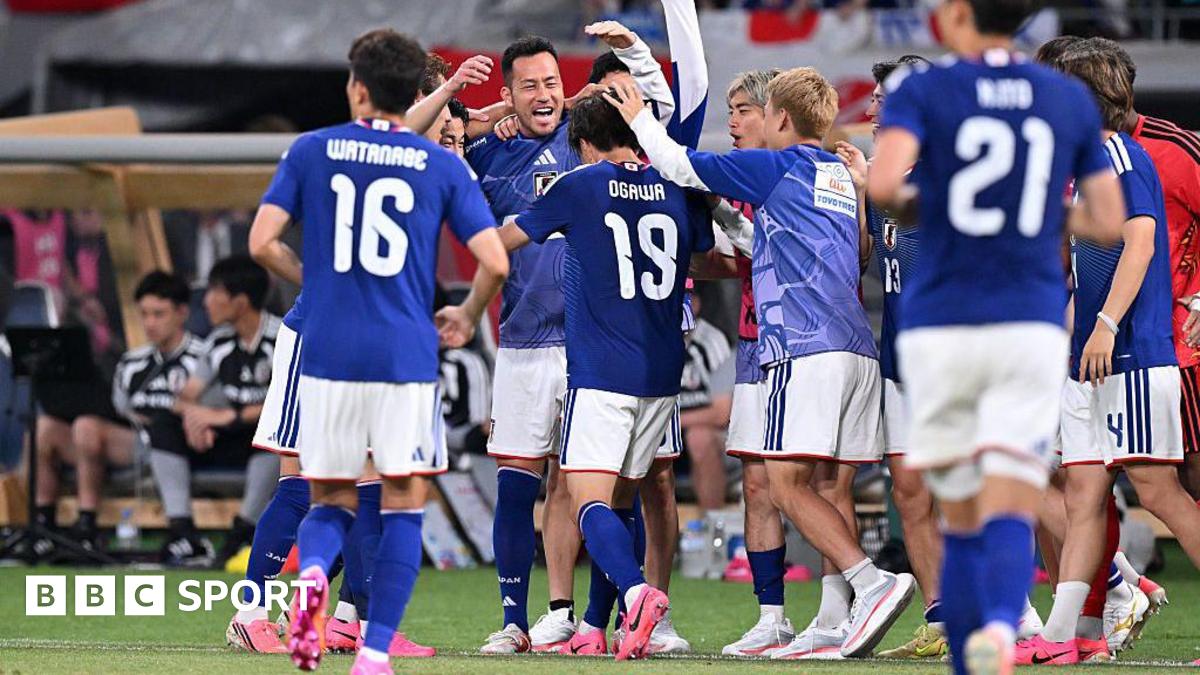
The rule forces teams to play with a man down for a designated period during a substitution sequence. Japan exploited this against Iceland, finding space when their opponents were reduced to ten men. It is a ruthless tactical edge that exposes a lack of composure in defensive transitions.
The price of delay
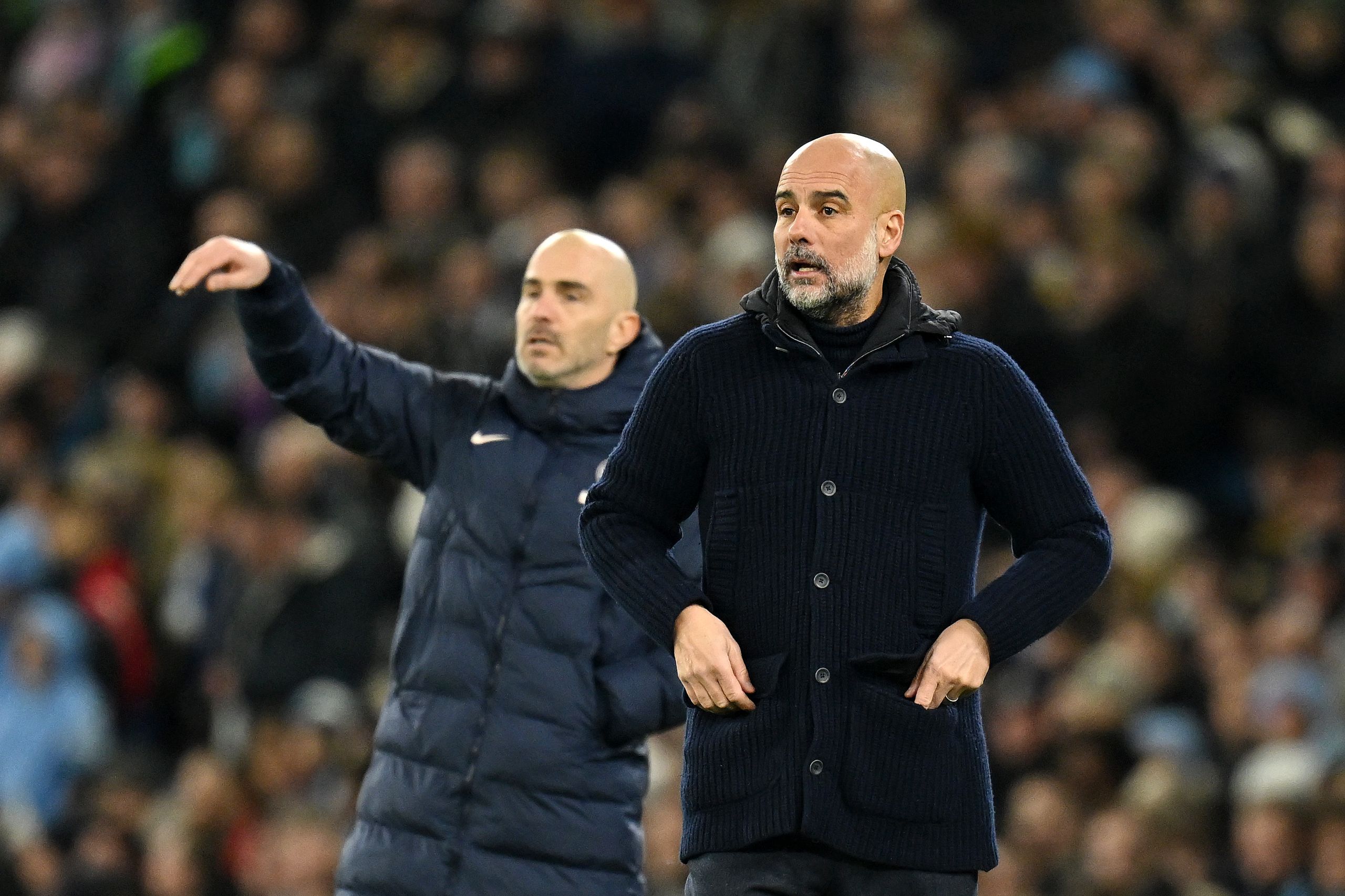
Coaches are notoriously obsessed with control. They want to bark instructions, adjust individual markers, and ensure the incoming sub understands their tactical brief. This new rule demands speed over precision. Any hesitation now costs the team defensive integrity in the defensive third.
We saw Iceland buckle under the pressure. Their narrow defensive block was disrupted because they couldn't rotate their personnel quickly enough to account for the gap created by the player being swapped out. Tactical rigidity under these conditions is a death sentence in modern tournament football.
What to watch for in the group stages
Watch how managers handle bench rotations when facing high-intensity pressing sides. A team that relies on a cohesive midfield pivot will be most vulnerable. If they take too long to replace a booked holding midfielder, the opposition now has a defined window to overload the center of the pitch.
Expect to see more 'quick-fire' substitutions. Managers will favor players who don't need a three-minute coaching seminar to understand their role. This shift toward athletic, plug-and-play versatility will define the squads that survive the knockout stages.
Where the rule gets messy
The downside is the inevitable increase in officiating scrutiny. Fourth officials are now essentially timekeepers for tactical reshuffles. If a player takes twenty extra seconds to remove their shin guards or trot to the sideline, the referee will be forced to penalize the team by delaying the re-entry of the substitute.
Expect some absolute absurdity on the sidelines in these opening fixtures. We are destined for a match where a team is forced to defend a corner with ten men because their substitute stopped to tie his boots. It is a harsh evolution of the game, one that punishes lack of discipline more than lack of talent.
The verdict
I predict this rule will influence at least two results in the opening group round. Coaches aren't prepared for the psychological weight of their team playing down a man during a change. Japan has proven that the advantage is real and ready to be weaponized. 78 percent of teams will be caught off guard by the speed required to navigate a substitution under this mandate. The managers who adapt to the clock will survive; those who stick to their slow-motion, ego-driven tactical adjustments will be heading home early.
Read Next
- England in Florida: The Final Warmup Before The Big Crash
- Thomas Tuchel's England gamble is resting on a massive cooling bet
- Haaland versus the Swedish wall is the World Cup appetizer we need
- Arsenal are playing Russian Roulette with William Saliba's back
- 🏆 World Cup 2026 — Full Coverage Hub
- 🇯🇵 Japan World Cup 2026 — Samurai Blue Hub