A refereeing revolution before kickoff
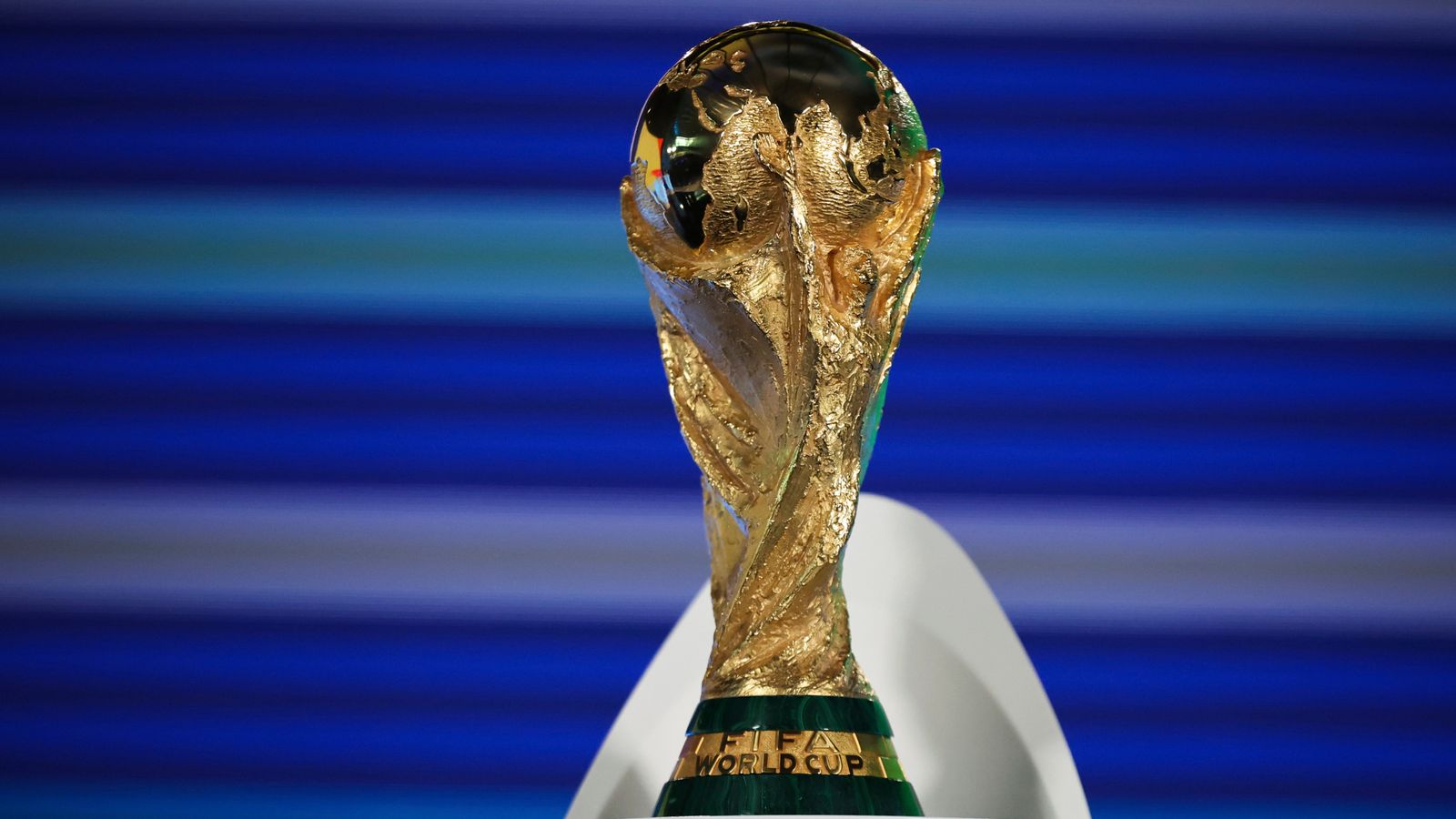
With just eleven days until the 2026 World Cup opening match, FIFA has opted to shake the foundations of officiating. The introduction of revised VAR mandates suggests a move toward faster, more transparent decision-making. By limiting the delay between incidents and reviews, officials hope to avoid the momentum-killing pauses that marred previous international cycles.
The adjustments focus on semi-automated offside technology refined for the 2026 host venues. According to FIFA's official updates, the new protocol forces referees to stick with their on-field call if the review technology cannot reach a clear conclusion within a specific bracket of time. It effectively prioritizes game flow over technical perfection.
The math behind the officiating
Data analysts have tracked the impact of video assistance since its implementation in 2018. If we look at the 2022 tournament, nearly 15% of goals were subject to multi-minute reviews. That statistic is precisely what Gianni Infantino intends to drive downward this summer.
Critics argue that removing the margin for error invites more subjective controversy, not less. By placing the onus back on the field referee for 50/50 calls, FIFA is betting that fan dissatisfaction with a human error is lower than the frustration caused by a robotic, three-minute delay during a high-stakes counterattack.
The pressure on individual officials
Assigning refs to the expanded 48-team bracket creates a massive workload. We are looking at 104 matches across three nations. The physical toll on officials and the logistical challenge of moving between Canada, Mexico, and the United States will test their focus. Any official who loses concentration in the 88th minute will face an immediate, global backlash thanks to the proximity of social media monitoring.
The failure to account for fatigue in last year's qualification stages was a glaring oversight. If FIFA does not rotate their refereeing pools effectively, we will see a drop in officiating quality by the time the knockout stages begin. Expect the first week of group games to serve as a chaotic audition for those hoping to stay in the U.S. until the final on July 19.
Tactical implications for the group stage
Teams that thrive on high-pressing transitions are the clear winners here. If the VAR process is streamlined, defenders cannot rely on the 'safe' fallback of a lengthy video stoppage to recover their defensive shape. Midfielders like Declan Rice or Rodri, who dictate tempo, will need to be hyper-aware of how the game speed evolves under the new mandate.
My prediction for the opening week? Expect at least one high-profile manager to lose their temper after a goal is disallowed under the new, faster protocols. It will be the defining story of the group stage. The referees are under the microscope, and the 2026 World Cup will either establish a new standard for efficiency or descend into a officiating minefield that FIFA cannot escape.
Read Next
- FIFA banning tactical timeouts is the chaos we didn't ask for
- Brazil's final audition against Panama is about rhythm, not the scoreline
- USMNT injury scare forces late adjustment before World Cup kickoff
- Arsenal have the personnel but lack the nerve for the Champions League
- 🏆 World Cup 2026 — Full Coverage Hub