The cost of survival and the medical hurdle ahead
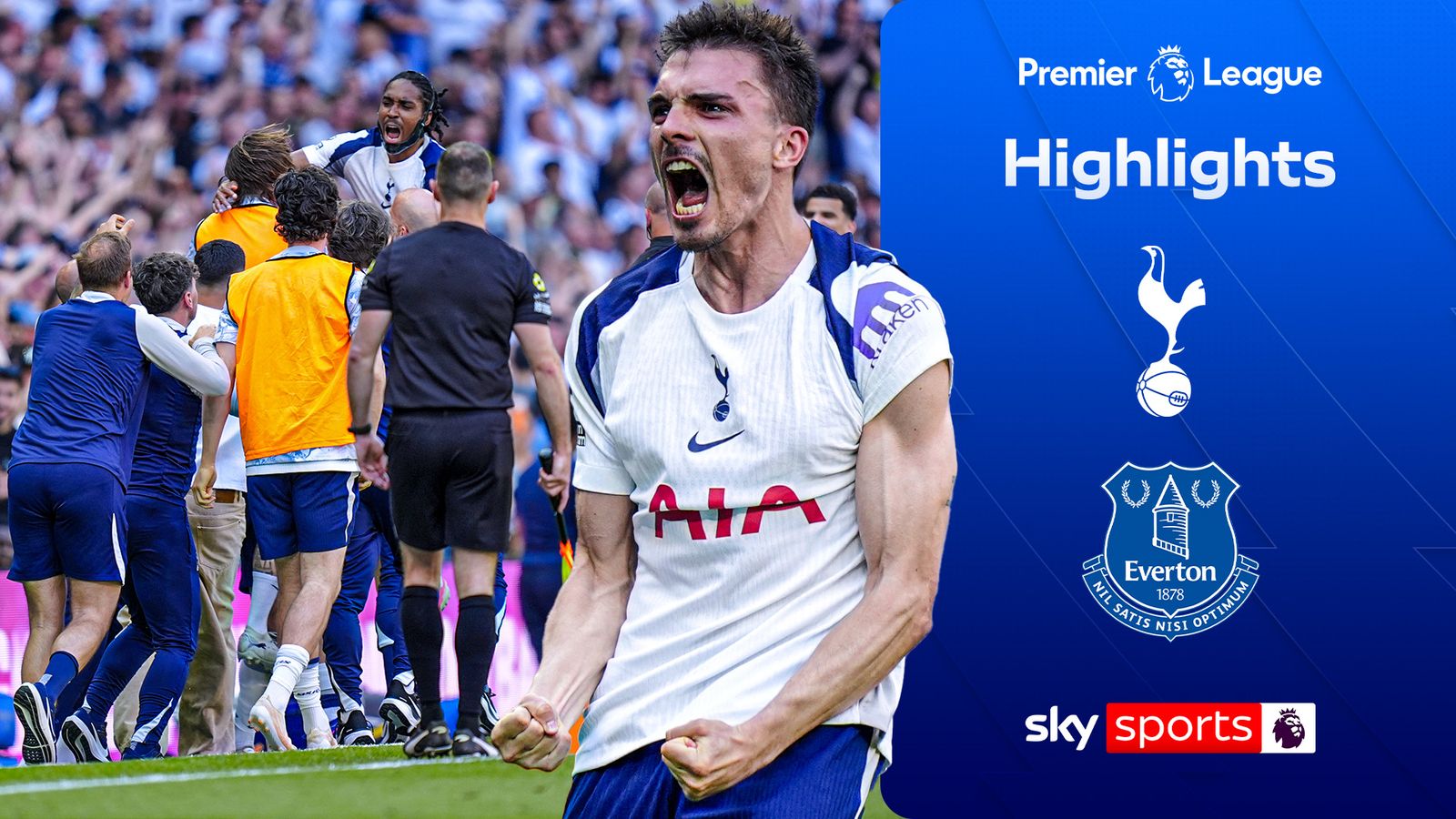
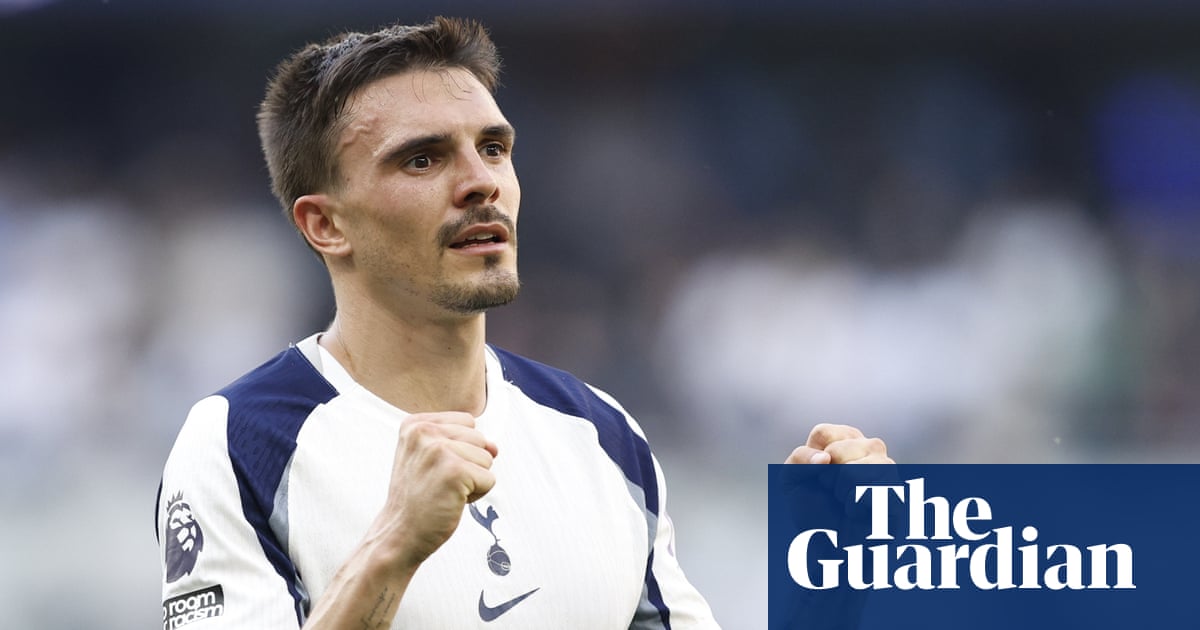
Tottenham Hotspur successfully avoided the drop to the Championship on Sunday, securing safety with a narrow victory over Everton. João Palhinha provided the decisive strike, but the defensive midfielder left the pitch showing evident signs of physical distress. With a permanent deal from Bayern Munich on the table for £26m, the club’s medical staff is now assessing the long-term viability of his remaining workload.
Palhinha has been carrying a minor knock sustained during the final month of the campaign. While he managed to gut through the fixture against the Toffees, reporters on the ground noted his restricted mobility during the post-match celebrations. It is a familiar narrative for the 30-year-old, whose volume-heavy defensive metrics often result in recurring lower-body fatigue.
The strategic math behind the transfer
Daniel Levy and the recruitment team now face a binary choice. Palhinha’s goal-scoring contributions were critical for league survival, yet his injury profile suggests a player who requires significant maintenance. If the club triggers the transfer clause this week as The Guardian reported, they are essentially betting on his durability during a high-intensity preseason.
Historically, aggressive holding midfielders like Palhinha often struggle once they hit their thirties. His output in tackles and interceptions remains elite, but the recovery windows between matches are lengthening. Spurs lack a like-for-like replacement in the current squad configuration, meaning any lingering injury over the summer would force an expensive pivot into the open market before the window shuts.
Who doesn’t want to play for Tottenham and stay here?
The player himself seems committed to a permanent move, citing his positive integration with the supporters. However, sporting sentiment rarely holds up against a medical scan. If the staff determines his current discomfort is indicative of cumulative soft-tissue wear, renegotiating the terms or walking away would be the only logical path forward for a club that can no longer afford to carry dead weight on the payroll.
Impact on preseason preparations
With the 2026 FIFA World Cup looming in early June, the priority for the medical department is damage control. Palhinha needs a period of complete rest to address the hip and groin tightness that clouded his final week at the club. Failing to execute a disciplined recovery plan now risks a re-aggravation that could keep him sidelined deep into the autumn schedule.
This scenario mirrors the club's issues during the 2024 season, where poor injury management led to a mid-table collapse. Spurs fans are rightly concerned that history might repeat itself if the club prioritizes contract longevity over physiological readiness. The scouting department has been linked with younger, more robust alternatives, but none possess the immediate tactical understanding Palhinha demonstrated against Everton.
For now, the player waits for the green light from the doctors. The board must reconcile his desire to stay with the reality of his injury record. A £26m investment in a player who struggles to finish the season at full capacity is a precarious move for a team attempting to rebuild its reputation. The cooling of his injury will dictate the speed of these negotiations over the next 48 hours.