The drop in creative output
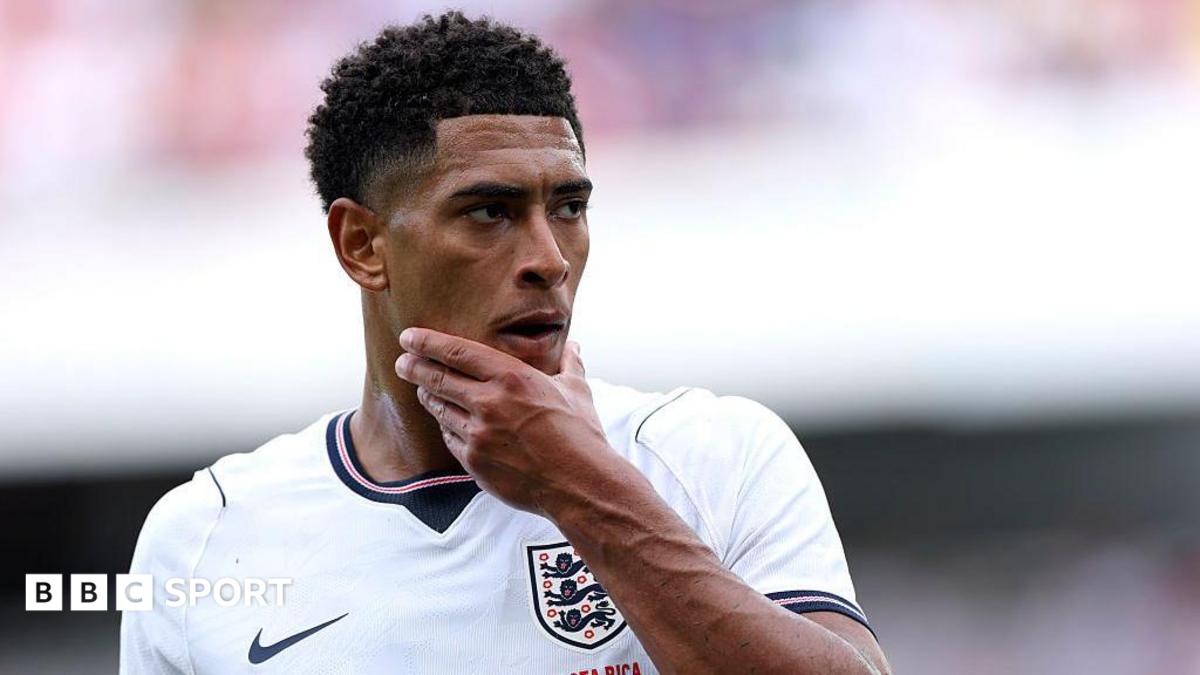
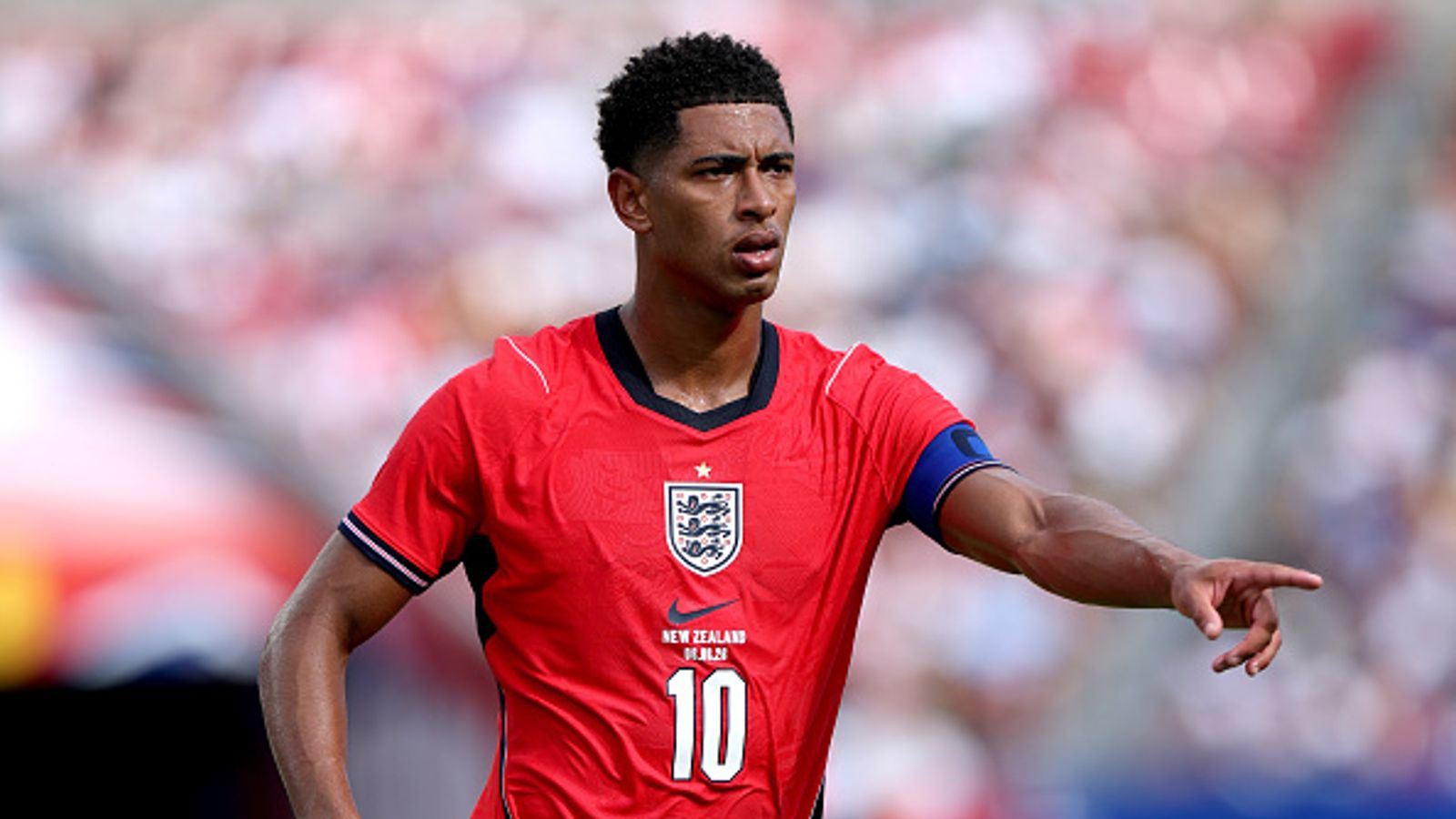
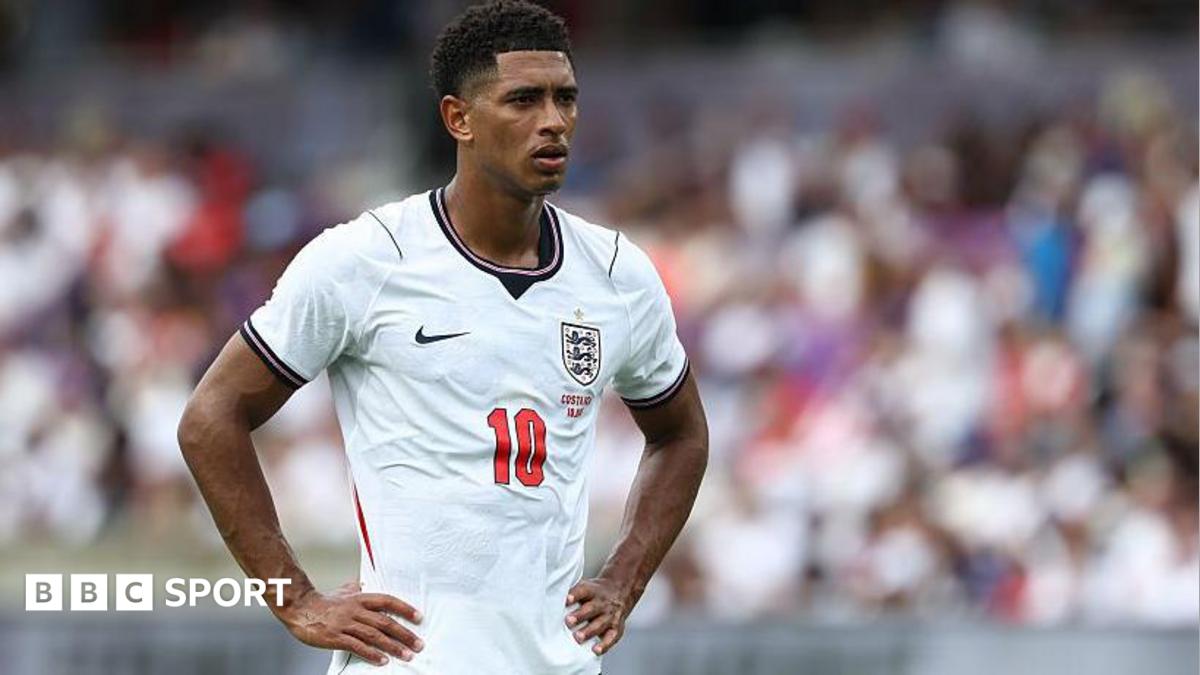
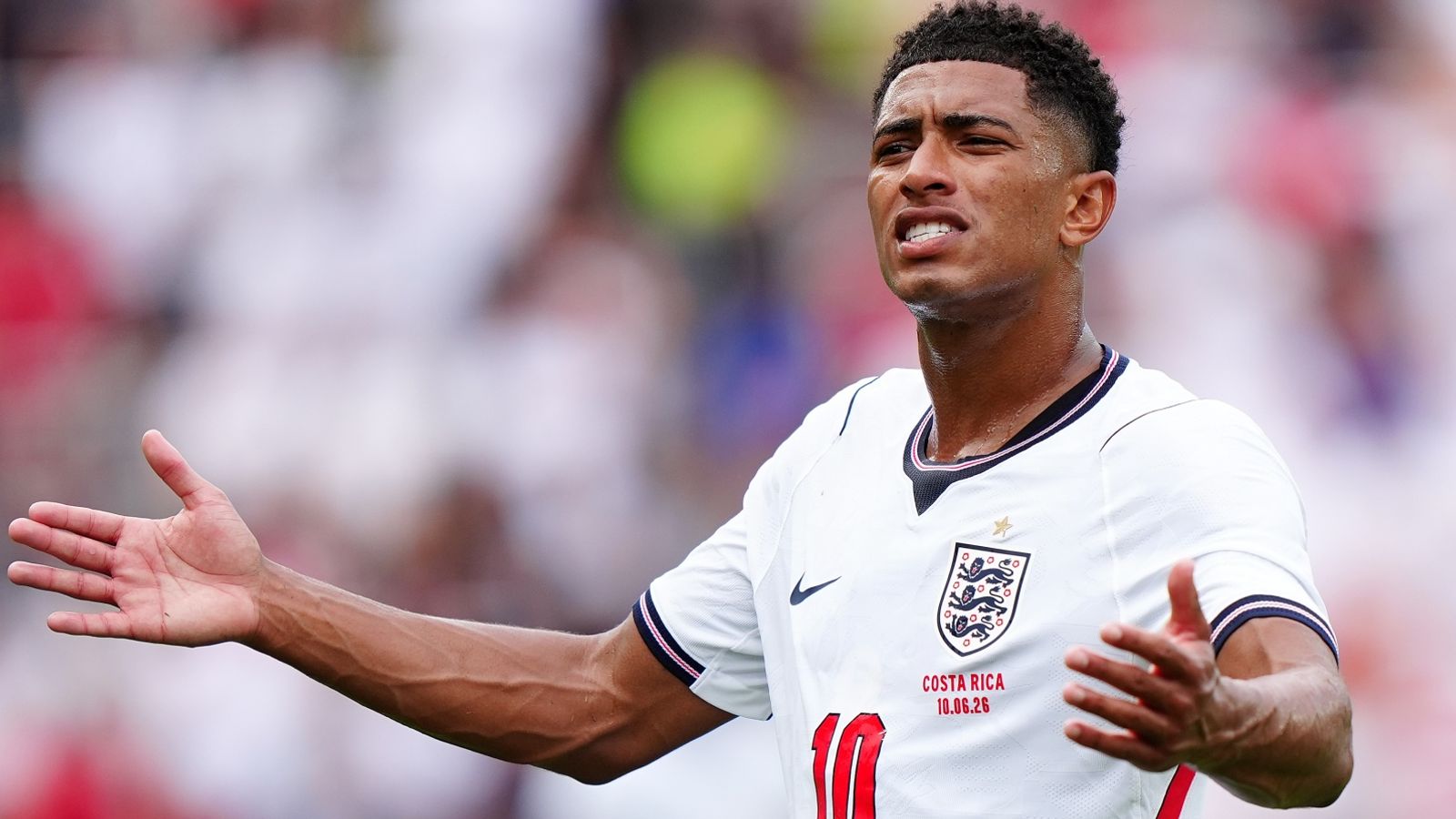
England enters the 2026 World Cup with a glaring inconsistency in the final third. Jude Bellingham, once the undisputed engine of the side, has seen his shot-creation numbers dip significantly over the last six competitive appearances.
During the qualifying cycle, Bellingham averaged 2.4 key passes per game. Since the turn of the calendar year, that figure has plummeted to 1.1 per match. The data suggests an over-reliance on individual brilliance rather than structured build-up play as he drifts closer to the opposition box.
The Anthony Gordon counter-argument
While Bellingham struggles to maintain his tempo, Anthony Gordon is providing the efficiency Gareth Southgate historically favors. Gordon recorded a pass completion rate of 88.4% in his last outing, operating in narrow corridors that forced defensive rotations.
This is a tactical shift from the 2024 cycles, where wide play was static. Gordon acts as an inverted threat, pulling full-backs out of position and opening space for central runners. According to Sky Sports, the disparity in press intensity between the two is becoming impossible to ignore.
Defining the tactical fatigue
Bellingham’s heat maps reveal a player exhausted by the physical demands of club football. His touches in the final third have decreased by 14% compared to the same window last year. He is essentially playing as a box-to-box midfielder who lacks the legs to track back in the 82nd minute scenarios that defined his breakthrough seasons.
The counterintuitive element here is that England’s xG actually increases when Bellingham occupies a deeper role. When forced into a pivot, his long-range distribution remains elite, boasting a 92% accuracy rate on diagonal switches. However, his movement in the shadow striker role is stagnant, often clogging lanes for more clinical finishers.
Selection pressure and the World Cup opener
Southgate faces a dilemma that mirrors his 2022 team selection difficulties. Sticking with form over reputation has failed him in the past, but the statistical gap between Gordon’s volatility and Bellingham’s malaise is now 3.2 expected goals difference over their last 400 minutes of play.
If the manager persists with the current setup, he risks stifling the progress of players who offer better tactical spacing. England lacks the movement to compensate for a stationary number ten. Bellingham must rediscover the verticality that made him a global standout before the group stage concludes, or he risks a rotation of his role on the biggest stage of all.