
Jude Bellingham is asking for too much from England fans
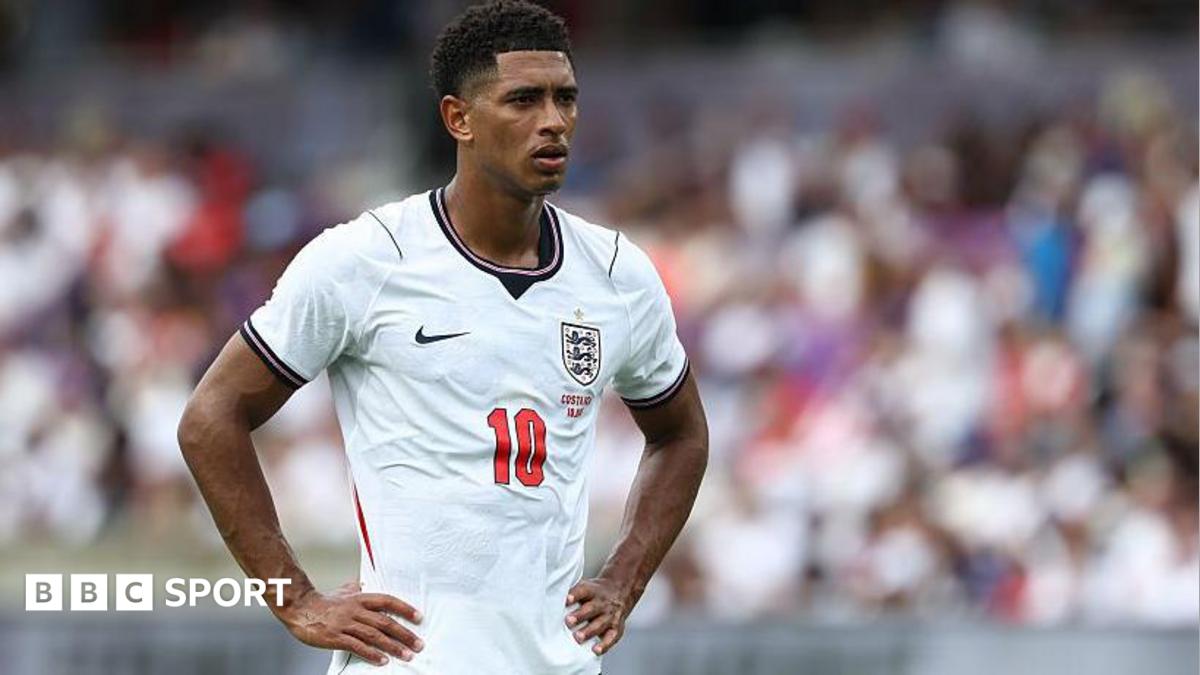
The psychological weight of the Three Lions jersey
Jude Bellingham recently made a curious admission regarding his international requirements. He suggested that for England to succeed this summer, the players need to feel a sense of love radiating from the supporters. It is a sentiment that sounds pleasant in a post-match interview, but it fundamentally misreads the transactional nature of high-stakes international football.
We are currently sitting on the precipice of a World Cup cycle where performance-based accountability is at an all-time high. Bellingham is a generational talent, but his assertion that emotional validation from the terraces is a prerequisite for victory ignores the pressures inherited by every player wearing the badge. The expectation to perform does not vanish simply because the stadium atmosphere feels austere.
The danger of equating reception with performance
If the efficacy of the England midfield depends on the reception they receive from the traveling support, the team is already in trouble. Top-tier football is defined by narrow margins and tactical rigidity, not by the perceived affection of the demographic in the stands. The 90 minutes on the pitch are a test of tactical discipline that rewards movement and defensive transitions, not emotional feedback loops.
Consider the logistical reality of how tournaments are won. Success is predicated on defensive shape, high-pressing triggers, and the ability to convert xG into tangible scoreboard leads. When England hits the pitch, the scouting reports from opposition managers focus on shutting down transition channels and isolating ball-carriers like Bellingham. Those tactical adjustments do not care about whether the crowd is singing the players' names or booing a lateral pass at the 40th minute.
Reframing the England mandate
Bellingham’s comments suggest that he views the relationship with the fans as a morale-boosting tool rather than a volatile variable. This is a gamble. Fans in tournament football are reactionary; they cheer for progress and boo for stagnation. If the team starts slowly in the group stages, the love Bellingham craves will evaporate within minutes of a poor defensive rotation.
The team should be focusing on refining the internal chemistry of the XI rather than external validation. We have seen Bellingham express this vulnerability publicly, yet the reality remains that international pedigree is earned through results, not sentiment. Real leadership in the dressing room involves insulating the younger members of the squad from the toxicity of public opinion, not asking the public to dial it down.
If England enters the summer tournament requiring an environment of unconditional love to function, they are setting themselves up for a mental collapse the first time a VAR decision goes against them. Elite athletes must be able to thrive in environments where they are hated, criticized, or ignored. To suggest that a team of this quality needs an emotional safety net to produce results is a concerning admission of fragility.
The missed opportunity for cold detachment
The best sides at this level play with a icy, clinical distance from the noise of the media and the crowd. Think back to the patterns of the most balanced setups in recent history; they operate like machines that ignore the crowd's emotional swing. When a player talks about needing love, it implies that when the boos inevitably come, the performance trajectory will crater.
True tactical maturity involves separating the noise from the pitch map. Every pass completion percentage lost due to anxiety in the 75th minute because of a restless crowd is proof that a player is distracted. If Bellingham can channel his drive toward dominating the midfield space and dictating tempo, the affection of the fans will follow as a byproduct of success. It should never be the starting point.
The ambition for this summer is clear. England lacks a major trophy despite a roster filled with Champions League-level contributors. Asking for the fans to provide an emotional cushion during the tournament is a distraction from the fundamental work of tactical preparation. The focus must remain on the pitch, the spaces, and the tactical discipline that decides games at the 88th minute.
Read Next
- Tuchel has the keys to the kingdom, now he just needs to pick the right locks
- Top 10: England's World Cup Squad Power Rankings
- South Korea’s comeback win over Czech Republic has everyone losing their minds
- South Korea just put the world on notice and the Czechs are reeling
- 🏴 England World Cup 2026 — Three Lions Hub
Fever Pitch: A Fan's Life by Nick Hornby
The cult-classic memoir every true football fan needs on their shelf.
Frequently Asked Questions
What did Jude Bellingham request from England supporters?
Why is relying on fan sentiment considered a strategic error?
How are international tournaments actually won?
How should England team leaders manage public opinion?
What happens if England relies on external validation to perform?
More Coverage
Top 10: England
4 hours ago
Amazon wants you to listen to Southgate while the highlights stay dead
4 hours ago
World Cup broadcasting has reached a crossroads
4 hours ago
Rooney sees the cracks forming in Gareth Southgate's England camp
5 hours ago
Thomas Tuchel's England selection prioritizes rigidity over creative flair
8 hours ago
Bellingham is ready but England's backline remains a massive gamble
9 hours agoMore Analysis

Jude Bellingham is playing a high-stakes game of confidence
5 days ago
Bellingham's Rest Signals England's New World Cup Strategy
2 months, 1 week ago
England are sleepwalking into the World Cup opener
2 days, 4 hours ago
Tuchel's ultimatum to Bellingham is the ultimate World Cup gamble
3 days, 4 hours ago
England’s World Cup hype is already outpacing their midfield reality
2 months ago