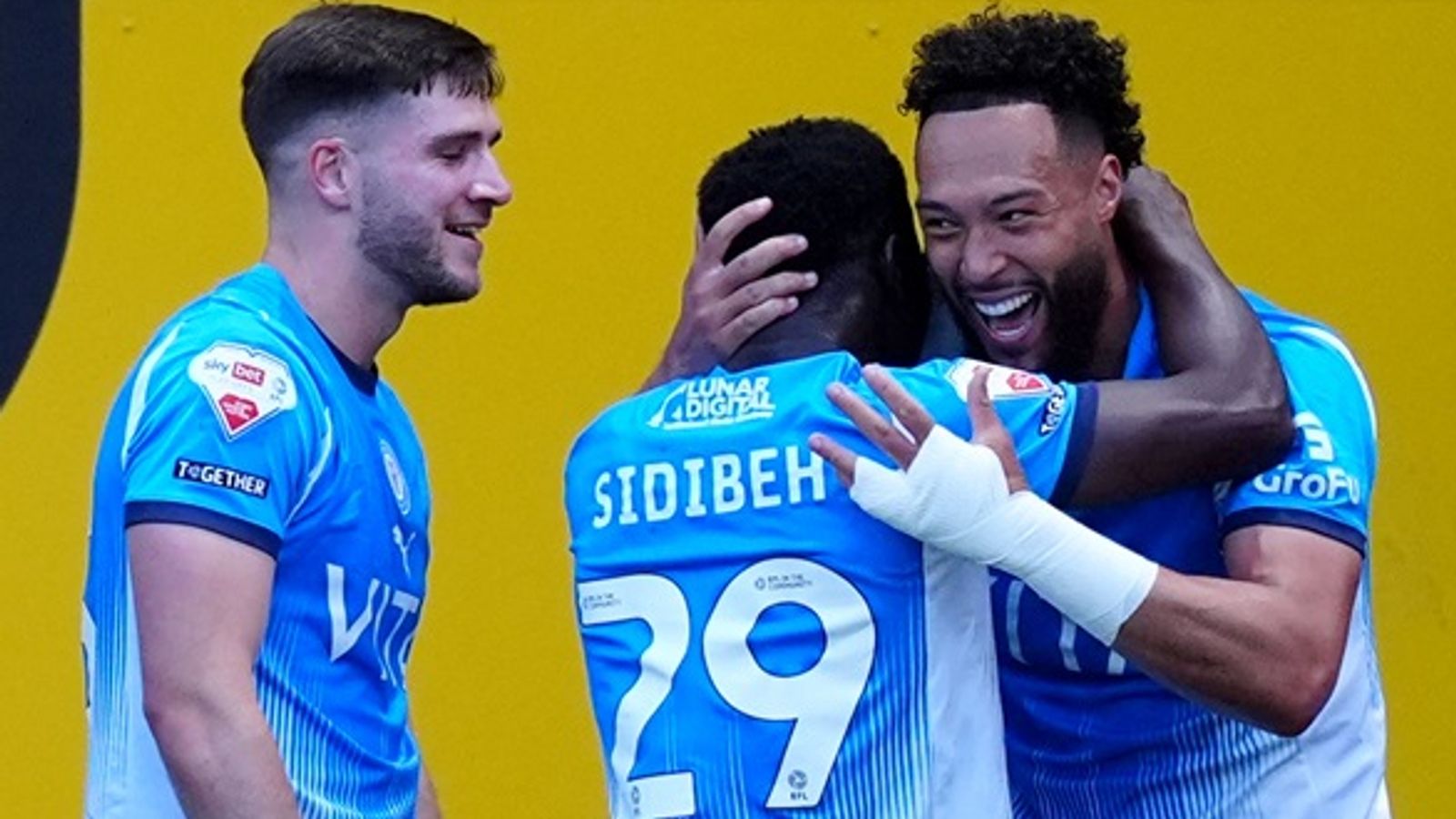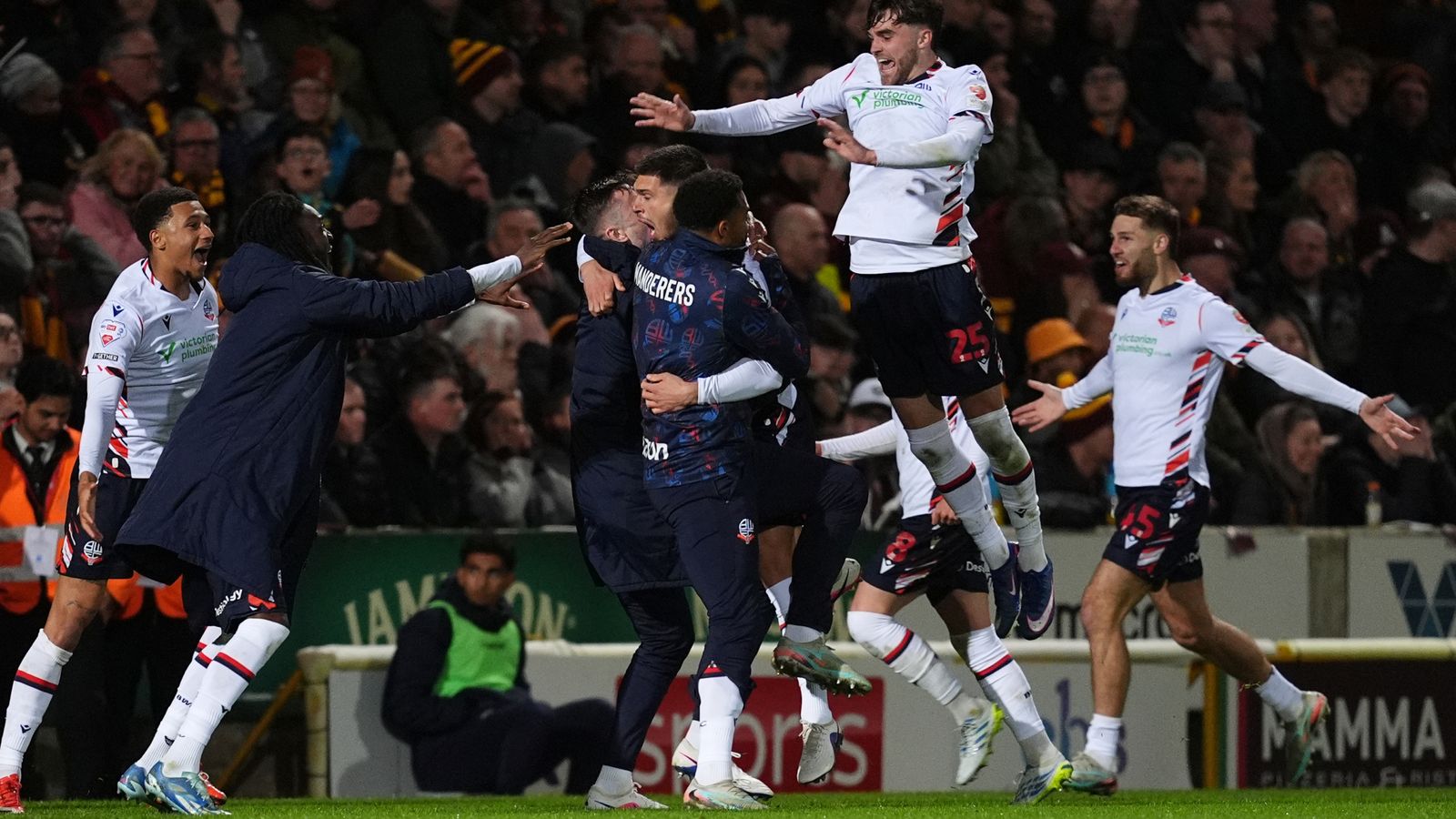
The long goodbye at Edgeley Park
Stop me if you’ve heard this one before: a guy builds a program from the mud, drags them up the ladder, and then just bounces. Dave Challinor left Stockport County by mutual consent yesterday, effectively ending a five-year heater that saw them go from National League battlers to League One regulars. It is the kind of departure that leaves the local fanbase staring at their pints wondering if the good times just hiked and left with the tab.
The math behind the madness
Challinor didn't just show up to kick cones and collect a check. He inherited a club that had spent a decade spinning its wheels in the lower tiers. Looking at the BBC Sports report, the timing is what makes this sting. You don't just dump a manager who oversaw a 5-year tenure without some serious boardroom friction behind closed doors.
We have seen this cycle repeat across the EFL. A manager gets the club established in a new division, the ambition gap between the gaffer and the ownership widens, and suddenly it's time for a fresh voice. It's not a mystery, but it is a massive gamble for a club that relies on stability to keep the turnstiles moving.
What the fallout actually looks like
The real issue here isn't just the tactical void left by Challinor. It is the identity crisis that follows a long-serving boss out the door. Stockport fans have spent half a decade defining their team by the style set under Dave. Now, they are about to become a case study in mid-tier transition.
Whoever takes the headset next has to inherit the expectations of a club that isn't satisfied with merely treading water in League One. That is a heavy ask. If they miss the mark, the board is going to look like they just torched a perfectly functional project for the sake of a spreadsheet.
I will give the board this: they kept the news quiet until it was ink-dry. No leaks, no press tour, just a clean break. It is professional, sure, but it feels hollow. You lose a manager who understood the specific rhythm of the club, and the replacement usually spends six months trying to change how the team signals for possession in the final third.
Where does the club go from here?
Stability is a myth in football. It is just a series of lucky breaks and good hires that eventually run out of steam. For Stockport, the gamble is whether they can find a successor who doesn't treat the squad like a laboratory experiment. If the incoming manager tries to force a high-press system on a personnel group built for a low-block counter, this will get ugly by mid-September.
The club has the foundation. They have the stadium, the local buzz, and the history. But losing the architect of the recent surge—the man who kept them pointed upward—is a massive blow. Let's see if the front office can actually identify talent in the dugout, or if they are just throwing darts at a list of out-of-work coaches.