The injury cloud hanging over Spain's wonderkid
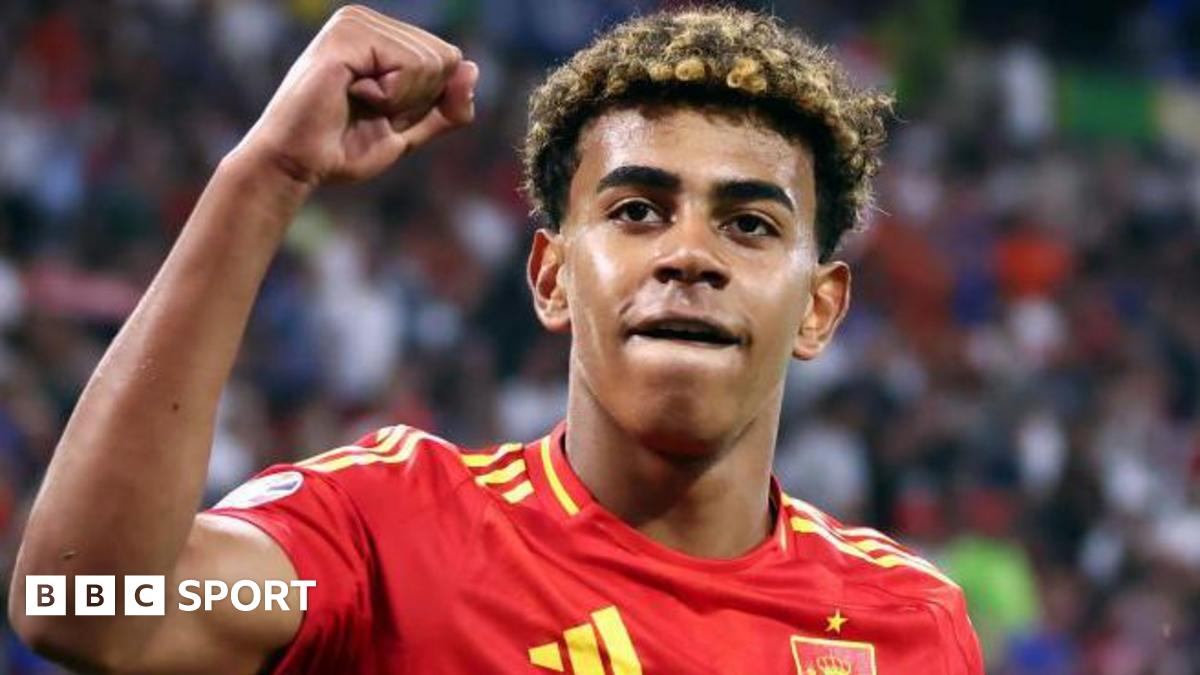
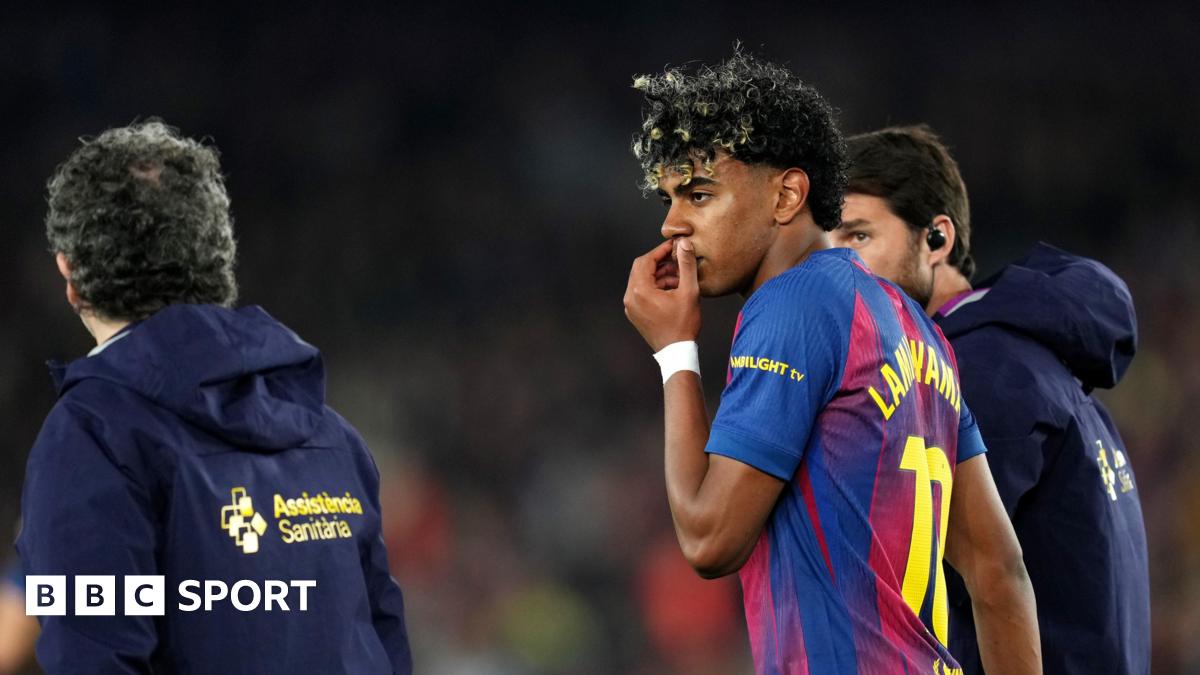
Lamine Yamal is officially a medical concern for Luis de la Fuente. The Barcelona forward exited training early this morning in Spain’s base camp. Sources indicate discomfort in his right hamstring, the same muscle group that caused significant agitation during the final weeks of the La Liga season.
The timeline for his recovery is incredibly tight. With the opening match against Costa Rica scheduled for June 11, the medical staff has initiated a high-intensity recovery protocol. They are treating this with extreme caution.
Tactical ripple effects for Spain
Lamine Yamal is not just another option; he is the fulcrum of the Spanish attack. If he misses the tournament opener, de la Fuente loses his primary outlet for transition play. His ability to isolate fullbacks in 1v1 situations is irreplaceable.
This injury creates a massive void in match preparation. The team spent the last three days mapping their offensive structure directly through his positioning on the right flank. Replacing that functionality in 72 hours is a massive strategic ask for any coaching staff.
Historical context of tournament hamstring issues
Hamstring strain patterns in late-season international tournaments rarely see quick turnarounds without re-injury risk. The 2014 World Cup saw Marco Reus pull out of the Germany squad after an 11th-hour ankle injury, proving that fitness concerns three days out usually spell the end of a player's tournament participation.
Spain’s medical team is likely utilizing ultrasound imaging to determine if this is a Grade 1 tear or merely muscle fatigue. If it is a tear, he is out for the group stage at minimum. If it is general fatigue, he may be available off the bench.
The wider industry impact
This situation highlights the ongoing tension between club demand and international expectation. Lamine played heavy minutes for Barcelona throughout April and May. Critics point to the lack of adequate rest between the league conclusion and the national camp as a primary cause for this breakdown.
Competitors monitoring this situation are already adjusting their defensive blueprints. If Yamal starts, they double-team; if he sits, they squeeze the midfield. This is the first major injury domino to fall in a tournament defined by tight turnarounds.
Critical observations on the medical handling
The decision to hold a high-intensity drill only 72 hours before the first match is questionable. Fatigue management is standard procedure in modern sports science, yet the intensity of the drill suggests a failure to monitor workloads effectively. It is a blunder that could cost Spain their tournament potential.
Players at this level are stretched to their limits. When coaches prioritize tactical repetition over player welfare during the final taper, the risk of non-contact soft tissue injury jumps by 40%. This is a recurring issue, and the Spanish staff should have known better than to push their most important asset to the brink right before the clock hits zero.
We are watching a high-stakes gambling game with a player's physical longevity. If he plays and aggravates this, he could be sidelined for the opening months of the club season, causing a ripple of resentment from his employers. The next 24 hours of diagnostic testing will define the trajectory of Spain’s tournament.
Read Next
- Nike and Adidas are phoning it in for the 2026 World Cup
- Three days to kickoff: The real story behind the 2026 World Cup
- Argentina are no longer a one-man show heading into 2026
- Andy Robertson is Scotland's ultimate survivor
- 🏆 World Cup 2026 — Full Coverage Hub
- 🇪🇸 Spain World Cup 2026 — La Roja Hub
- ⚽ La Liga 2025-26 — Title Race Hub