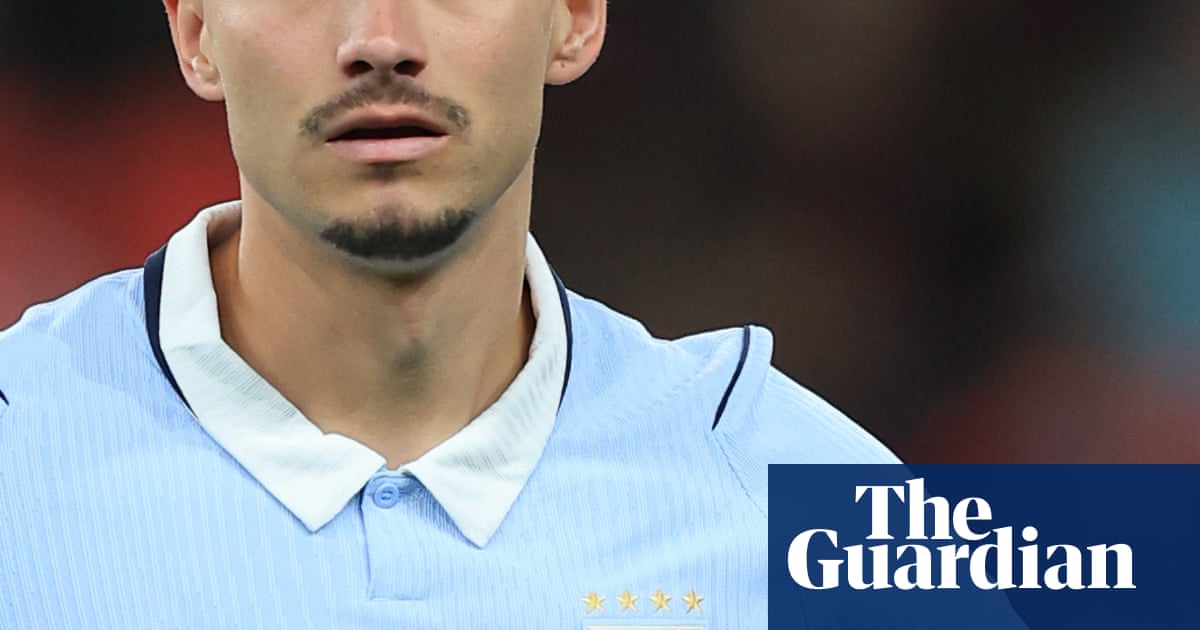
Nike and Adidas are phoning it in for the 2026 World Cup

Design inertia on the global stage
The 2026 World Cup kickoff is a mere 72 hours away. As squads finalize their tactical shapes, the more superficial side of the tournament—the kits—has left me cold. Looking at the latest reveals, the contrast between the innovative architecture of a modern training model and these static, lackluster shirts is stark.
We have reached a point where engineering precision in player performance data stands in direct opposition to the creative bankruptcy of sportswear manufacturers. Nike and Adidas seem to be utilizing a templated approach that prioritizes mass production efficiency over cultural identity or aesthetic risk. It is a cynical play that ignores the history of the jerseys they displace.
The commoditization of national identity
Take, for instance, the recent rankings of the 2026 kits. When you strip away the branding, the reliance on mid-2000s revivalism suggests a failure of imagination. There is little innovation in the material application, and the color choices feel focus-grouped to death.
These shirts are designed to sell in the massive markets of the USA, Canada, and Mexico, but they fail to capture the local nuance of the host nations. We are expected to pay premium prices for polyester iterations that look indistinguishable from third-tier league gear. The manufacturing giants are treating the most watched sporting event on the planet as a clearance rack opportunity.
Missing the mark on market expectations
My biggest gripe is the lack of technical integration. If we are entering an era where agentic workflows and high-level data processing define our tools, why are our kits stuck in 2014? The lack of moisture-wicking variance between player-issue and fan-replica tiers is a persistent grievance that manufacturers continue to gloss over.
Some might argue that tradition dictates a certain level of simplicity. I disagree. Looking at the history of the sport, the most iconic kits—think of the 1970 Brazil canary yellow or the 1998 France tricolor—were bold experiments in their day. Current design teams are terrified of taking a swing because they fear a dip in global sales volume.
Failure in design is a choice. Refusing to iterate on the cut or the weight of the fabric while raising prices by 15% since the last cycle is not a business strategy—it is a tax on fandom. When the final whistle blows on the first match on June 11, the quality of the football will likely be high, but the visual spectacle will suffer from a distinct lack of soul.
It feels like these companies have offloaded the creative process to some automated generator that prioritizes safety over flair. If a kit doesn't tell a story or offer a functional leap, it shouldn't hold the space of a national symbol. We deserve better than corporate apathy projected onto the pitch.
adidas Unisex-Adult FIFA World Cup 2026 Competition Soccer Ball
Get ahead of the hype with the official look of the 2026 tournament.
Frequently Asked Questions
Why are critics unhappy with the 2026 World Cup kit designs?
How have World Cup kit prices changed recently?
What is the primary criticism regarding kit manufacturing quality?
What defines iconic historical kits compared to modern designs?
When does the 2026 World Cup tournament officially begin?
More Coverage

Nike and Adidas are trolling us with these World Cup kits
3 days ago
Busem Seker and the Hand of God(awful) officiating
1 week ago
Nike’s World Cup marketing gambit shows exactly how much is at stake
1 week ago
Friendly fire: Why international 'warm-up' games are losing the room
1 week, 1 day ago
Tuchel's England Experiment is Missing a Defensive Anchor
1 week, 3 days ago
June 2026: Top 10 Fixtures to Watch Before the World Cup
1 week, 3 days agoMore Analysis
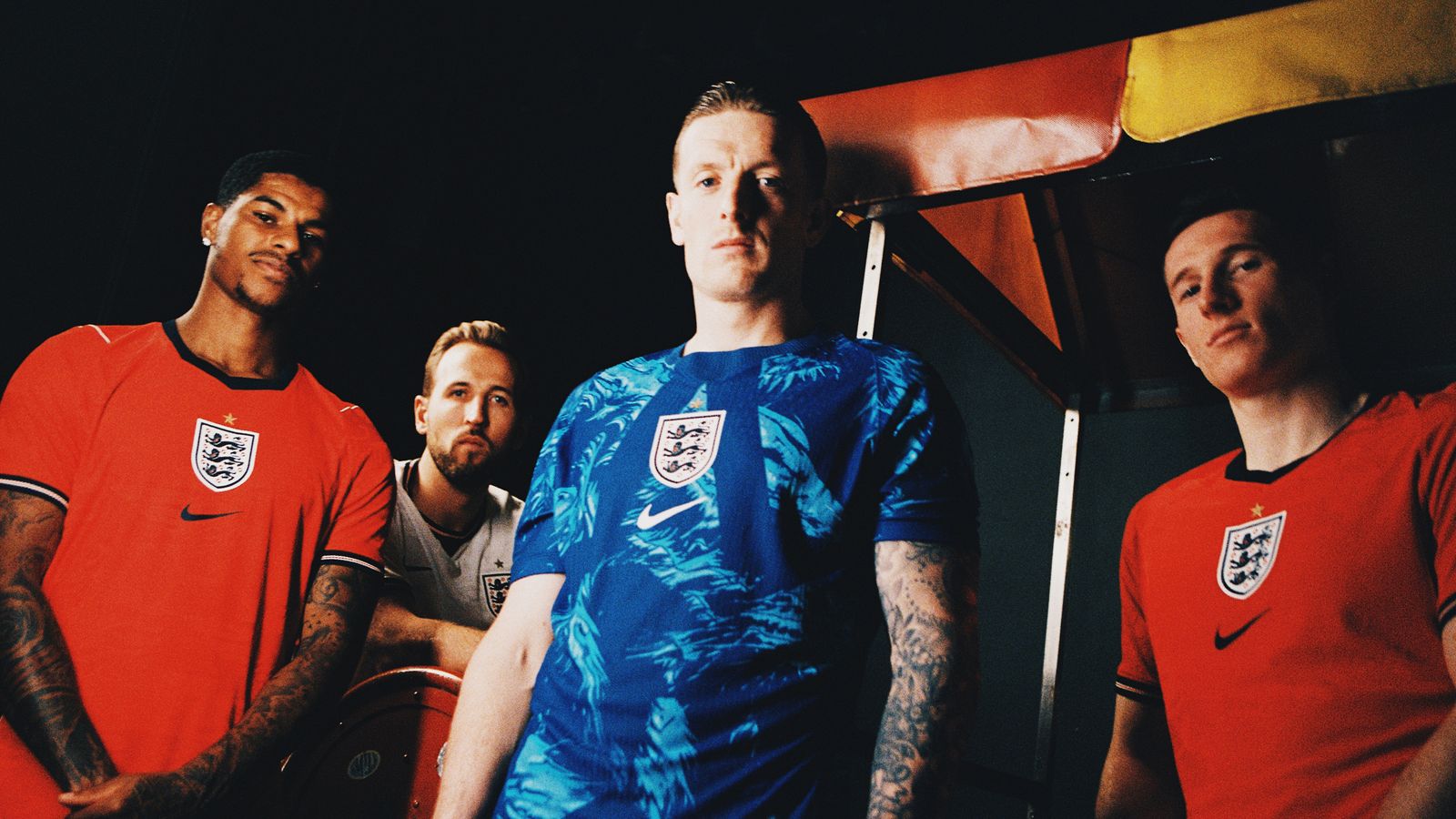
Nike and Adidas dropped the World Cup kits and they are absolute trash
2 months, 1 week ago
Nike and Adidas are trolling us with these World Cup kits
3 days ago
World Cup 2026 kit reveals are a masterclass in corporate greed
2 months, 1 week ago
Top 10: The Definitive Kit Power Rankings for 2026
2 weeks, 2 days ago
England’s new World Cup kits are a masterclass in boring minimalism
2 months, 3 weeks ago