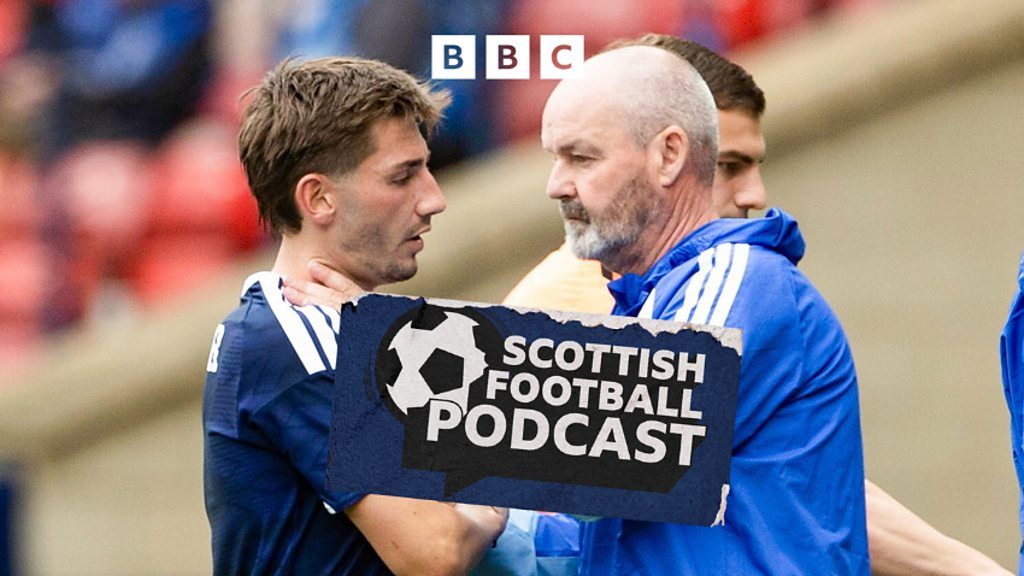
Shankland forced off early in World Cup warm-up
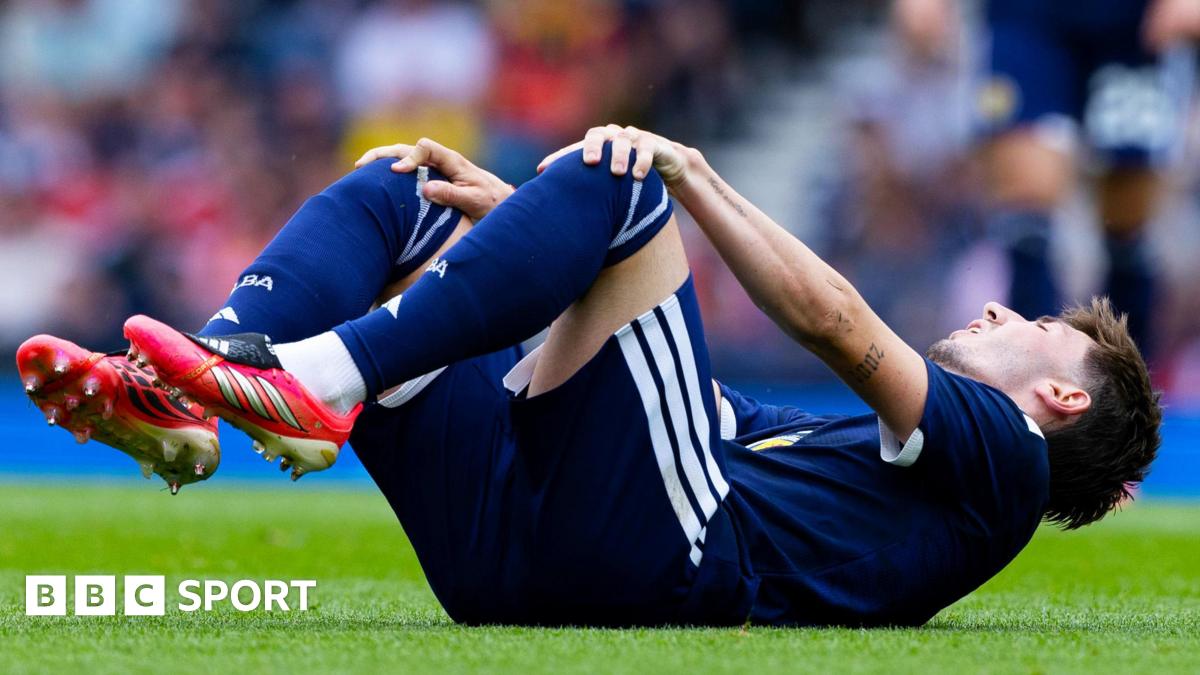
Scotland striker Lawrence Shankland was removed just 19 minutes into the friendly match against Bolivia. The forward landed awkwardly following a standard aerial challenge near the center circle, appearing to clutch his right ankle immediately upon impact. Medical staff entered the pitch at 18:22 local time, and within 60 seconds, Shankland was replaced by Tommy Conway.
Initial assessment and medical outlook
Preliminary reports from the bench indicate a non-contact strain, though the landing angle suggests potential damage to the lateral ligaments. Team doctors are currently performing manual stability tests in the tunnel. While there is no confirmation of a fracture, the decision to withdraw him before the interval signals caution with the tournament opener on June 11 looms large.
The timeline for recovery
If the injury is diagnosed as a Grade 1 ankle sprain, standard return-to-play protocols generally hover around 7 to 10 days. This timeline places his availability for the opening match of the 2026 FIFA World Cup in absolute jeopardy. Athletic medical staffs typically prioritize structural integrity over risking long-term aggravation in a group stage environment.
Scotland’s coaching staff cannot afford a sluggish start to the tournament. With only five days until the opening whistle, the recovery clock is ticking. If the scan results show significant swelling or fluid buildup, the medical team will likely rule him out as a precautionary measure to prevent further degradation of the joint.
Impact on Steve Clarke’s tactical setup
Lawrence Shankland serves as the primary target man when Scotland plays a direct vertical game. His ability to hold off defenders allows the midfield to advance into the final third. Without his presence, the team loses its most consistent outlet for aerial duels and link-up play in the penalty box. His absence forces a shift in identity, likely requiring a more possession-based approach that may not suit the depth of the current roster.
Historical context and precedents
Mid-tournament or pre-tournament ankle injuries have become a recurring issue for Scottish squads. Injuries sustained in the final week of training camp often result in late squad withdrawals, as seen in previous qualification cycles where players attempted to rush their returns. The pattern shows that attempting to play through ligament issues in the first game often leads to re-injury by the second half.
Competitors inside the group are surely monitoring these developments. A thinner attacking bench gives defensive units a clearer instruction set as they prepare to neutralize Scotland’s movement. Defensive structures tend to collapse when the primary focal point is removed, and the remaining roster lacks the clinical finishing record Shankland carries in international output.
The strategic gamble
Steve Clarke faces a difficult decision. Should he risk a player who is 70 percent fit for the first match, knowing they might miss the remainder of the group stage? Or does he look for a reliable substitute immediately to stabilize the rotation? The risk of an early group stage exit is real if the coaching staff makes a reactionary move based on lingering doubts about physical fitness.
Fans following the proceedings on Sky Sports noticed the visible frustration on Shankland’s face as he exited. This reaction often hints at the severity being greater than a light knock. For a team that relies heavily on a specific set of disciplined roles, losing a starting forward at the 19th minute mark of their final preparation match is an objective setback.
This situation mirrors the 2024 experience for several European teams where minor training camp injuries turned into missing high-impact tournament games. Managing internal expectations is now the priority. The medical scan results, anticipated within the next 12 hours, will either salvage or sink the team's depth chart ahead of the opening ceremony.
Read Next
- Scotland actually scored, so check your windows for flying pigs
- Steve Clarke's final dry run against Bolivia is about more than just a win
- Scotland need a clinical edge before the World Cup opener
- Scotland’s hype man is the chaos agent we didn't know we needed
- 🏴 Scotland World Cup 2026 — Tartan Army Hub
- 🇧🇷 WC 2026 Group C — Brazil, Morocco, Scotland, Haiti
- ⚽ Scottish Premiership 2025-26 — Celtic vs Rangers Hub